Writing in the Moment. Being in the Moment.
Time is a mystery, especially in a screenplay. As writers, we can leap through decades from one scene to the next. Or we can stretch a…
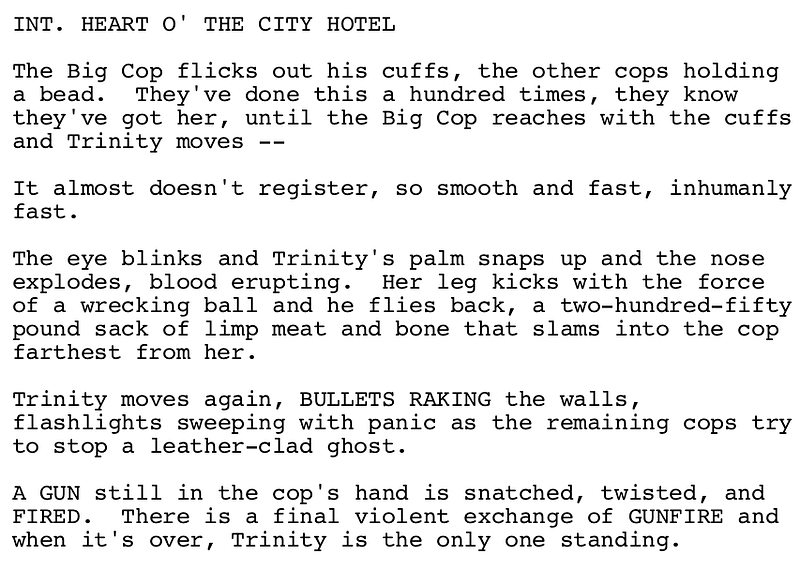
Time is a mystery, especially in a screenplay. As writers, we can leap through decades from one scene to the next. Or we can stretch a moment into minutes of screen time, page after page unfolding the action in slow-motion, the same event visualized from multiple points of view. Indeed, each scene has its own rhythm. They can flash by like this one from The Matrix:

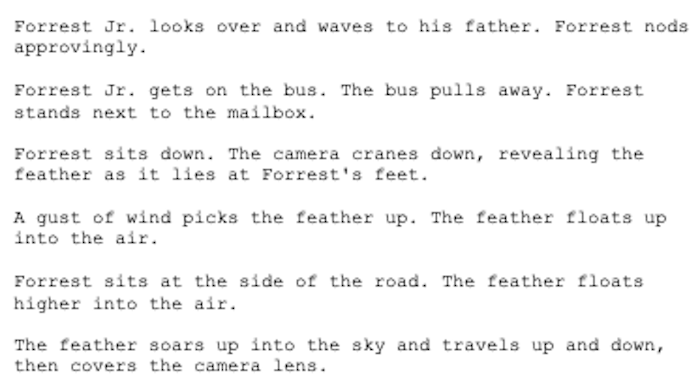
They can also tick by quietly like the final moments in Forrest Gump:

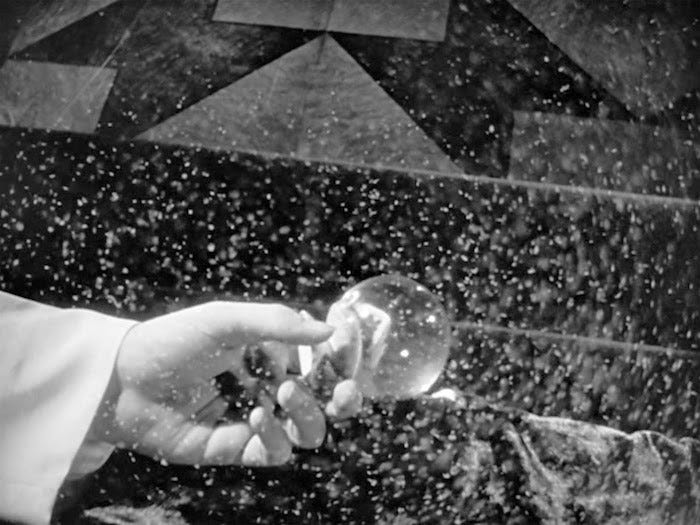
Consider these narrative devices: Flashback, Flash Forward, Set-Up / Payoff, Callback, Montage, Series of Shots, Cross Cut, Visual-to-Visual Transition, Audio-to-Audio Transition, Pre-Lap. All related directly to managing time in a screenplay.
This combination — the malleability of time and the variety of time-related narrative tools — means that time is one of the most powerful resources at a screenwriter’s disposal.
That is if we understand how to think about and use it.
Where to start? With this screenwriting principle:
Time = Present
When we think of screenplay time, we must always ground it in the moment. Let us explore why this is the case.
Present: Being in the Moment
There are many reasons why a screenplay is a unique narrative form. A notable one is the fact that scripts are written in the present tense. This is in significant contrast to almost all other fiction and even non-fiction which is typically written in the past tense.
This is not just a difference in semantics. Consider these definitions:
Present: “being, existing, or occurring at this time or now; current; at hand, at this time, immediate.”
Past: “gone by or elapsed in time, of, having existed in, or having occurred during a time previous to the present; bygone.”
Unlike traditional fiction where the writer recounts events that are already past, a screenwriter describes the narrative as it unfolds in the here and now, thus creating a sense of immediacy. This can have the effect of pulling the script reader more fully and intensely into the story universe.
Consider each of these scenes:
This prophetic interaction in the movie Drive:
This revelatory phone call in When Harry Met Sally:
This shocking moment in Fatal Attraction:
Each of them happens in the present, in the now, in the moment. In fact one way of looking at a screenplay is that it is a series of moments strung together, one after the other, each leading to the next. In combination they create a narrative whole.
Therefore, as we write a screenplay, we should approach each scene as happening right now, unfolding before our very eyes, occurring in its own moment.
This may seem completely obvious. Why make it a point of emphasis? If you do not grasp the enormous value of each scene being in the moment, go back and watch those clips above. Realize what each scene is doing to you psychologically.
It is luring you into that story.
As such you become a vicarious participant in the events that transpire there. This is perhaps the single most important goal for a screenwriter: To pull a reader into the story universe and keep them there. Like this:
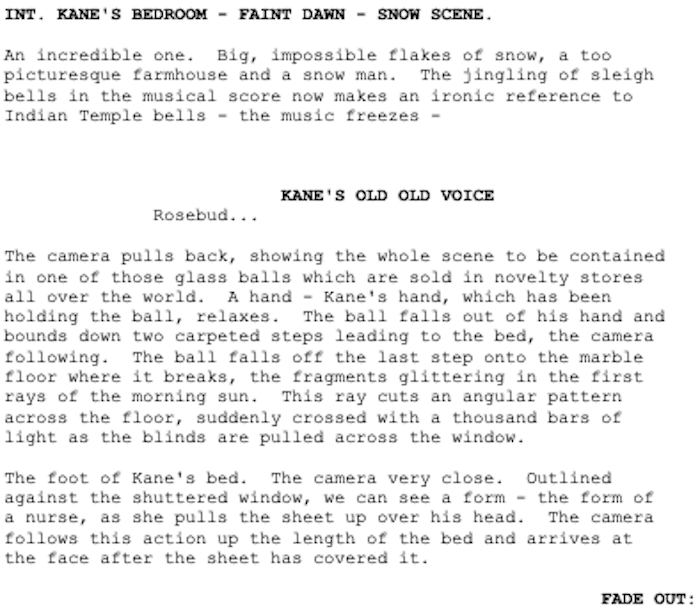
We are there. In the moment. As Charles Foster Kane dies. Leaving us a profound mystery: What does Rosebud mean?
In a screenplay, Time = Present. But how to achieve this sense of immediacy in a script that can successfully pull a reader into the story universe? By writing in the moment.
Present: Writing in the Moment
Back in the early days of television, Walter Cronkite hosted a series called “You Are There.” Here is a description from Wikipedia:
The series featured various key events in American and World history, portrayed in dramatic recreations. Additionally, CBS News reporters, in modern-day suits, would report on the action and interview the protagonists of each of the historical episodes. Each episode would begin with the characters setting the scene. Cronkite, from his anchor desk in New York, would give a few words on what was about to happen. An announcer would then give the date and the event, followed by a loud and boldly spoken “You Are There!”
Here is an episode of the series:
Note that Cronkite speaks of history in the present tense, underscoring the conceit of the series: To pull the viewer into a notable past event by making it appear like it is happening in the present.
Not “You Were There,” but “You Are There.”
This TV series is a perfect metaphor for screenwriting in the present as the very idea of it transforms our conversation. The scene you are writing is not happening in some fuzzy place in your imagination, rather it is happening right there, right in front of you, all around you.
Thus, part of writing in the moment is simply being mindful of the fact each word you write is describing events that are occurring in the present.
But how to engage this mindfulness? How to facilitate the experience of You Are There?
Once again, as with so much of screenwriting, it starts and ends with character.
Novelist W. Somerset Maugham said, “You can never know enough about your characters.” There is an obvious level of truth in this assertion: By going into our characters and immersing ourselves in their experiences, they come alive to us. Backstories, world views, behaviors, personalities, and voice, by digging into each of our story’s characters, we see them, we hear them, we feel them.
At another level, as we learn about a character’s wants, needs, fears, and goals, the structure and soul of the story emerge, both Plotline and Themeline.
But there is yet another level at which going into our characters pays off handsomely: We become emotionally and psychologically involved in their lives. When we do that, we are naturally drawn into the moment. Their experience becomes our experience.
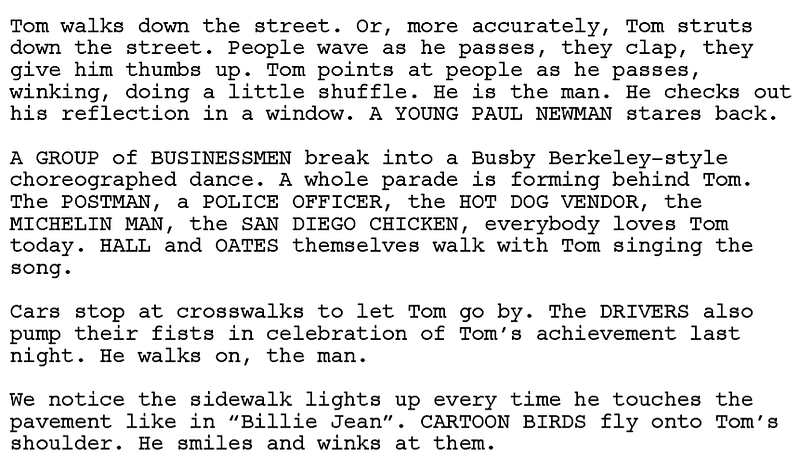
So when we read a story such as (500) Days of Summer directly after Tom has made love for the first time to his dream girl, and the script says “It’s the greatest morning of all time,” we experience Tom’s elation with him:
Open one of your own scripts. Pick out a scene. Read it mindful of being in the moment. Does the scene come alive as if it is happening right now in the present? If so, great. You are on the right path. If not, then the next time you write, be particularly conscious of being in the moment. Hopefully you will carry that consciousness with you in all of your screenwriting.
Takeaway: In a screenplay, Time = Present. Every scene and every event unfolds in the moment. As writers, we must train ourselves to be in that moment and write in that moment. The single best way to do that is to be so in touch with our characters that we share in their life experience as it unfolds in The Now.