What is a movie script’s denouement?
It answers this question: What do you want the audience to feel when they walk out of the theater at the end of your movie?
It answers this question: What do you want the audience to feel when they walk out of the theater at the end of your movie?
Or re-frame the question this way: What do you want a reader to feel when they finish your script? These questions lie at the heart of the denouement.
The Oxford dictionary defines it this way: the end of a story, in which everything is explained, or the end result of a situation. In other words, what does the story mean? How has it impacted the main characters? And critically, what is their emotional state based upon what they have experienced? Because what the primary characters are feeling is what should be conveyed to the reader in the hope that they share those same feelings.
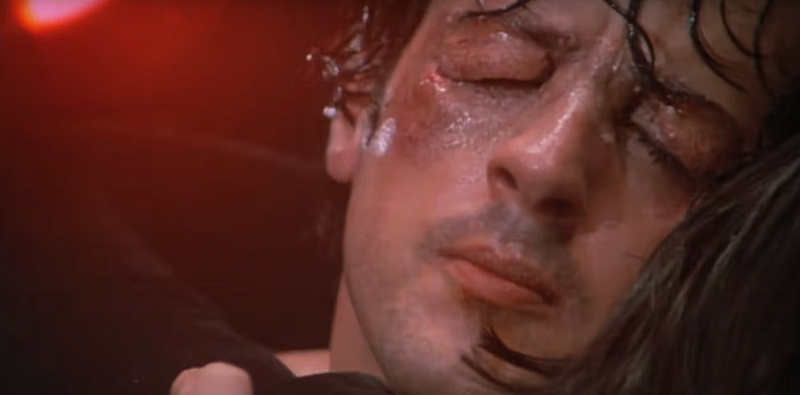
The denouement is the part of the script which follows the Final Struggle. That is the culmination of the Plotline, but it is not the end of the story. For example, Rocky has lost the fight in Rocky on a split decision (the culmination of his boxing match with Apollo Creed), but the ending of the movie is this:
Rocky calling out “Adrian,” she runs into the ring, they hug and she says over and over again, “I love you.” That little bit of dramatic business functions as the denouement. The audience goes, “Rocky, I’m bummed you lost the fight, but I’m proud of you. And it’s awesome you found true love. You deserve it!”
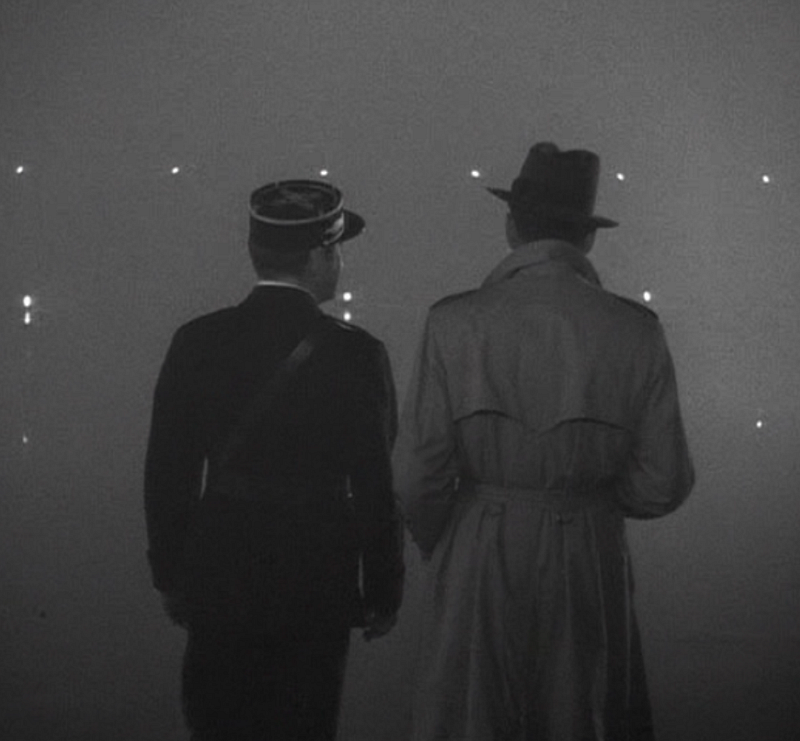
Other famous denouement moments:

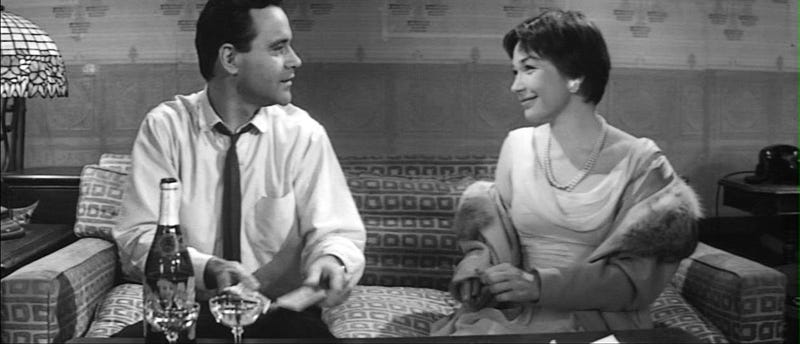
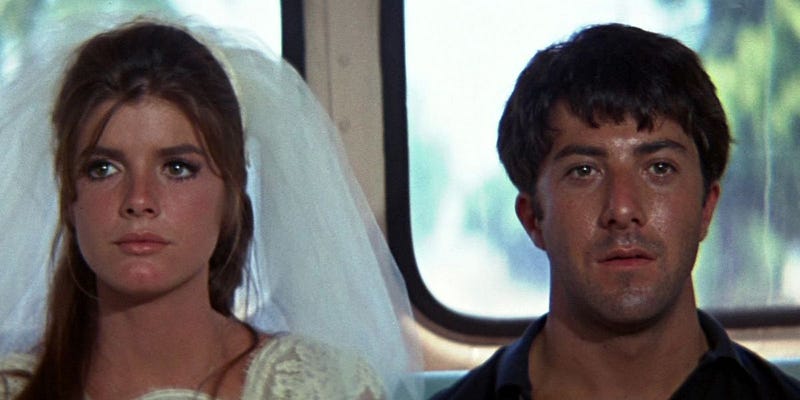
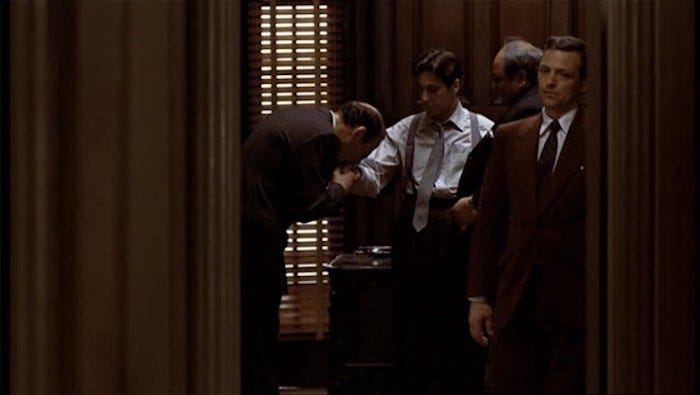

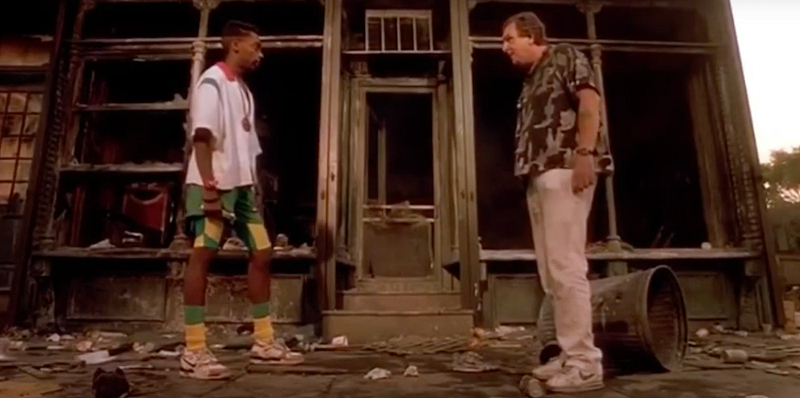
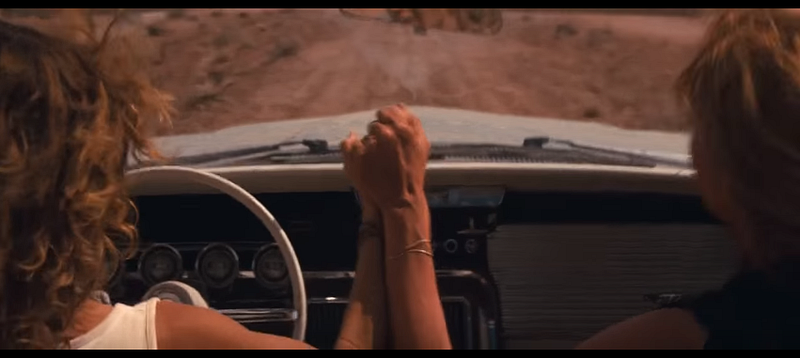

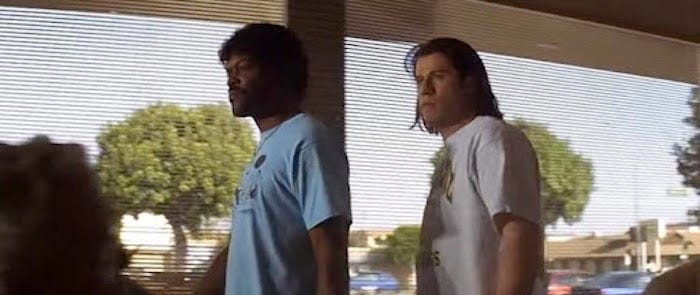


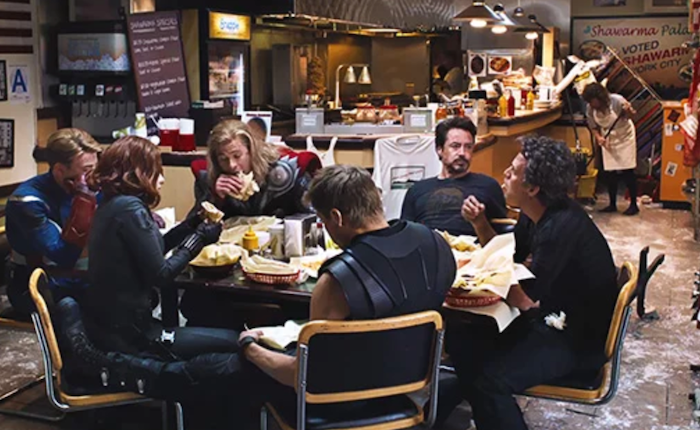

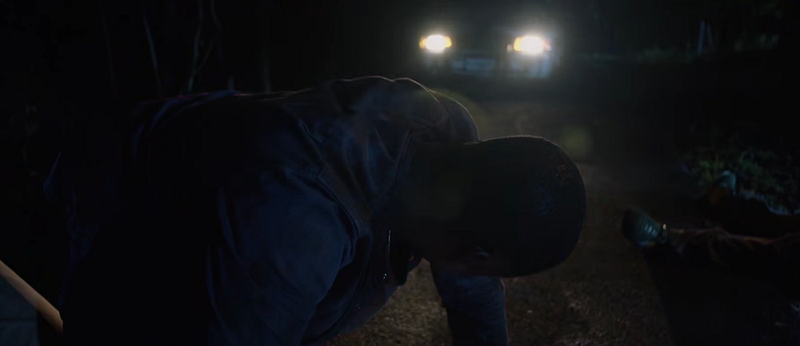
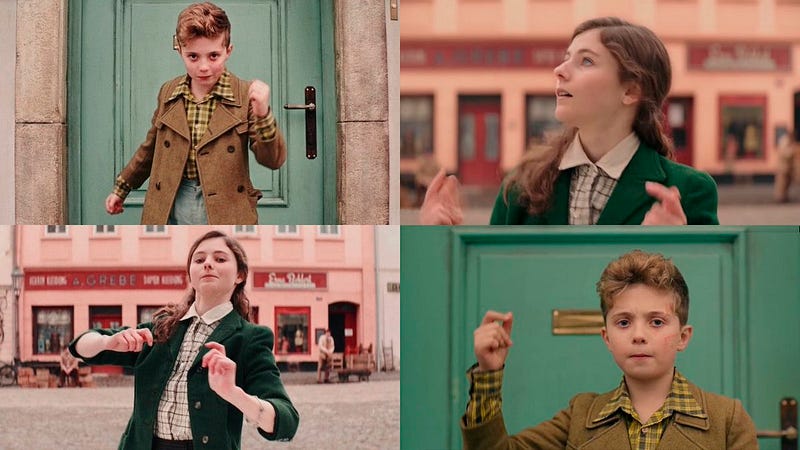
As you browse through these photos, I would imagine they evoke some sort of emotional response in you. That’s what you want with a denouement. Not just any emotion, but the feelings you want the audience to feel. This is your last chance to drive home the emotional point of your story.
I tell my students they really need to think this out: What is your denouement? What are the final images? What is the emotion you want to engender in the script reader? That last visual can make a world of difference.
Here is the final scene from the script for the movie Nomadland (2020).

Imagine the movie ending with this image of Fern heading out “towards the endless desert.”
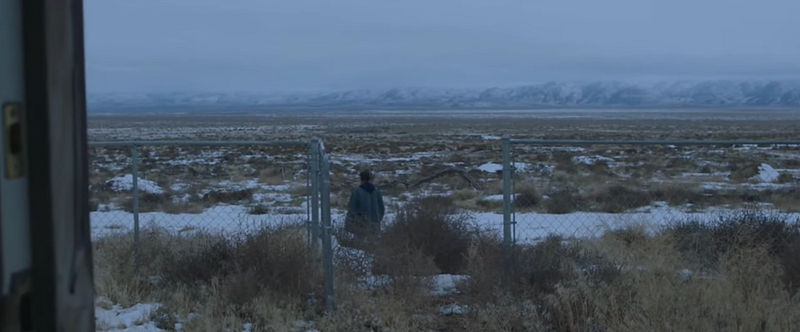
The solitary figure. The dark gray skies. The drab lifeless desert. This evokes a solemn, even sad feeling. However, this is not how the movie ends.
It ends with this image:
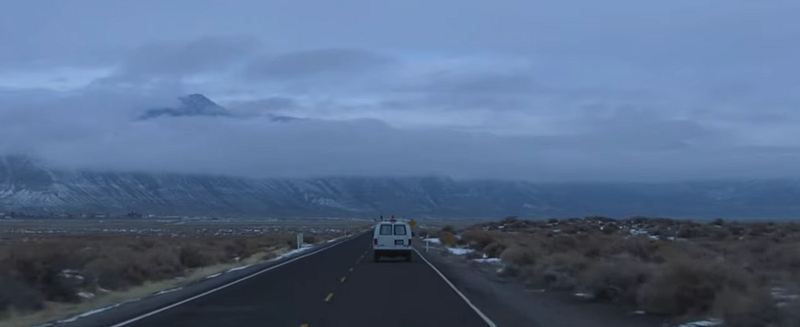
That’s Fern’s van. Coming home to find closure with her married life with Beau, who has passed way, that signifies the end of her old life. The van on the road marks the beginning of Fern’s new life. She has found a home. It is life on the road. That point is driven home by this final message in the movie:
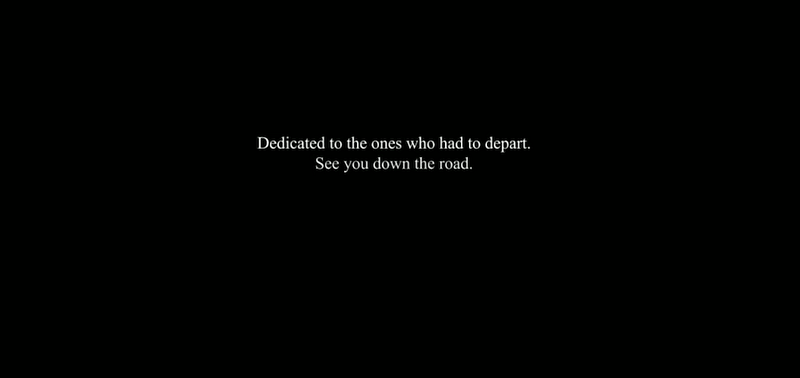
The movie ending conveys a much different emotional message than the script’s finale, one which elicits hope and even perhaps a measure of happiness for Fern. We feel like she’s going to be all right. She’s found her tribe. The nomads. And she will surely see them … down the road.
The choice of how to handle your story’s denouement is not only key in terms of how you want the audience to feel after experiencing your movie. It can also be helpful in your story-crafting process. When a student comes to me with questions about the meaning of their story, I’ll often ask, “What’s your denouement? What do you want the audience to feel? What emotions do you want them to take away from the ending of your story?” Mulling over those questions can help bring into focus the story’s central theme and even help to clarify the tone of the story.
Takeaway: The Final Struggle is not the end of your script. You need to write a denouement to convey to the reader, “This is what it all means. This is how the story impacted these characters. This is the emotions they are having … and by extension, these are the emotions I want you to have.”
What are your favorite denouements?