Virtual Production and You … the Screenwriter
“Technology is coming to take away our jobs as screenwriters” … except when it isn’t. In fact, it can make our job easier … and better!
“Technology is coming to take away our jobs as screenwriters” … except when it isn’t. In fact, it can make our job easier … and better!
Screenwriters have a right to be concerned about new technologies and their impact on our craft. This is especially true in terms of imitative AI. During the recent WGA strike, this was a huge issue for the Guild. I covered the strike every day at Go Into The Story. Here are just a few of the articles I wrote on this subject.
Why AI Is the Most Important Issue in the Writers’ Strike
What the Writers Really Fear About AI in Hollywood
How AI Took Center Stage In The Hollywood Writers’ Strike
SAG-AFTRA And WGA Fears About AI Are Warranted
Hollywood is in the midst of an AI hiring boom
I even did a five-part series called ChatGPT is a Terrible Screenwriter. As a result, I was interviewed on the subject of AI on KCRW (Santa Monica) in its program Press Play.
So yes, screenwriters have cause for concern about the influence imitative AI may have on the role writers currently play in the area of film and television production.
However, not all technology is bad. In fact, the emergence and growth of virtual production technologies has expanded what is possible in the realm of cinematic storytelling.
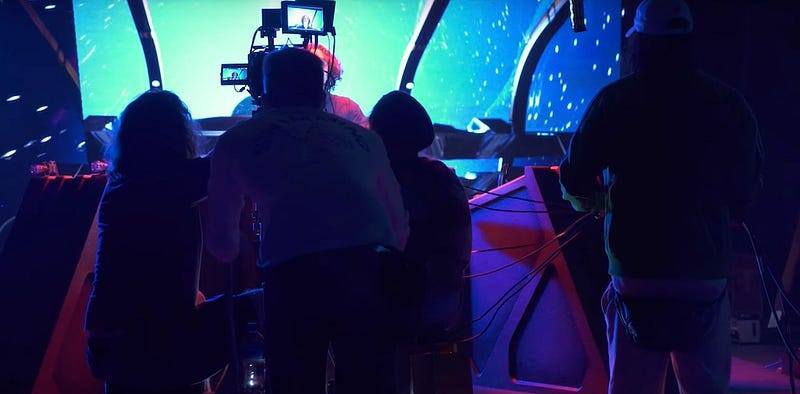
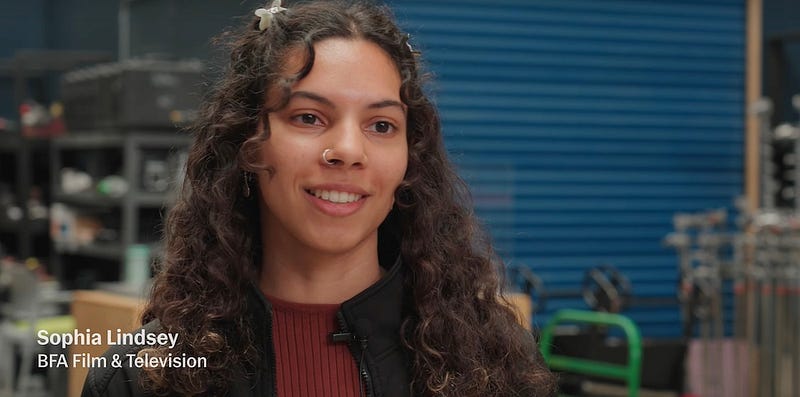
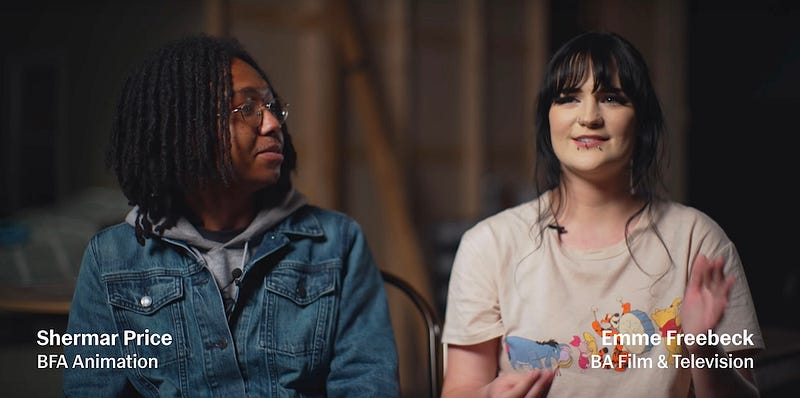
I have seen this first-hand at the DePaul University film school where I am an associate professor. Check out this video about the resources our school provides students in this burgeoning area of technological advancement.
Virtual production allows DePaul students — and filmmakers everywhere — the opportunity to tell stories in any type of environment. As one of my faculty colleagues Brian Andrews says in the video, “Virtual production can put any person in any place.”
DePaul has gone all-in on this technology as part of the university’s presence at Cinespace Chicago. There, students have access to six sound stages, next door to where television series like Chicago Fire, Chicago P.D., Chicago Med, and The Bear are produced. In the works, a permanent virtual production studio. Just look at the faces of our students and how excited they are to be learning this form of cinematic storytelling.

In the video, Brian notes this: “Poor Things has this beautiful visual aesthetic that’s loose and painterly. The sequence on the boat with fantastically designed skies and ocean scenes — all of that was done with virtual production.” Here is an excerpt of the boat sequence in Poor Things.
Yes, screenwriters have concern about technological advances. That is on the one hand. On the other hand, advances in virtual production empower us to expand our imaginations to create worlds and environments which until now would have been impossible to create.
In addition to Brian Andrews, thanks go to fellow DePaul faculty members Dana Kupper and Susanne Suffredin, who co-directed the video.
For more information on virtual production at DePaul, go here.