Video: “What is subtext?”
Another in the excellent screenwriting series Raising the Stakes.

Another in the excellent screenwriting series Raising the Stakes.
Jonathan W. Stokes is a screenwriter with a unique credit to his name: Five of his original screenplays have been named to the annual Black List. That alone should get your attention, but there’s also this: Over the last few years, he has produced a valuable video series called Raising the Stakes.
Recently, Jonathon debuted the first video in Season 4 of his screenwriting series. Episode 1: What is subtext? Here’s how he frames the subject:
In life, and in good writing, there is often a world of difference between what we say and what we mean.
In this video, we explore that world. A common theme of these videos is to “always flatter the intelligence of the viewer.” Subtext is perhaps the ultimate way to do this. This video attempts to turn subtext into text — without leaving its meaning hidden below the surface…
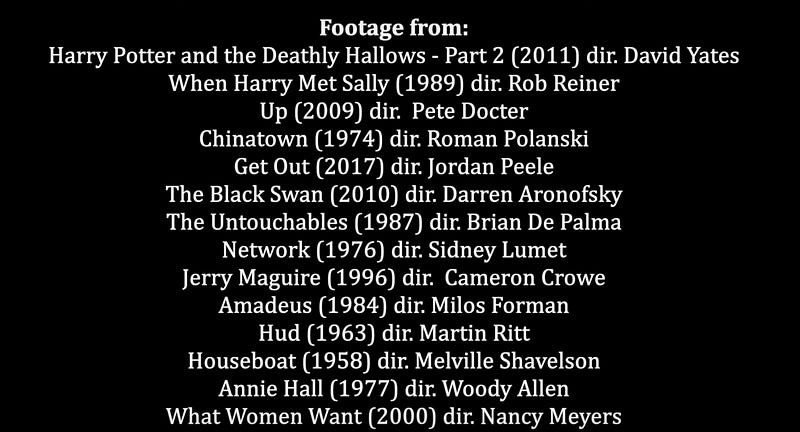
It’s an excellent video with some wonderful movie and TV clips:
Here is the latest video in the series:
A couple of things I really appreciate about this video:
- In zeroing in on subtext, Jonathan talks about the connection between a character’s Wants and Feelings. This aligns with how I teach screenwriting. The Screenplay Universe is comprised of two worlds — the External World (what we see and hear in Action and Dialogue) and the Internal World (what we intuit and interpret in Motivations and … wait for it … Subtext). A character has a Want (External), but underneath (Internal) there exist layers of emotional associations with that Want. The synergistic connection between these two worlds creates a path for the writer to explore each character’s psychological nature. This path can lead to the shaping of complex, multilayered characters which actors want to play … and audiences love to experience.
- Jonathan also makes the point that the use of subtext forces the audience to speculate about what the possible underlying subtextual meaning of dialogue could be. This reminds me of the Billy Wilder advice on screenwriting:
Make it clear to them, but don’t spell it out like the audience are just a bunch of idiots. Just aim it slightly above their station and they’re going to get it. This is what I learned from Ernst Lubitsch. He had a real touch, a gift of involving the audience into writing the script with him as it was unfolding on the screen.
In other words, he was not the kind of a director who kind of hammered it down and said, “Now listen to me, you idiots. There now, put down the popcorn bag, I’m going to tell you something. Two and two is four.” He said, “No, just give them two and two and let them add it up. They’re going to do it for you. And they’re going to have fun with it. They’re going to play the game with you.”
By using subtext in dialogue, the writer invites the script reader to participate in the unfolding story, rather than simply being an observer. The text of the dialogue is 2 + 2. We “let them (reader) add it up” by interpreting what the character’s subtextual intention might be.
Do yourself a favor and screen Jonathan’s latest video. And more to come in the next several weeks as the rest of Season 4 rolls out!
For more videos in Jonathan Stokes’ excellent Raising the Stakes series, go here. While you’re there, why not subscribe?
Here are links to previous Go Into The Story articles featuring Jonathan’s excellent videos.
Season 1
Episode 1: The Objective Correlative
Episode 2: Breaking Suture
Episode 3: Nuking the Fridge
Episode 4: 10 Ways to Invest Your Audience in Your Hero
Episode 5: Heightening
Season 2
Episode 1: Theme Shown
Episode 2: Raising the Stakes on the Call to Adventure
Episode 3: 7 Ways To Do Bad Exposition
Episode 4: 9 Rules For Good Exposition
Episode 5: Magic Flight
Season 3
Episode 1: The Act One Break
Episode 2: Atonement with the Father
Episode 3: Seven Set Pieces
Episode 4: The Midpoint
Episode 5: Anaphora and Epistrophe
For more background on Jonathan W. Stokes, you can go here.