Video: “9 Rules For Good Exposition”
Another in the excellent screenwriting series Raising the Stakes.
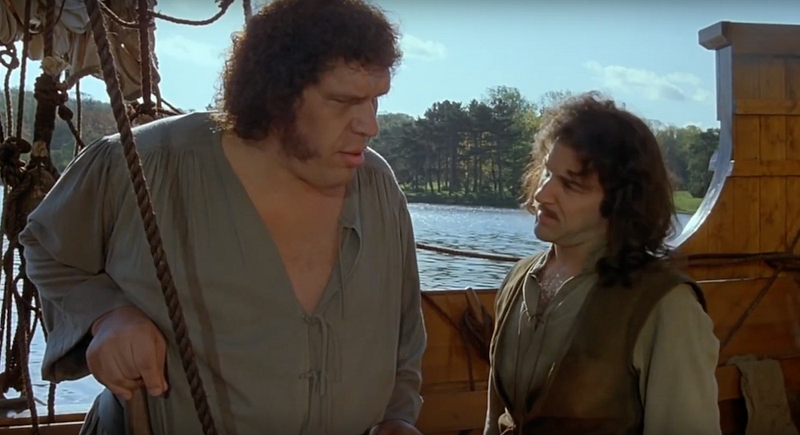
Another in the excellent screenwriting series Raising the Stakes.
Jonathan W. Stokes is a screenwriter with a unique credit to his name: Five of his original screenplays have been named to the annual Black List. That alone should get your attention, but there’s also this: Over the last few years, he has produced an excellent video series called Raising the Stakes.
Setting. Information. Data. Backstory. These constitute much of what writers call exposition. Often this is important content, so how writers handle it in a script is a critical skill-set to develop.
In the Season Two, Episode 4 video (“9 Rules For Good Exposition”), Jonathan makes this point:
“Exposition. The bane of many a writer. Give too little and the audience is
confused. Give too much and…”
Well, let’s just say boredom sets in.
The 9 rules for good exposition?
- Character Before Plot
- Plot Points: Give the Least Amount of Information Possible
- Backstory: Give the Least Amount Possible
- Exposition Through Conflict
- Exposition Through Action
- Exposition Through Emotion
- Audience Surrogate
- Show Don’t Tell
- The Best Exposition… is No Exposition
Here is the video:
As Jonathon says: “Flatter your audience’s intelligence and they will always rise to the occasion.” That reminds me of a piece of advice given by my favorite filmmaker Billy Wilder:
Make it clear to them, but don’t spell it out like the audience are just a bunch of idiots. Just aim it slightly above their station and they’re going to get it. This is what I learned from Ernst Lubitsch. He had a real touch, a gift of involving the audience into writing the script with him as it was unfolding on the screen.
In other words, he was not the kind of a director who kind of hammered it down and said, “Now listen to me, you idiots. There now, put down the popcorn bag, I’m going to tell you something. Two and two is four.” He said, “No, just give them two and two and let them add it up. They’re going to do it for you. And they’re going to have fun with it. They’re going to play a game with you.”
By teasing out the exposition, we actually entice the audience to become participants in the unfolding story process. How? By engaging their mind and imagination. Allow them to fill in the gaps.

This is a companion to another Raising the Stakes video: “7 Ways to Do Bad Exposition.”
Check out all of Jonathan’s Raising the Stakes videos.They offer an excellent foundation in grasping the essence of screenplay structure.
For more background on Jonathan W. Stokes, you can go here.
You may read my interview with Jonathan here.