Video: “7 Ways To Do Bad Exposition”
Another in the excellent screenwriting series Raising the Stakes.
Another in the excellent screenwriting series Raising the Stakes.
Jonathan W. Stokes is a screenwriter with a unique credit to his name: Five of his original screenplays have been named to the annual Black List. That alone should get your attention, but there’s also this: Over the last few years, he has produced an excellent video series called Raising the Stakes.
Setting. Information. Data. Backstory. These constitute much of what writers call exposition. Often this is important content, so how writers handle it in a script is a critical skill-set to develop.
In the Season Two, Episode 3 video (“7 Ways To Do Bad Exposition”) of the Raising the Stakes series, Jonathan asks:
Why is exposition so clunky and cringe-worthy in certain movies, TV, and books? In this video, we explore pitfalls to avoid when feeding the audience their exposition.
The 7 ways to do bad exposition?
- The “As you know, Bob”
- Characters explaining things to each other
- Exposition by timely newscaster
- Exposition by title crawl
- Exposition by voice over
- Exposition by flashback
- Exposition by convenient nightmare
Here is the video:
There is one theme which runs through each of these “clunky” forms of handling exposition, what I refer to as “writer’s convenience.” That is when a reader goes through a screenplay and what transpires on the pages cries out: “The only reason this is happening is because it is more convenient for the writer to make it happen rather than it happening due to the agency of the characters themselves.” As Jonathan notes in the “As you know, Bob” section:
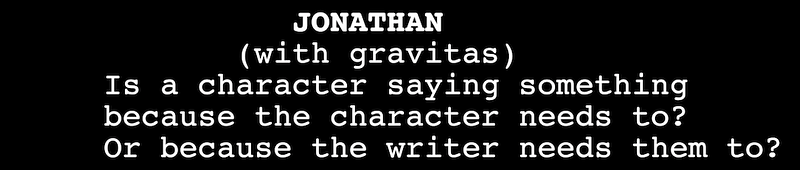
With the exception of exposition by title crawl, which happens before characters are introduced, a reader may very well experience the presence in a script of any of the other six forms of handling exposition as writer’s convenience. And that is likely to cause the reader to fall out of the story universe, what Jonathan calls “breaking suture.”
I explored the subject in this article: The Thing With Coincidences in Screenplays. There is a difference between Fate … and Writer’s Convenience.
There are many ways to write “clunky” exposition. There are also ways to write good exposition. That is the subject of a companion Raising the Stakes video: “9 Rules for Good Exposition.” I will feature that in an upcoming blog post.
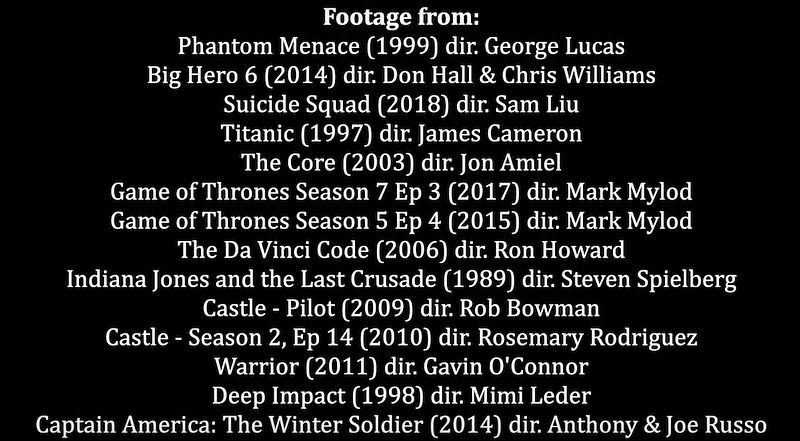
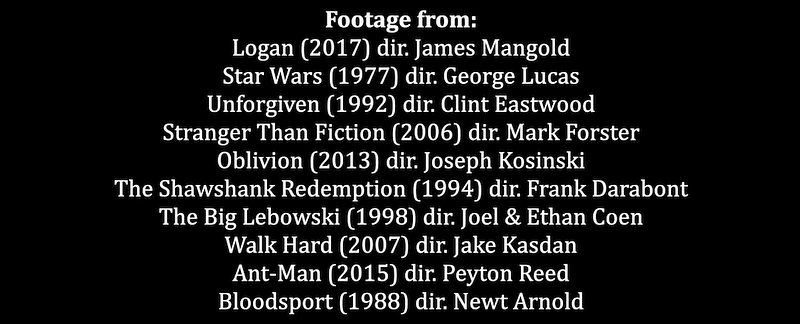
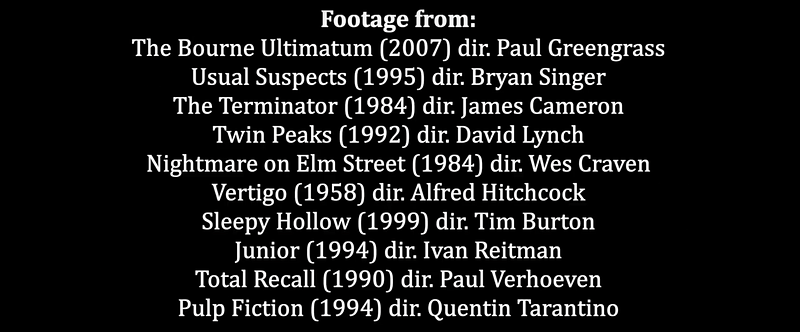
Movies and TV series referenced in Jonathan’s video:
Check out all of Jonathan’s Raising the Stakes videos.They offer an excellent foundation in grasping the essence of screenplay structure.
For more background on Jonathan W. Stokes, you can go here.
You may read my interview with Jonathan here.