Video: 20 Screenwriting Tips from Paul Thomas Anderson
The writer-director of Boogie Nights, Magnolia, There Will Be Blood, The Master, Inherent Vice, Phantom Thread, and Licorice Pizza.
The writer-director of Boogie Nights, Magnolia, There Will Be Blood, The Master, Inherent Vice, Phantom Thread, and Licorice Pizza.
The outfit Outstanding Screenplays put together this terrific compendium of film clips from several interviews with writer-director Paul Thomas Anderson.
The 20 tips:
- Allow your story to naturally emerge rather than making sure you know the theme or the meaning of your film straight from the start.
- It’s fun to have an ego when you’re writing by yourself, so it might seem terrifying to become selfless and share your script with your collaborators but that’s when it starts becoming good.
- If there’s a problem with something in your film, it usually means you need to track it all the way back to writing.
- Create without fear.
- Spectacular ideas come from the mundane situations of life. Explore the core elements of our everyday lives, relationships and then use your writing to find a deeper truth about what it means.
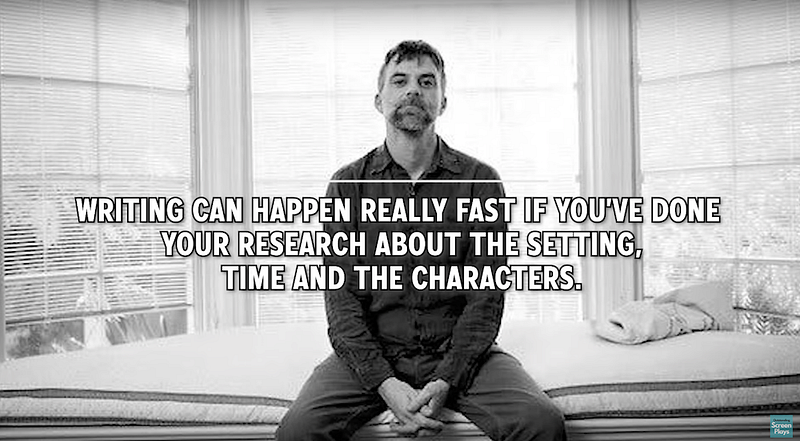
- Writing can happen really fast if you’ve done your research about the setting, time and the characters.
- Your job as a director is being an audience member and a collaborator.
- Writing makes or breaks a film. Good writing makes directing and making a film easier, and poor writing makes it harder.
- No matter how unique your idea, there is probably something with a resemblance out there. Watch it, study it. See where you can take ideas and critique and avoid mistakes.
- Don’t be too descriptive, show your character’s motivations through their actions and their dialogue.
- Think about the songs you feel match your story, and why. What about the themes of the song, the style, tells your story. This means your music, and your writing will be more unified and natural overall.
- Film school can provide you with a great leg up, but ensure you learn from watching, and creating films first and foremost.
- When on set, take the work seriously, but don’t take yourself seriously. Make sure you’ve already had all the key conversations and meetings before shooting takes place.
- Leap from project to project. Harness your excitement from each project to motivate yourself to do the next. Never allow your filmmaking to simply end.
- As a writing exercise, write someone else’s words down to get inspired and work your own script from there.
- Never just stare at the blank piece of paper. Build a momentum where you can write every day without it ever tiring you out, even if you only have vague ideas about what to write about.
- Don’t start with a theme. Start with characters.
- For certain projects, it can be beneficial to include your main actors in the writing process.
- Let your characters tell the truth.
- Constantly practice writing. If you don’t know where to start, use stories or ideas you’ve written down when you were younger.
He had me with, “Start with characters.” In the words of a mantra I coined years ago…
Begin with character. End with character. Find the story in between.
That is quite literally how I begin and end my book: The Protagonist’s Journey: An Introduction to Character-Driven Screenwriting and Storytelling.
For more Outstanding Screenplays videos, go here.
For 100s more interviews with screenwriters, filmmakers, storytellers, and industry insiders, go here.