Video: “10 Ways to Invest Your Audience in Your Hero”
Another in the excellent screenwriting series Raising the Stakes.
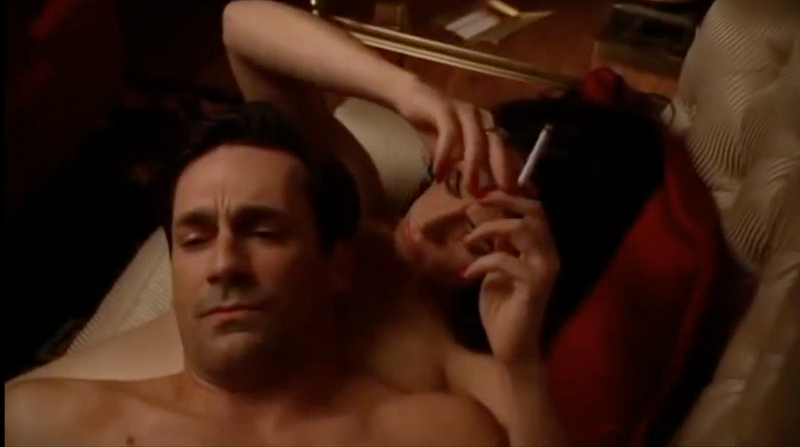
Another in the excellent screenwriting series Raising the Stakes.
Jonathan W. Stokes is a screenwriter with a unique credit to his name: Five of his original screenplays have been named to the annual Black List. That alone should get your attention, but there’s also this: Over the last few years, he has produced an excellent video series called Raising the Stakes.
In the Season One, Episode 4 video (“10 Ways to Invest Your Audience in Your Hero”), Jonathan asks this:
How do you get an audience to care about your hero? How do you make them so compelling that the audience can’t change the channel or put down the book?
In this video, Jonathan explores 10 ways to do precisely that.
The 10 ways are:
- Important Goal
- Undeserved Misfortune
- Danger
- The Smartest Person in the Room
- Cool
- Fascinating
- Funny
- Quirky
- Mysterious
- Underdog
In Hollywood development circles, the default mentality is to work with a “sympathetic Protagonist.” In fact, it’s rather an obsession and can often lead to cheap, surface-level tactics like this one: “Give him a dead wife.”
Consider these comments from writer-director Alexander Payne (Sideways, Nebraska, The Descendants):
Appeal comes from truthful and complex characters. I hate when movie people say, “Your lead character has to be sympathetic,” which for them means “likable”. I don’t give a shit about “liking” a character. I just want to be interested in him or her. You also have to make the distinction between liking the character as a person and liking a character as a character. I mean, I don’t know whether I like Alex in A Clockwork Orange or Michael Corleone in The Godfather as people, but I adore them as characters. Besides, “liking” is so subjective anyway. So many American movies of the eighties and early nineties bent over backwards to make the protagonist “likable” in a completely fraudulent way, and I detested them.
Jonathan’s list is helpful because many of the examples he cites are not sympathetic so much as they are compelling. And in my humble opinion, that is a much better way to think about the subject, especially in terms of the Protagonist. Note again the title of Jonathan’s video: It’s not about making your Hero likable. Rather, it’s to get the audience invested.
If we find the Protagonist to be a compelling figure amidst an interesting situation (Plotline), we are likely to be invested in the story.
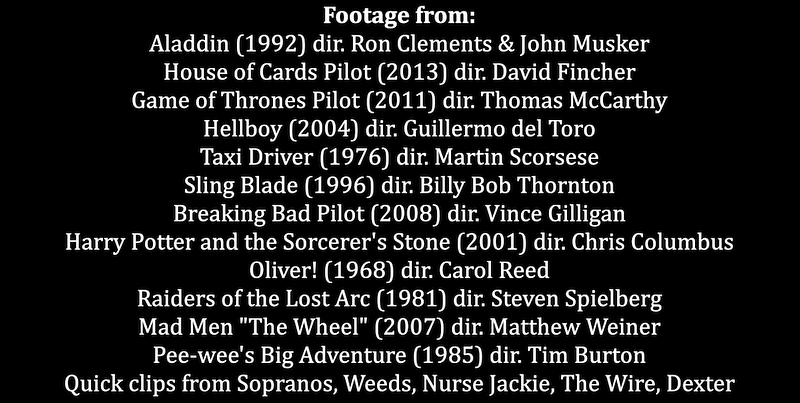
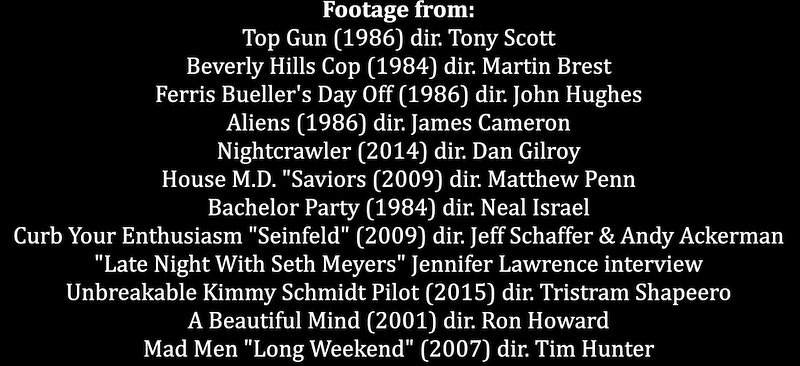
Movies and TV series Jonathan references in this video:
Check out all of Jonathan’s Raising the Stakes videos.They offer an excellent foundation in grasping the essence of screenplay structure.
For more background on Jonathan W. Stokes, you can go here.
By the way, I recently interviewed Jonathan. Look for that chat soon.