Unpacking the Mysteries of Screenplay Time
Flashback, Flashforward, Set-Up / Payoff, Callback, Montage, Series of Shots, Cross Cut, Visual-to-Visual Transition, Audio-to- Audio…

Flashback, Flashforward, Set-Up / Payoff, Callback, Montage, Series of Shots, Cross Cut, Visual-to-Visual Transition, Audio-to- Audio Transition, Pre-Lap, all related directly to managing time in a screenplay.
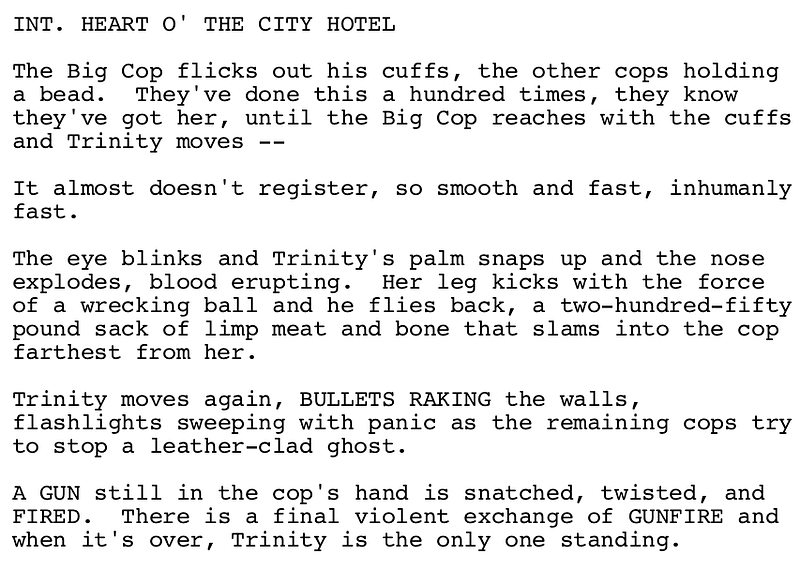
Time is a mystery, especially in a screenplay. As writers we can leap through decades from one scene to the next. Or we can stretch a moment into minutes of screen time, page after page unfolding the action in slow-motion, the same event visualized from multiple points of view. Indeed each scene has its own rhythm. They can flash by like this one from The Matrix:

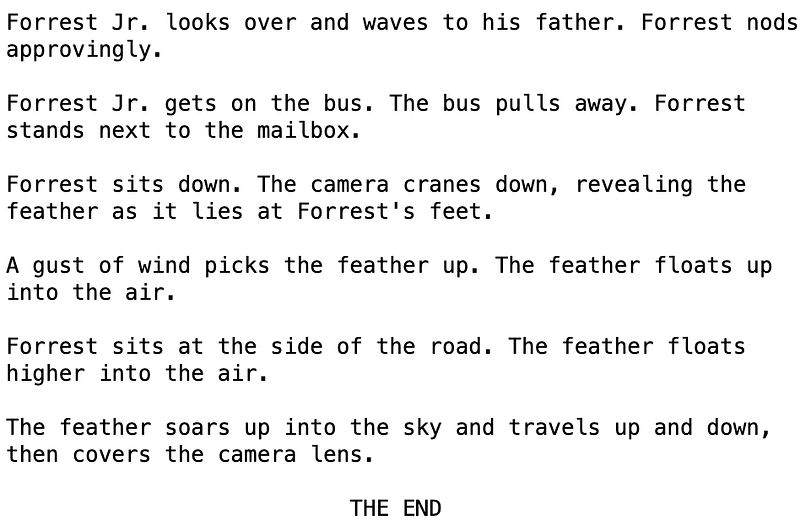
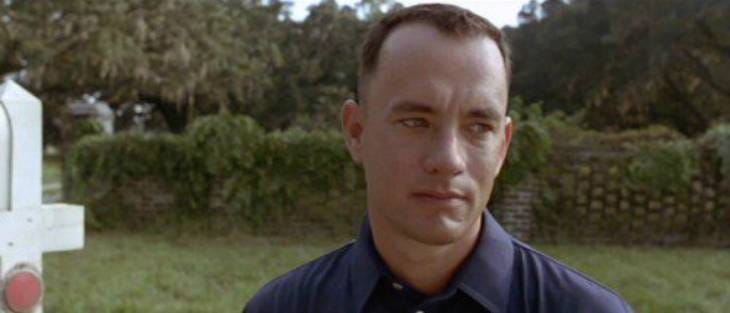
They can also tick by quietly like the final moments in Forrest Gump:
Now consider these narrative devices: Flashback, Flashforward, Set-Up / Payoff, Callback, Montage, Series of Shots, Cross Cut, Visual-to-Visual Transition, Audio-to- Audio Transition, Pre-Lap. All related directly to managing time in a screenplay.
This combination — the malleability of time and the variety of time-related narrative tools — means that Time is one of the most powerful resources at a screenwriter’s disposal.
That is if we understand how to think about and use it.
Where to start? With one of my Core Screenwriting Principles:
Time = Present
When we think of screenplay time, we must always ground it in the moment.
This is the starting point for my upcoming one week online class, the eighth and final course in my Core curriculum on screenwriting theory, this one focusing on TIME.
The class features six lectures written by me:
Lecture 1: Present: Being in the Moment and Writing in the Moment
Lecture 2: Present-Past: Backstory and Nonlinear Storytelling
Lecture 3: Present-Future: Destiny and Narrative Drive
Lecture 4: Set-Ups, Payoffs, and Callbacks
Lecture 5: Montage and Series Of Shots
Lecture 6: Flashback and Flashforward
In addition to The Matrix and Forrest Gump, other study scripts include Citizen Kane, (500) Days of Summer, Back to the Future, The Sixth Sense, Ordinary People, The Hangover, Bull Durham, and Pulp Fiction.
WHO SHOULD TAKE THIS COURSE
Screenwriters, TV writers, novelists, and playwrights who want to learn the multitude of ways you can manage time to make your storytelling more entertaining and compelling.
Testimonials
“I just finished taking Scott’s core class on TIME and I’d really recommend this class — or any of his — to someone who wants to gain greater insight into the craft of screenwriting. Scott is an incredibly generous teacher. He took the time to give really thoughtful and helpful answers to ANY questions or comments each of us had as students. And his lessons are really priceless, well researched, incredibly thought out, and extremely informative. He mixes his thoughts on subjects with video examples from great movies to make his points easily understood. It’s great because he’s not teaching a paint-by-numbers approach here. He’s a working screenwriter who’s helping us to develop our own process based on what he’s learned over the years. It’s clear he cares deeply about film and screenwriting, and he cares just as much about his students. I highly recommend his teaching.” — Greg Vovos
“I greatly enjoyed the Core VIII course on Time and recommend it to any screenwriter. Scott helped us to consider principles in film that we may have been observing for years, but not effectively utilizing in our own writing. He provides solid, thought provoking examples, with scripts and clips, that makes learning the concepts fun and lasting. Scott does all this with an easy, non-dogmatic approach that comes from genuinely wanting to help other screenwriters. I have a library full of screenwriting books and scripts, and I’ve been to several screenwriting seminars with the ‘tops’ in the ‘how to write a screenplay’ marketplace. Scott’s accessible and humble style (though he is a produced screenwriter unlike so many of the ‘gurus’) sets him apart from the others.” — Mike Kearon
This 1-week online class provides principles and practices for managing screenplay time. Join me for this class which covers critical content related to the screenwriting craft.
CORE VIII: TIME
Starts April 22, 2024
Enroll now!