“The writer is both a sadist and a masochist. We create people we love, then we torture them.”
Reflections on one of my favorite quotes on writing.
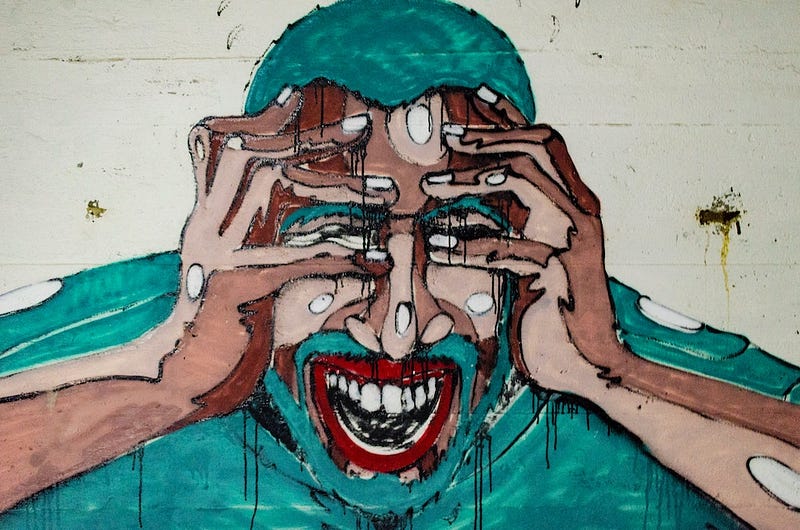
Reflections on one of my favorite quotes on writing.
Here is the full quote:
“The writer is both a sadist and a masochist. We create people we love, then we torture them. The more we love them, and the more cleverly we torture them along the lines of their greatest vulnerability and fear, the better the story.”
— Janet Fitch
As a writer you may be a generous, kind person. An observer of humanity, your are likely empathetic and thoughtful. And like most good people, you may avoid conflict and seek to be a peacemaker.
That’s in your daily life. But in your writing life …
It’s a different story.
You must embrace strife and struggle. You must welcome dissension and discord. You must put your characters through the ringer … to hell and back … into the refiner’s fire.
Why?
In part because audiences find conflict entertaining. When sparks fly between characters on screen, that inflames the viewers interest. What is going to happen? Who will survive and who will not?
Also, when you thrust your characters into psychological, even physical harm’s way, you force them to confront their inner flaws, foibles, and failures. It is especially valuable to explore the nature of conflict between your Protagonist and Nemesis. If the Nemesis is a projection or physicalization of what the Protagonist fears the most, you can work with the emotional connection between the two.
As Anita Loos and John Emerson wrote all way back in 1920 in their book “How to Write Photoplays”: Crisis and conflict are the great essentials of a dramatic story.
If that means “torturing” characters we love …
So be it.