The Theology of Cinema: Righteousness
“If we take this concept and consider it in a secular manner, we see it is a common theme in movies: whenever one or more characters does…
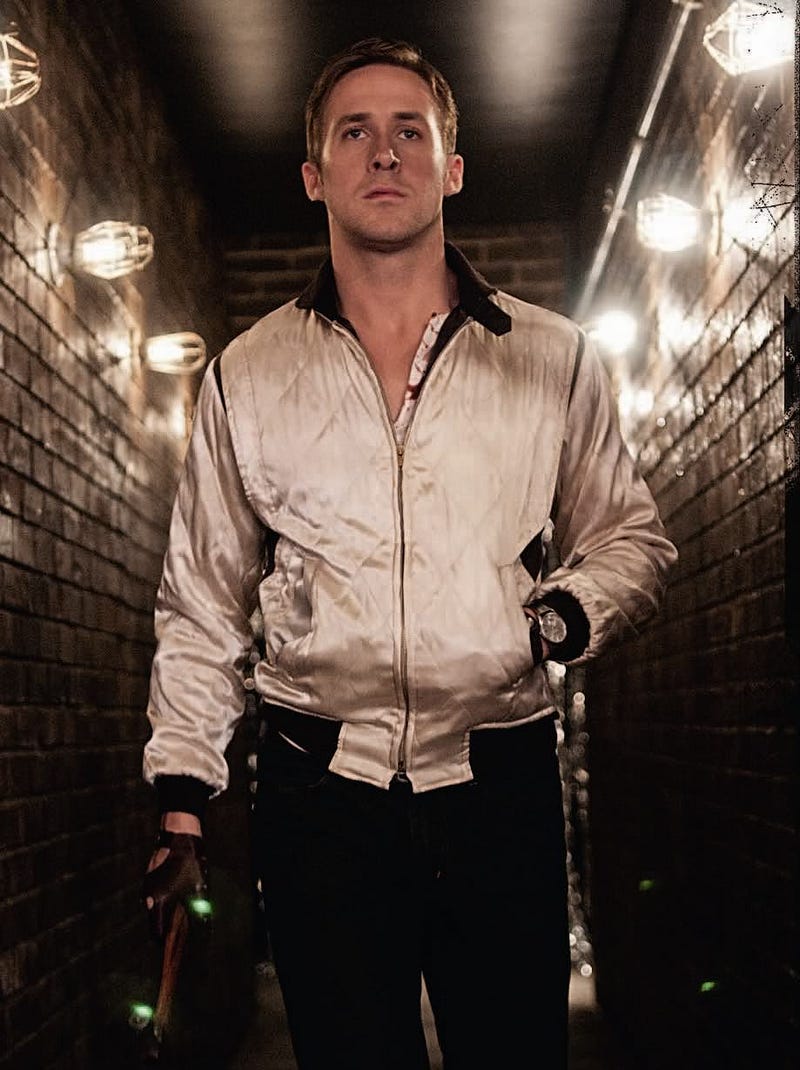
“If we take this concept and consider it in a secular manner, we see it is a common theme in movies: whenever one or more characters does the right thing as a result of their relationship to something other than themselves.”
As many of you may know, I have a background in the academic study of theology, a B.A. in religious studies from the University of Virginia and a Masters of Divinity degree from Yale. So it is only natural I bring that perspective to how I view and understand movies and screenwriting.
Let me be clear, when I say theological, I mean it — in this context — in a secular way. How does that make sense?
The word theology is a combination of two Greek words: “theos” which means God and “logos” which means word. So theology is words about God. What if for this series we think of God as a metaphor for an explanation for the big questions of life? Thus, theology as words about the meaning of life. Broadly speaking that is one dynamic movies hit on consistently, characters forced to confront their values, behaviors, and world views related to who they are and how they should act.
In this respect, movies and theology wade in very much the same thematic waters. As Andrew Stanton noted about Lawrence of Arabia in this TED Talk, how the central theme of that story is the question asked of the Protagonist “who are you,” that issue exists at the core of perhaps every movie, an existential exploration of a character or characters’ self-identity. So, too, with theology.
Also, movies tend to be about characters at critical junctures in their lives, facing a journey from the Old World into a New World where through a series of challenges and lessons they undergo a significant metamorphosis. Sounds an awful lot like a conversion experience to me.
Thus, it is only natural there will be a lot of crossover of theological themes in movies. But while a theological theme in a movie may have a religious or spiritual connotation, I am more interested in exploring such themes metaphorically to find the widest value possible for screenwriters at large.
By working with this non-religious take on the concept, we can avail ourselves of numerous powerful theological themes in screenwriting regardless of whether our stories are secular or non-secular.
Today: Righteousness.
If we think of a righteous person, we are likely to conjure up the idea of someone who is morally upright, an individual who leads a virtuous life. While this is certainly a valid understanding of the concept, the idea of righteousness as being solely about an person’s ethical code misses a significant dynamic present in theological terms.
The word righteousness or righteous is present throughout the Old Testament and that right there tips off another component of the concept. God and the Jews had a covenant, binding them together, and it is only in light of that sacred relationship we can fully understand the theological idea of righteousness. For it is an expression of God’s steadfast commitment to his chosen people, through good times and bad.
If we take this concept and consider it in a secular manner, we see it is a common theme in movies: whenever one or more characters does the right thing as a result of their relationship to something other than themselves.
Metaphorically we may define this theological take on righteousness as ‘doing right by someone.’
In the 2011 movie Drive, the Protagonist [Driver] is a loner, an expert getaway driver who lives by a specific code. Then he develops a relationship with Irene, a young mother, and her son Benicio.
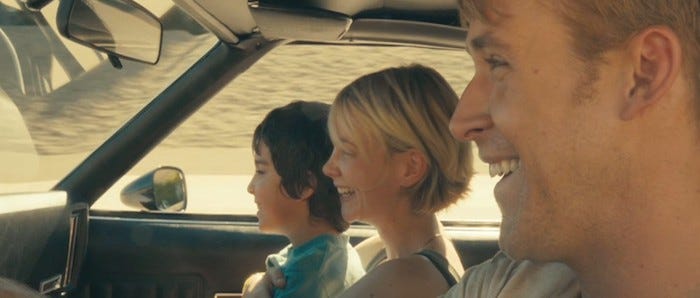
Irene’s husband [Standard] returns home, released from prison:
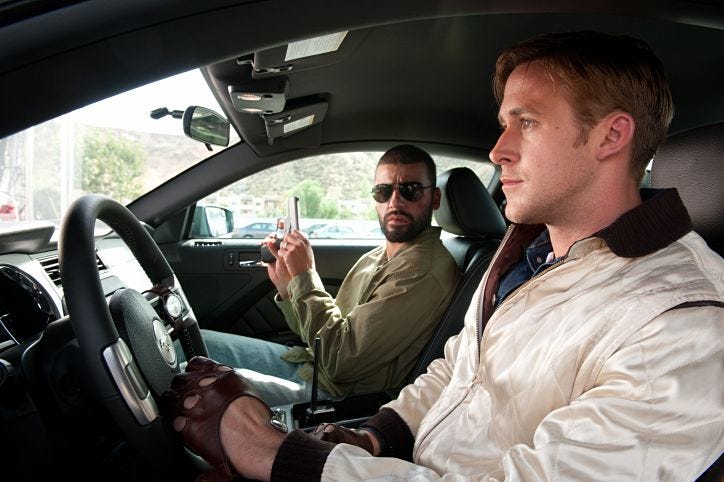
When Standard’s past comes back to haunt him, posing a threat to Irene and Benicio, Driver goes against his strict code of professional behavior and offers to help Standard pull off one last job. This leads to a downward spiral of events and ever increasing violence, but Driver — because of his relationship with Irene and Benicio — is steadfast in his efforts on their behalf, even to the point of putting his own life in danger.
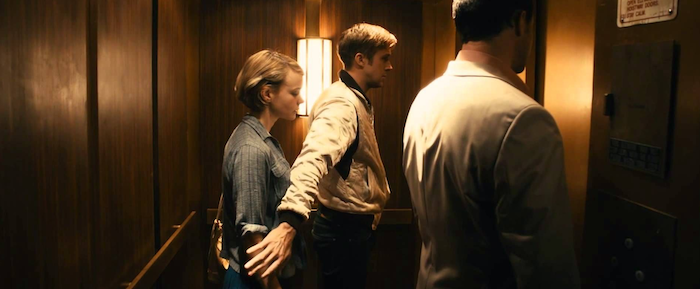
In other words, Driver does right by Irene and Benicio. Even in a morally complicated world in which Driver has to resort to acts of physical brutality, he can be seen to be a righteous man in that he acts on behalf of a greater good: a young mother and her child.
How many movies have we seen a similar dynamic of righteousness at work? The Shawshank Redemption, High Noon, The Dark Knight, The Lord of the Rings, One Flew Over the Cuckoo’s Nest, The Matrix, Unforgiven, Gran Tourino, and on and on and on.
If you want to conjure up a compelling Protagonist, regardless of genre, tone or moral landscape, this is definitely a thematic lens through which you can look: the idea of righteousness.
For more articles in the Theology of Cinema series, go here.