The Theology of Cinema: Predestination
“The story you write about your Protagonist is in some ways predestined, the specific combination of the character’s life circumstances…
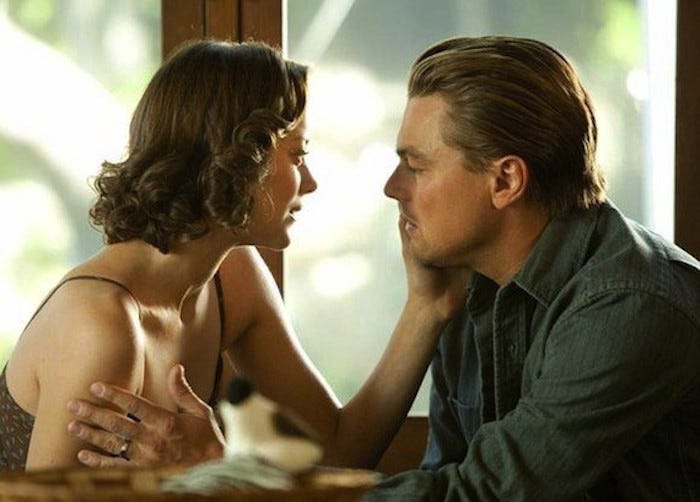
“The story you write about your Protagonist is in some ways predestined, the specific combination of the character’s life circumstances creating a synergy between how they have been living and who they are supposed to be.”
As many of you may know, I have a background in the academic study of theology, a B.A. in religious studies from the University of Virginia and a Masters of Divinity degree from Yale. So it is only natural I bring that perspective to how I view and understand movies and screenwriting.
Let me be clear, when I say theological, I mean it — in this context — in a secular way. How does that make sense?
The word “theology” is a combination of two Greek words: “theos” which means God and “logos” which means word. So theology is words about God. What if for this series we think of God as a metaphor for an explanation for the big questions of life? Thus, theology as words about the meaning of life. Broadly speaking that is one dynamic movies hit on consistently, characters forced to confront their values, behaviors, and world views related to who they are and how they should act.
In this respect, movies and theology wade in very much the same thematic waters. As Andrew Stanton noted about Lawrence of Arabia in this TED Talk, how the central theme of that story is the question asked of the Protagonist “who are you,” that issue exists at the core of perhaps every movie, an existential exploration of a character or characters’ self-identity. So, too, with theology.
Also, movies tend to be about characters at critical junctures in their lives, facing a journey from the Old World into a New World where through a series of challenges and lessons they undergo a significant metamorphosis. Sounds an awful lot like a conversion experience to me.
Thus, it is only natural there will be a lot of crossover of theological themes in movies. But while a theological theme in a movie may have a religious or spiritual connotation, I am more interested in exploring such themes metaphorically to find the widest value possible for screenwriters at large.
By working with this non-religious take on the concept, we can avail ourselves of numerous powerful theological themes in screenwriting regardless of whether our stories are secular or non-secular.
Today: Predestination.
The concept predestination [literally “to predetermine, decide beforehand”] has its roots in an understanding that God is all powerful and all knowing, and therefore must preordain certain events to happen. The logical extreme espoused by certain groups extends to individuals, God determining who will be saved and who will not.
Setting aside the merits of this attitude and looking at the concept metaphorically in relation to story, and in particular screenplays, there is an interesting idea at work here, one I have proposed several times on this blog.
Noted analytical psychologist Carl Jung asserted:
“The psychological rule says that when an inner situation is not made conscious, it happens outside, as fate. That is to say, when the individual remains divided and does not become conscious of his inner contradictions, the world must perforce act out the conflict.”
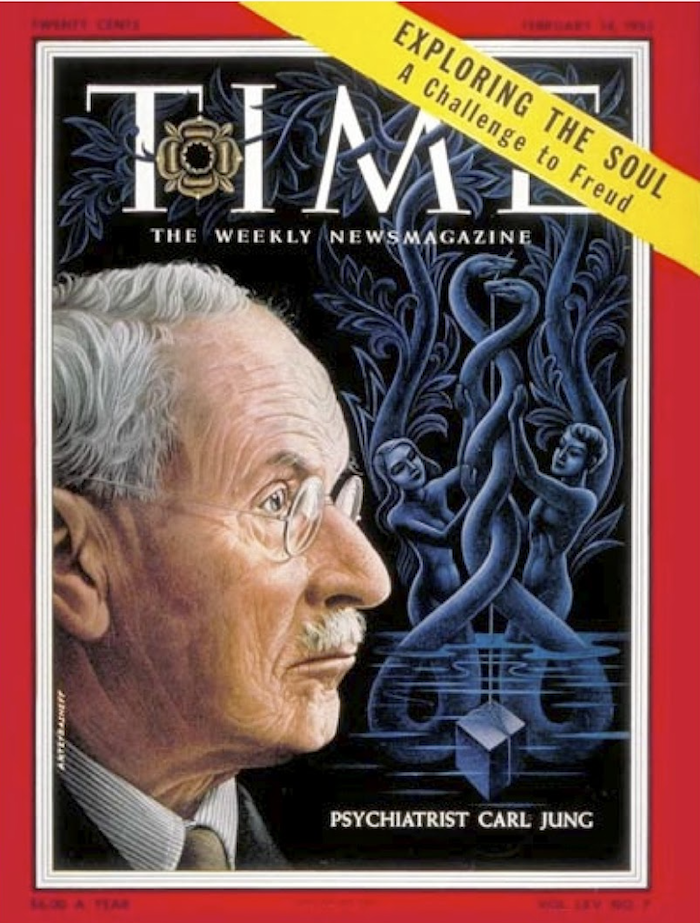
If we apply this idea to stories, what we may say is a Protagonist is tasked with getting in touch with and embracing all aspects of their psyche. If they don’t, the story universe itself forces them to.
In other words, the story you write about your Protagonist is in some ways predestined, the specific combination of the character’s psyche and life circumstances creating a synergy between how they have been living and who they are supposed to be in relation to the story universe which creates events that compel the character to move from Disunity to Unity.
In Aliens, Ripley was predestined to confront the aliens again to deal with her trauma and intersect with Newt to experience the meaningfulness of being a mother, an opportunity she had lost in the first chapter of her life saga.
In Inception, Cobb was predestined to go through everything he did with the implantation of the idea in Fischer’s mind in order to resolve his relationship with Mal and finally be able to reunite with his children.
In WALL-E, the little robot is predestined to go on its hero’s journey in order to find and save a connection with another being [EVE] and through those efforts help human beings reconnect with their home planet Earth.
In Braveheart, Wallace is predestined to fight and die, his life and martyrdom inspiring the Scots to gain their freedom and Wallace to reunite with his wife who had been murdered.
This principle extends to stories in which the Protagonist does not change, but changes others. In Forrest Gump, perhaps the ultimate story of predestination, Forrest moves from one preordained event to another, changing history at each turn, and specifically impacting the lives of Lieutenant Dan and Jenny, resulting in Forrest’s ultimate role: Father to Forrest, Jr. Indeed, the use of a feather is a metaphor for Forrest’s destiny:

As writers, the choices we make about characters mean that the story we tell about them is the only one we can craft. That story is endemic to that character. The story universe calls the Protagonist to an adventure, a unique destiny of metamorphosis moving from Unconscious to Conscious, Want to Need, Disunity to Unity.