The Coen Brothers and the Long Shadow of Authority Figures
If there is one thing about the craft writers hear ad nauseam, it’s this: There is no drama without conflict. And there is no story without…
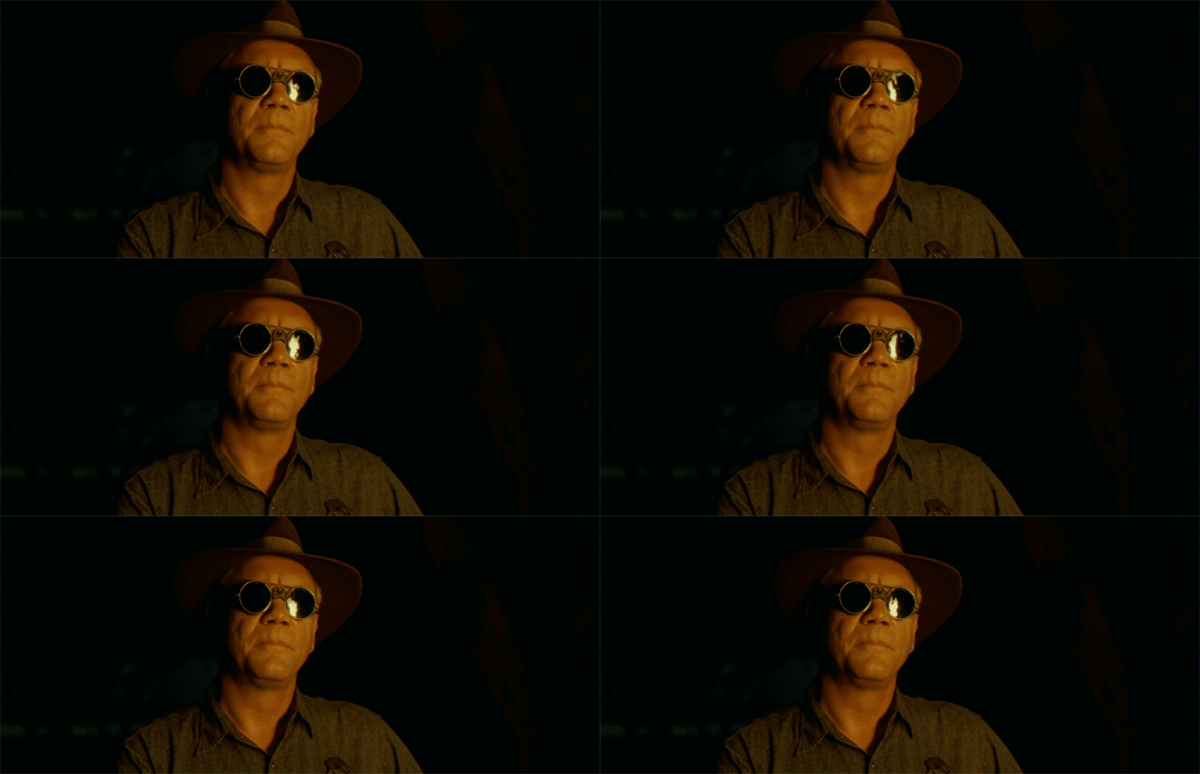
If there is one thing about the craft writers hear ad nauseam, it’s this: There is no drama without conflict. And there is no story without drama.
But why is conflict innate to drama and at the foundation of good storytelling?
· Conflict generates tension: Whether the nature of the conflict is internal or external, as long as it is unresolved, it puts characters — and by extension script readers — into a state of stress and apprehension.
· Conflict reveals character: A character can be the source of conflict or its object, but how they respond opens a window into their inner self.
· Conflict impacts plot: Whether the conflict is a big event in the External World or a tiny moment in a character’s Internal World, it can alter the course of the narrative.
· Conflict instigates transformation: Over a sustained period of time, conflict can incite a character to go through a metamorphosis, even to the point of steering the direction of their personal transformation.
· Conflict creates entertainment: For whatever reason, people are fascinated by conflict, and thus find it compelling in stories.
In addition to these, let’s note that there are different kinds of conflict:
· There is conflict that is personal, a battle of emotions and feelings in the inner world of a character.
· There is conflict that is interpersonal, the crashing together of wills and goals between various characters.
· There is conflict that is situational, whereby characters find themselves in a tense set of circumstances.
· There is conflict that is local, physicalized within a small, confined area.
· There is conflict that is global, beyond the sphere of a specific location.
In their movies, Joel and Ethan Coen explore multiple types of conflict. One worth analyzing is that which is created by this character type: Authority Figure.
The Long Shadow of Authority Figures
If you think about it for a moment, you realize how many characters there are in Coen brothers movies that are somehow connected to the law:
Cops: The Big Lebowski, Raising Arizona, Miller’s Crossing, Barton Fink, Fargo, O Brother, Where Art Thou, The Man Who Wasn’t There, No Country for Old Men, A Serious Man, True Grit
CIA agents: Burn After Reading
FBI agents: Raising Arizona,
U.S. Marshall: Burn After Reading, True Grit
Private detective: Blood Simple.
In addition, there are other characters in a variety of positions of authority: Parole Board (Raising Arizona), Mayor (Miller’s Crossing), CEO (The Hudsucker Proxy), Governor (O Brother, Where Art Thou), Embassy officials (Burn After Reading), Rabbis (A Serious Man).
On the one hand, this makes sense because many of the Coens’ movies involve characters who break the law, so there would be policemen and the like emerging organically due to the machinations of the plot.
But the presence of so many of these type of characters points to a dynamic common to some Coen brothers movies: Using authority figures to create conflict, both in the External World of the plot and the Internal World of the Protagonist’s psyche.
Let’s look at three movies to explore these ideas.
O Brother, Where Art Thou
Here is an IMDB plot summary:
Ullyses Everett McGill, sick of breaking rocks in the heat of a Mississippi summer, escapes with his two dim accomplices, Delmar and Pete. Trying to reclaim a buried treasure before its lost forever underneath a lake, the three make their way to Everett’s homestead. Along the way, they meet a contriving one-eyed Bible salesman, a blind prophet, a trio of sexy sirens, and a man who sold his soul to the devil. In their race to reach the treasure before it’s flooded, they end up crashing a Ku Klux Klan lynch mob, help a sensitive Baby Face Nelson rob three banks in two hours, and even have enough time to put out a best-selling record as The Soggy Bottom Boys.
As escaped convicts, Everett and cohorts are chased by an authority figure Sheriff Cooley:
· There is a frantic escape from a barn Cooley sets on fire.
· After the Sirens give up Pete to the authorities for reward money, Pete is tortured, then threatened with death by Cooley.
· Granted reprieves by the governor, the three head off to get Penny’s wedding ring so Everett can get married, but they are met by Cooley and his men, draping nooses around their necks in preparation for their hangings.
In fact, Cooley’s persona takes on a supernatural aura for when the trio meets Tommy, he recounts how he sold his soul to the devil in order to play the guitar. His description of Satan — “He’s white as you folks, with mirrors for eyes an’ a big hollow voice an’ allus travels with a mean old hound” — suggests who he met was none other than Cooley.
This dynamic is underscored by a line Cooley offers when he’s got the three men set to hang: “Well, the law is a human institution,” suggesting his law [not human] is otherwise.
Fortunately for Everett and pals, just as they are about to die, fate intervenes with the flood caused by damming the river, which conveniently resolves the external conflict between Everett and Cooley.
Barton Fink
Here is an IMDb summary of the plot:
Barton Fink is a troubled New York playwright obsessed with bringing his new idea of “Theater of the Common Man” to the producers he loves to hate. After his first budding success his agent convinces him to travel to Los Angeles to write for Capital Pictures. When he arrives he checks into the dark Hotel Earle and meets with Capital Pictures President Jack Lipnik, who tells him of the movie he’s writing: a B-Movie wrestling picture for Wallace Beery. Fink travels back to his hotel room to begin, but when he arrives he types one sentence and then falls into the horror of writer’s block. He tries getting help from his neighbor, “Common Man” Charlie Meadows; famed writer Mayhew; Mayhew’s girlfriend Audrey and producer Ben Geisler. But as Fink drifts further away from his script strange things start happening, and eventually two detectives show up at his door…
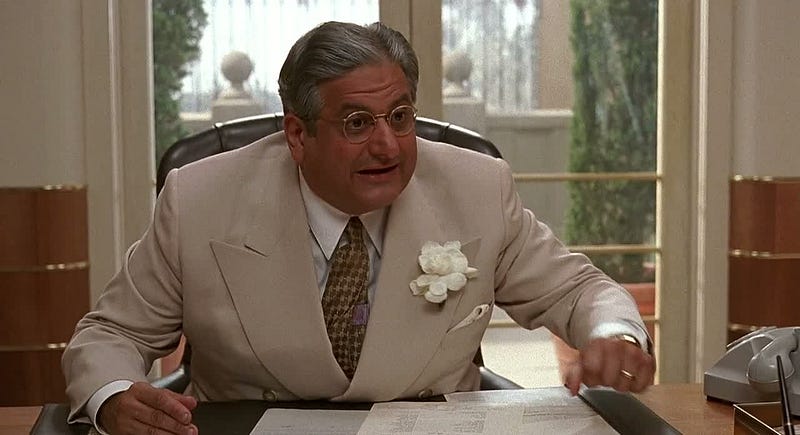
Protagonist: Barton. And the authority figure in question is Jack Lipnik , so much so, he eventually takes to wearing a military uniform when he’s in his Hollywood office.
He is Barton’s boss, the guy cutting Barton’s paycheck, so there’s that pressure. But there’s more. Barton may have his own creative vision, but so does Lipnik which he sums up aptly here in authoritative fashion:

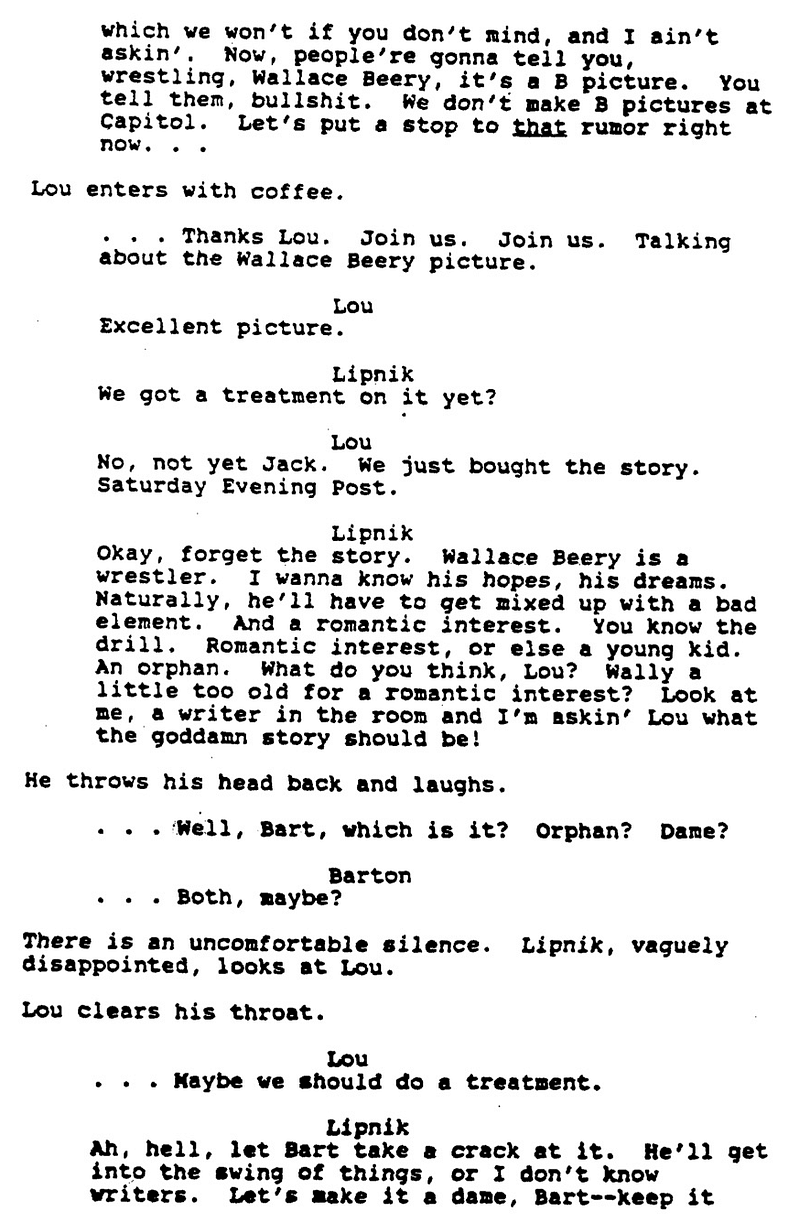
They have two more scenes together. Their second interchange takes place at Lipnik’s palatial home where Barton is unable to pitch his take on the wrestling movie, but Lipnik doesn’t press him out of respect for the writer’s creative process. The final scene is the penultimate one in the movie where Lipnik, adorned in his military regalia, passes on Barton’s script: “This is a wrestling picture; the audience wants to see action, drama, wrestling, and plenty of it. They don’t wanna see a guy wrestling with his soul.” When Barton tries to salvage his script — “I tried to show you something beautiful,” Lipnik blows up:
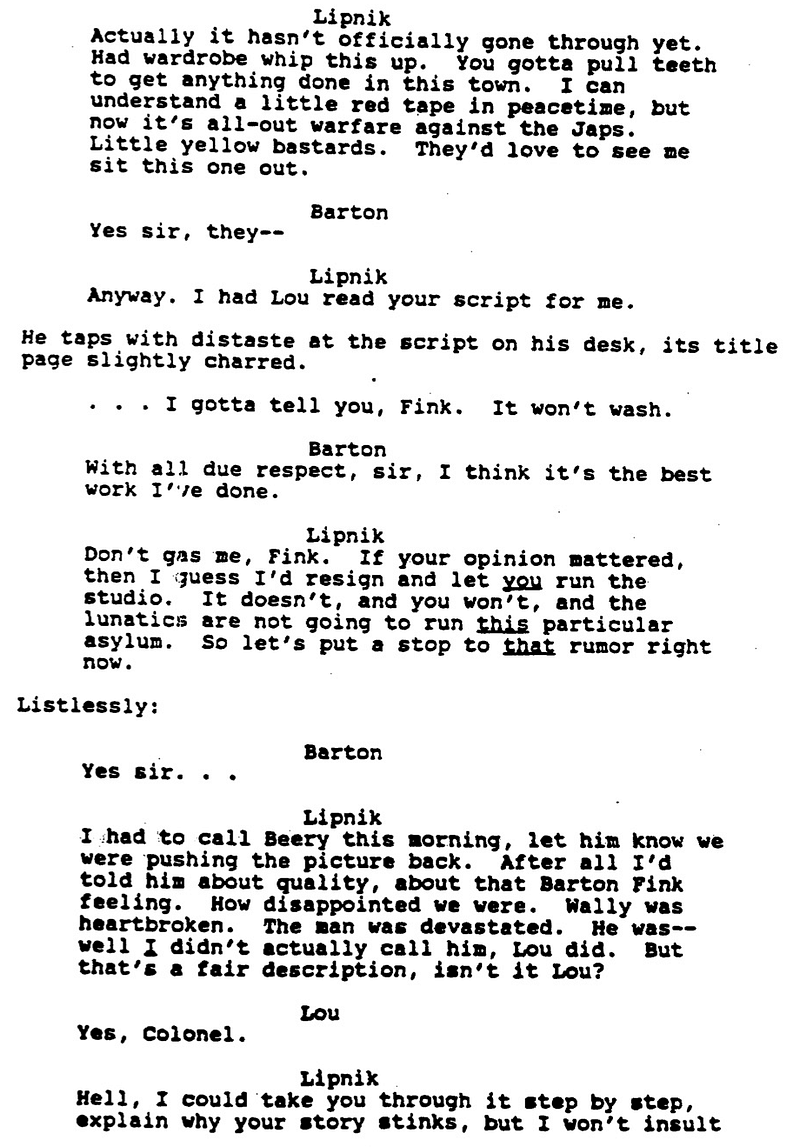
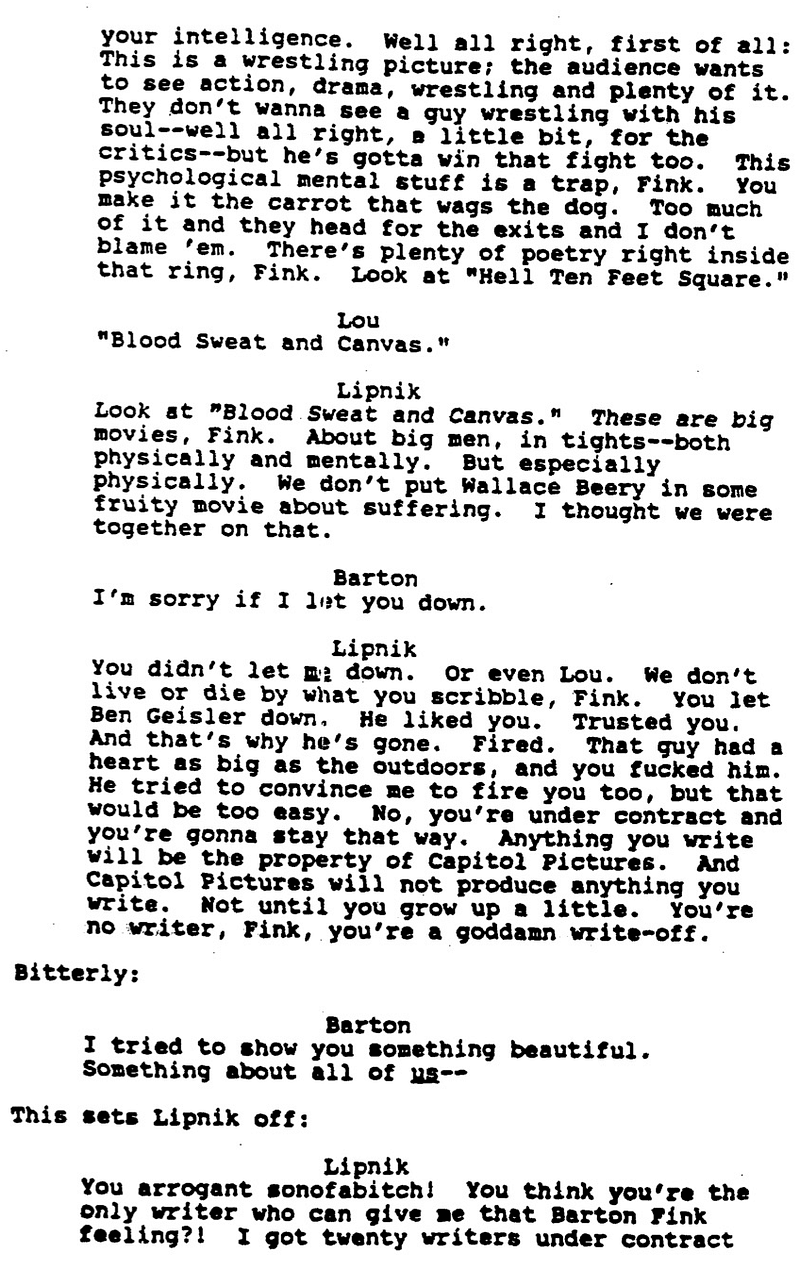
Just three scenes, but Lipnik’s character casts a long shadow, a relentless looming pressure of expectations that leads directly to Barton’s writer’s block and sets into motion every other choice he makes.
Miller’s Crossing
An IMDb plot summary:
It’s Prohibition era 1930s as gang wars tear apart the city of gang lord Leo and his lieutenant Tom Regan. Tom is upset when Leo declines underling Johnny Caspar’s request to kill the crooked Bernie. Despite Tom’s objections, Leo thinks he made the right decision because Bernie is Verna’s brother and Verna is Leo’s girl. Unfortunately, Caspar seems to be growing in power and just when Leo needs Tom’s help most Tom admits he’s been fooling around with Verna. Tom is thrown out of Leo’s mob and with nothing else to do he decides to join Caspar. But Tom is also talking to Bernie and Verna, and Caspar’s ruthless henchman Eddie Dane starts to get suspicious. His suspicions rise when Tom is ordered to kill Bernie himself, but no one knows whether or not Tom carried out the order. Leaving Caspar searching for his desired power, Dane searching for answers, Verna searching for her brother and Tom searching for his own heart… if he has one anymore.
There are actually two authority figures in Tom’s life: His boss Leo and the rival Caspar.
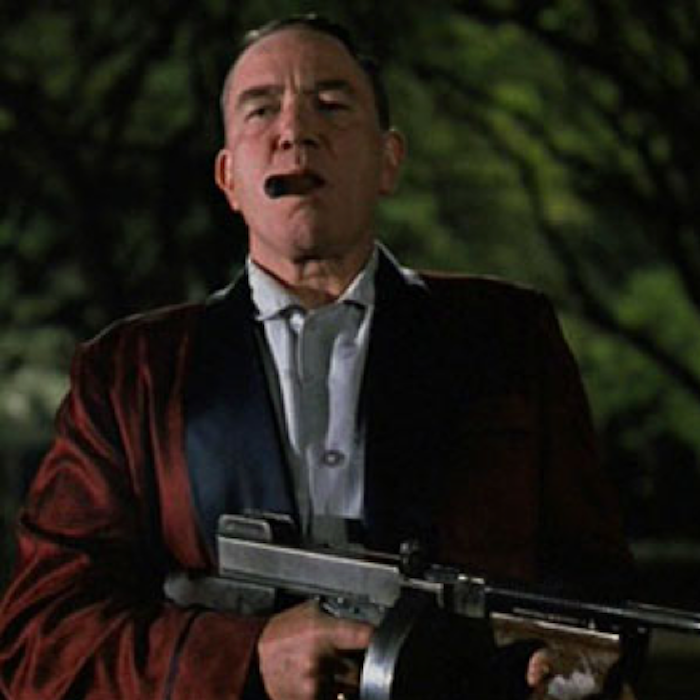
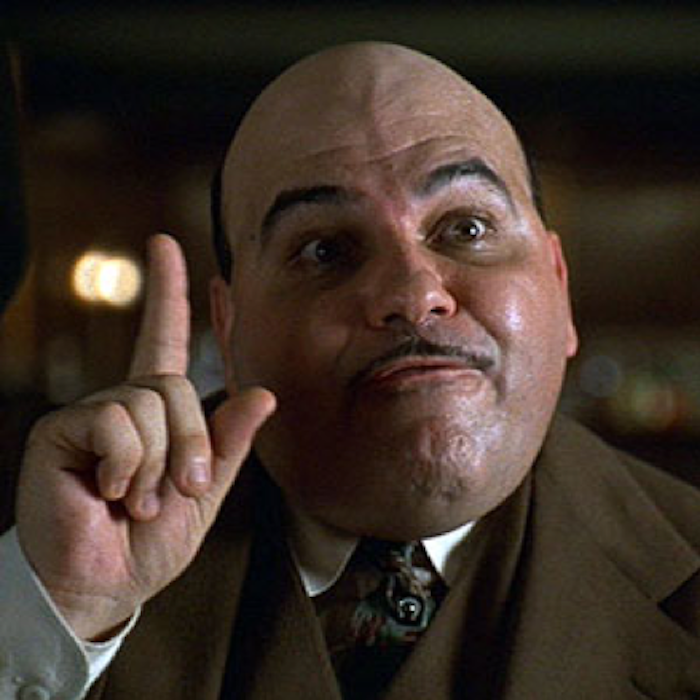
Leo relies on Tom for advice and thus needs him. Caspar’s goal is replace Leo, so he wants Tom on his side. Thus, Tom is stuck in the middle between two characters who are more powerful than he and in very real ways control Tom’s destiny.
Tom has managed to survive life in the underworld by doing one thing: Keeping his head. That’s why he is Leo’s trusted adviser — because of his smarts. The story kicks into gear when Leo rejects Tom’s advice about Bernie. In that moment, Leo makes a decision based on his feelings, his romantic attachment to Verna overruling the logical choice which would be to fulfill Caspar’s demand that Bernie be killed.
That sets everything into motion eventually leading Tom to several key tests, precipitated by both of these authority figures in his life.
Authority Figures and Internal Conflict
Each of these movies demonstrates how an authority figure can generate conflict in the External World: their actions creating situations which put the Protagonist under considerable pressure. But there is in each story a related internal conflict.
· In O Brother, Where Art Thou, Cooley is an ever-present reminder of Everett’s checkered past, that he has not proven to be “bona fide” to Penny, that he is a criminal. The fact he has not changed is made clear when he makes his desperate plea to Penny saying, “I got big plans… I’m gonna be a dentist! I know a guy who’ll print me up a license!”
Inner Conflict: Husband vs. Con-Man
· In Barton Fink, Lipnik represents the economics of movies, and while he may claim his studio does not make “B movies,” in fact that’s precisely what they do. This in contrast to Fink’s aspirations to write noble, uplifting stories about the common man.
Inner Conflict: Art vs. Commerce
· In Miller’s Crossing, both Leo and Caspar are authority figures who come under the sway of their passions — romance, jealousy, pride, greed — all of which influence the choices they make. Conversely Tom has managed to carve out his niche relying on his brains, doling out advice based solely on logic. When for once Tom acts out of compassion, sparing Bernie’s life, that’s when things spiral downward.
Inner Conflict: Head vs. Heart
Authority figures can impact a story’s plot, but they can also provide a direct conduit to another character’s inner conflict.
Final Thoughts
If conflict is so important to a story’s success, one obvious way to create it is to set up a character in a position of authority over the Protagonist. The authority figure can put pressure on the Protagonist by functioning as an ‘enemy,’ either an actual Nemesis or a Trickster who tests the Protagonist.
Bear in mind that an authority figure can be any character who holds some sort of power or sway over another.
In The Big Lebowski, Walter holds a power position over Donny by virtue of his girth and mouth (“Shut the fuck up, Donny”).
In Fargo, Wade Gustafson holds a power position over his son-in-law Jerry because of his wealth, standing in the community and being the father of Jerry’s wife.Coen
“The Man Behind the Desk” is one way the Coens refer to authority figures in their movies. If you go through the entire roster of Coen written and directed films, it’s possible to recall a man behind a desk in almost every single film.
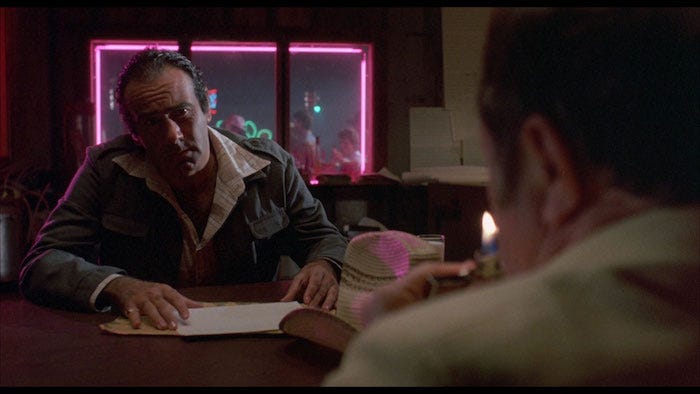

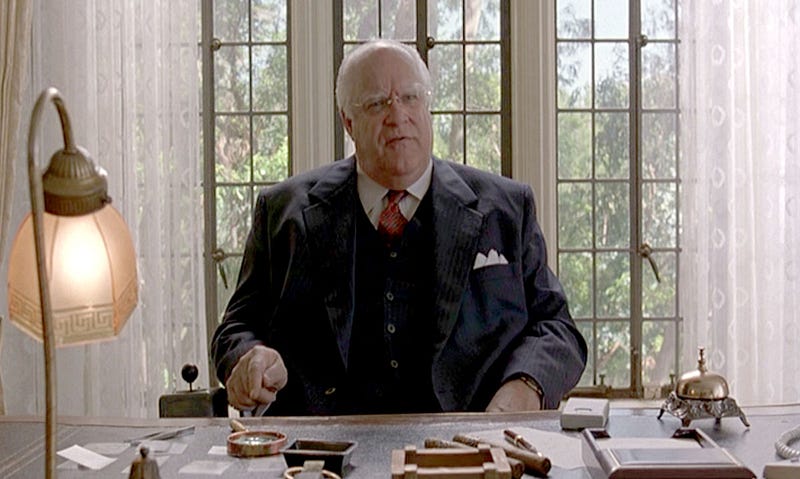
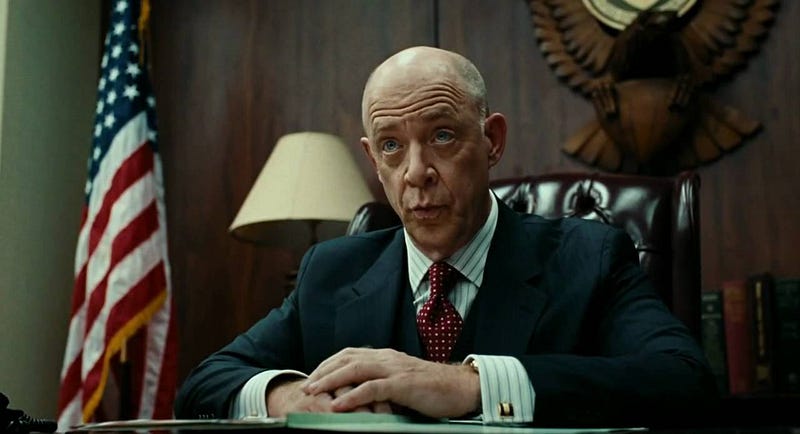

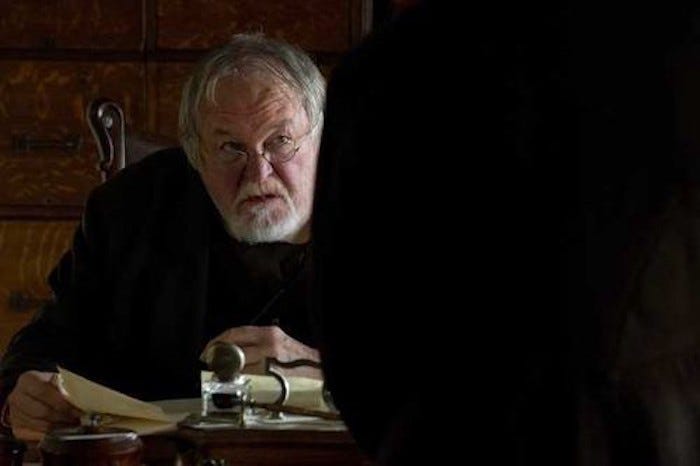
It’s interesting that in their last movie Hail, Caesar!, they feature a man behind a desk who is in a position of authority, but instead of being a Nemesis, he (Eddie Mannix) is the Protagonist.
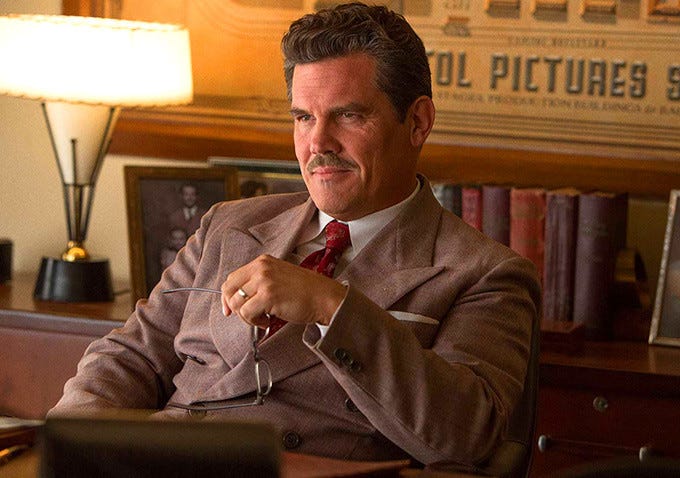
But largely, the Man Behind the Desk is an opposition character.
What does this say about the Coens? I think they have a fundamental mistrust of authority. Mary, as you noted in your observations re Hudsucker, it’s right there front and center. But we see it over and over again. In fact, we can even see it in the way they have approached their filmmaking process, staying away from studio movies (after Hudsucker) so they can do whatever the heck they want and not have to worry about any ‘overlords’.
Takeaway: Look for the use of authority figures in your projects to create and sustain conflict… and for ways for your Protagonist either to subvert their authority… or lose to it.
Next month, I will be teaching my popular online course Coen Brothers and the Craft of Storytelling. If you’re a fan of the Coens, I highly recommend it. I’ve done a ton of research and analysis, and come up with several narrative dynamics the Coens use in their movies over and over. We can use those same dynamics in our own writing. The class begins December 5, 2022.