The Business of Screenwriting: Who do I have to **** to get off this project?
This may be a Hollywood urban legend. I first came across it back in the late 80s with the specific name of a screenwriter about a specific…
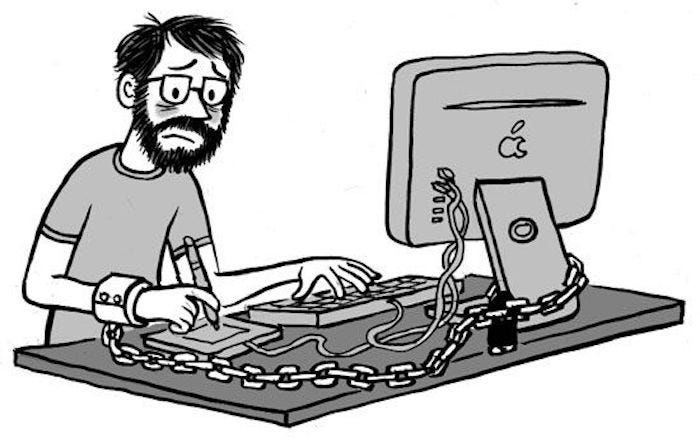
This may be a Hollywood urban legend. I first came across it back in the late 80s with the specific name of a screenwriter about a specific actor on a specific movie. But I’ve also seen it subsequently used with different names and projects. Even if it is not factually true, there is an experiential truth in the story that aspiring screenwriters would do well to consider.
Here is the version I heard: A screenwriter gets a deal at a major movie studio. They move into an office on the lot. In going through the office desk, they find a typed letter stuffed in the back of a drawer, evidently from the previous occupant. They unfold the letter and read it:
The letter is from a screenwriter.
The screenwriter has written the letter to a key player on a movie project while it is in production.
The movie features two well-known stars.
The screenwriter is rewriting the script during production.
The central point of the letter boils down to the fact the screenwriter has been put into a position where they are constantly rewriting pages to try to satisfy the ever changing whims of one of the stars.
Furthermore the star in question is being a total, unrelenting asshole.
In sum, the screenwriter feels like they are stuck on a project in rewrite Hell with no end in sight, forced to endure the daily vicissitudes of a flaming egomaniac.
The letter ends with this plaintive plea: “Who do I have to fuck to get off this picture?”
Let’s just set aside the issue of the letter’s historical veracity. The reality is if you work as a screenwriter or TV writer in Hollywood, at some point you will almost invariably end up slogging through some version of a similar project from Hell.
An example: I remember a conversation I had with a screenwriter where he described being on set (well, not actually, he was sequestered in a hotel room the entire time during production) for a movie shoot. The writer’s experience was a nightmare. The lead actors in the movie hated each other, the director hated them, they hated the director, everybody hated the producer who was ostensibly the peacemaker during production. That left the poor screenwriter. He not only had to write and rewrite pages under relentless deadlines and intense pressure, he also ended up functioning as a de facto shrink, meeting with various key members of the production, one after the other — the director, producer, actors — in the screenwriter’s hotel room, conveying messages back and forth while delicately handling inflamed egos.
Of course, the movie went on to become a #1 box office hit. For the screenwriter? He figured the experience had knocked a year off his life.
What is the takeaway? Writing in the movie and TV business can be a wonderful experience with lots of terrific perks. You can make a lot of dough. Work on interesting projects. Meet fascinating people. Heck, you can even ply your trade pounding out pages on your MacBook Pro while sitting poolside with a bottle of Chivas 18 at your beck and call.
But there’s a shadow looming: A troubled project in which you may find yourself stuck in the middle, day after excruciating day called on to be creative in the midst of a Hollywood version of insanity, slogging your way through successive levels of a miasma with no perceivable end in sight.
At some point, despite the perks, the money, and whatever intangible buzz that goes along with being a Hollywood screenwriter, it is entirely possible the thought may cross your mind, perhaps even seize your soul that the only way out is for you to be willing to exchange precious bodily fluids with a partial or complete stranger.
Then you will realize an even harsher truth: There is nobody you can **** to get off the project.
You just have to write your way through it.
The Business of Screenwriting is a weekly series of GITS posts based upon my experiences as a complete Hollywood outsider who sold a spec script for a lot of money, parlayed that into a screenwriting career during which time I’ve made some good choices, some okay decisions, and some really stupid ones. Hopefully you’ll be the wiser for what you learn here.
For more The Business of Screenwriting posts, go here.