Sundays with Sidney Lumet’s “Making Movies”
A weekly series featuring reflections on filmmaking by one of the truly great movie directors.
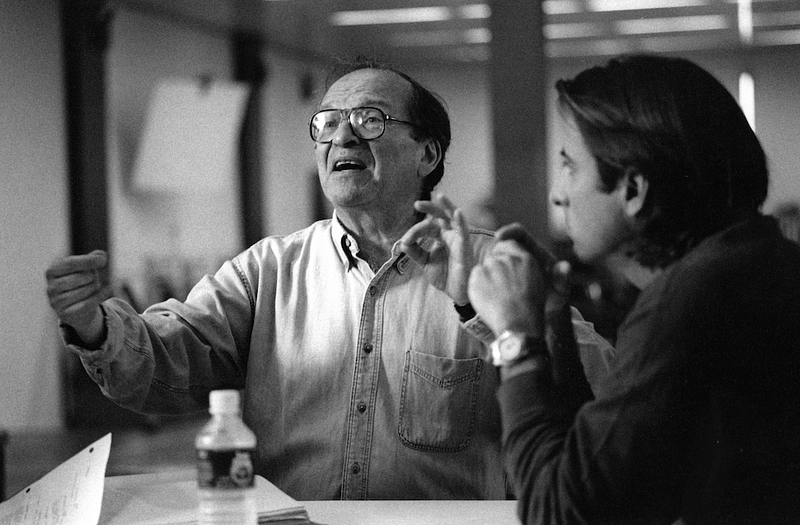
A weekly series featuring reflections on filmmaking by one of the truly great movie directors.
Roger Ebert said this about Making Movies: “It has more common sense in it about how movies are actually made than any other I have read.” That alone is enough reason to read this book authored by Sidney Lumet.
Known as an actor’s director, Lumet directed 17 different actors in Oscar-nominated performances: Katharine Hepburn, Rod Steiger, Al Pacino, Ingrid Bergman, Albert Finney, Chris Sarandon, Faye Dunaway, Peter Finch, Beatrice Straight, William Holden, Ned Beatty, Peter Firth, Richard Burton, Paul Newman, James Mason, Jane Fonda and River Phoenix. Bergman, Dunaway, Finch and Straight won Oscars for their performances in a Lumet movie.
Among his filmmaking credits are such stellar movies as 12 Angry Men, The Pawnbroker, Serpico, Dog Day Afternoon, Network, Equus, Prince of the City, The Verdict, and Running on Empty. He also has five screenwriting credits including Q&A and Night Falls on Manhattan.
As I’ve done with Sundays with Ray Bradbury and Sunday’s with Stephen King’s “On Writing,” I will work my way through Lumet’s book focusing on insights applicable to the craft of screenwriting.
Today: From “Making Movies,” Chapter 3: Style: The Most Misused Word Since Love, pp. 49–50.
Discussions of style as something totally detached from the content of the movie drive me mad. Form follows function — in movies, too. I realize there are many works of art that are beautiful they need no justification. And maybe some movies wanted nothing to be beautiful, or to be just a visual exercise or experiment. And the results might be highly emotional because they were only supposed to be beautiful. But let’s not start using highfalutin terms like “ideal, visual technique of tragedy.”
Making a movie has always been about telling a story. Some movies tell a story and leave you with a feeling. Some tell a story and leave you with a feeling and give you an idea. Some tell a story, leave you with a feeling, give you an idea, and reveal something about yourself. And others. And surely the way you tell that story should relate somehow to what that story is.
Because that’s what style is: the way you tell a particular story. After the first critical decision (“What’s this story about?”) comes the second most important decision: “Now that I know what it’s about, how shall I tell it?” And this decision will affect every department involved in the movie that is about to be made.
My taste in directors gravitates toward filmmakers who think like this: The directing should service the story. Period. Filmmakers like Lumet and Wilder. They respect the written word. They have faith in the actors they cast. They decide how a scene should look. They set the camera. And they let the actors act. They don’t approach style in a way which says to the viewer, “Hey, look at me the director,” but rather approach style like how Lumet describes it: “the way you tell a particular story.”
Granted, there are great directors who do amazing work with visual storytelling such as Kubrick, Scorsese, and Spielberg, but at their best never to the detriment of the story.
That said, the very first architect of the visual style of a movie can be the screenwriter. The descriptions we use … transitions between scenes … how we enter and exits scenes … the way we break up scene description so they suggest individual camera shots … all of that is our opportunity to “direct” the movie on the page. Compare:
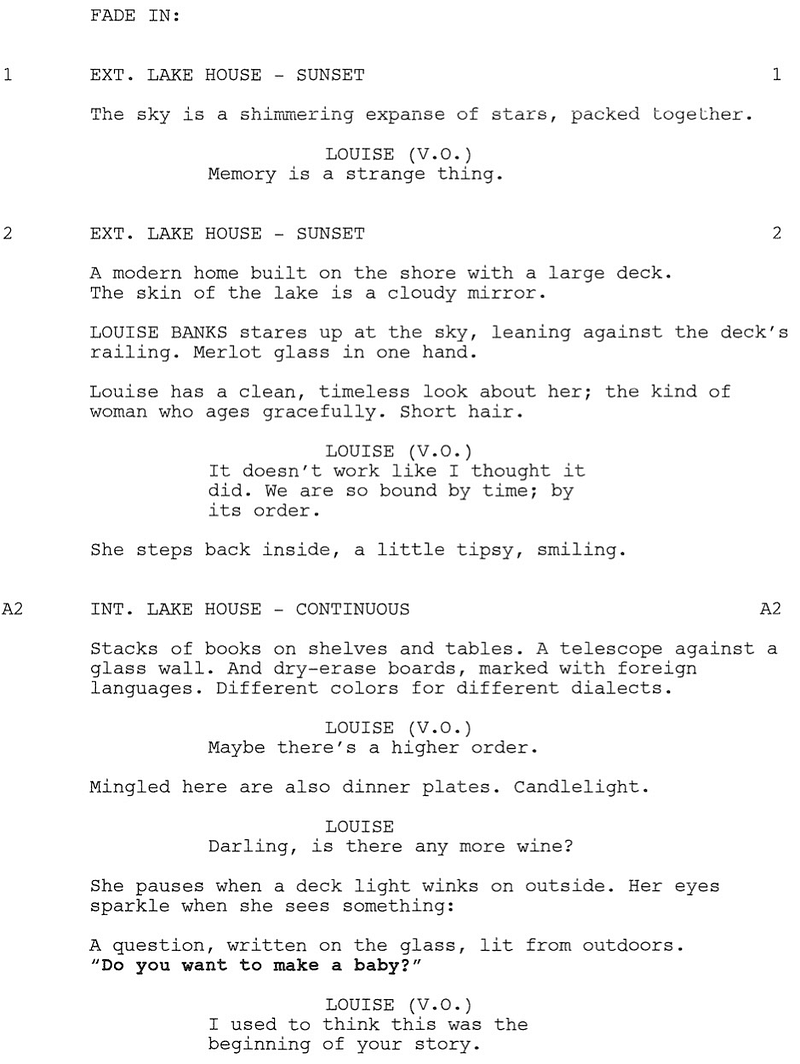
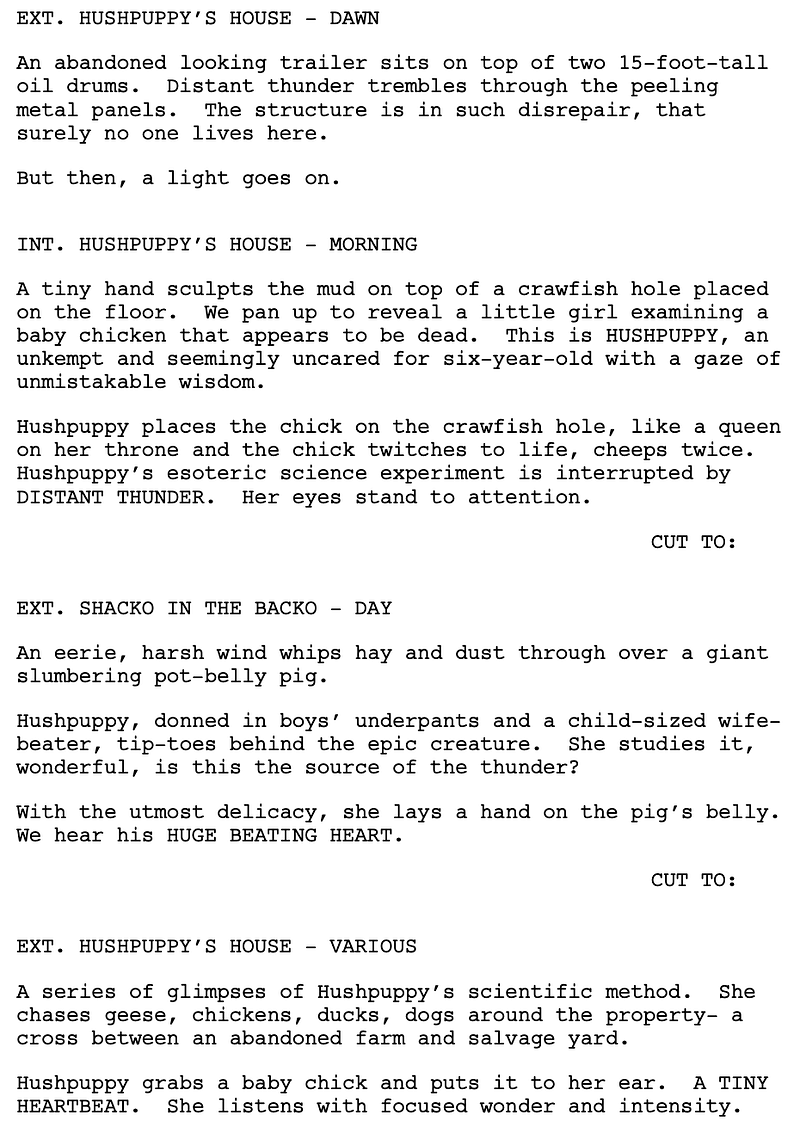
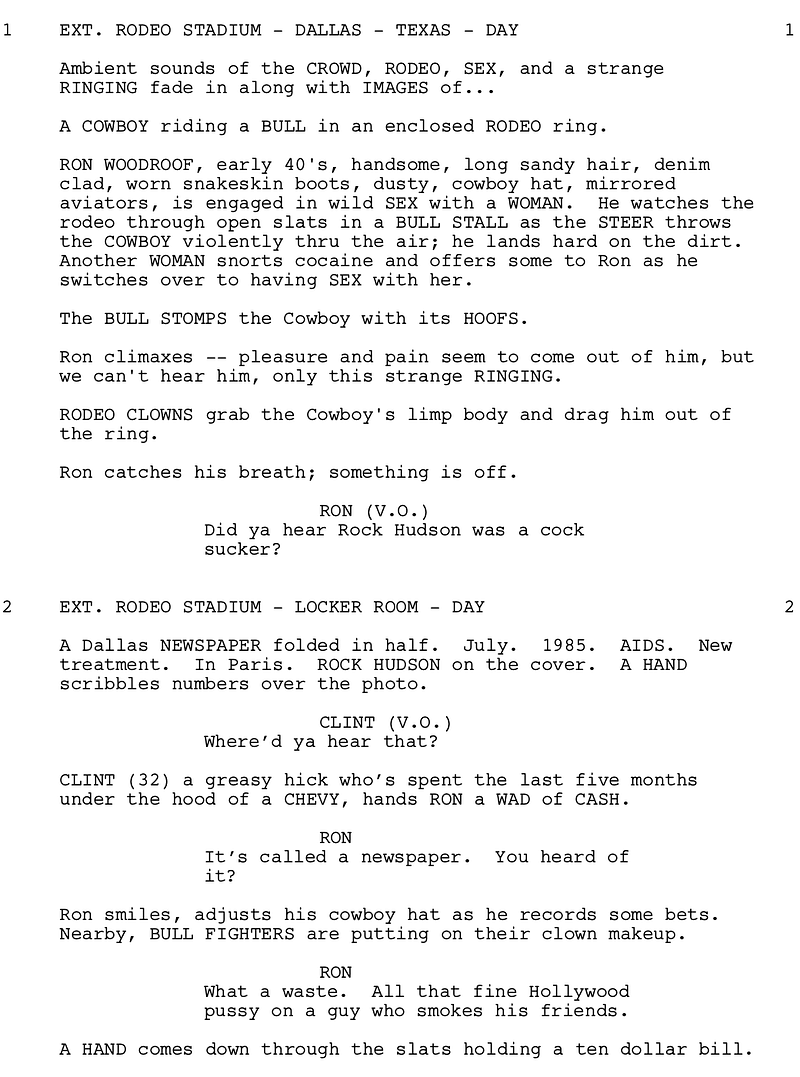
Each suggesting a different style reflecting the tone of the story.
Obviously, the director then comes onto the project and determines the visual style they feel best works for the project. But screenwriters get first crack at it and — hopefully — can feed that part of the filmmaking process.
Come back next Sunday for more of Lumet’s thoughts on story and working with screenwriters.
For previous installments, go here.
For more background on Sidney Lumet’s filmmaking career, go here.
To purchase my book The Protagonist’s Journey: An Introduction to Character-Driven Screenwriting and Storytelling, go here.