Subplots: Part 6
A series on a critical narrative element in any screenplay.

A series on a critical narrative element in any screenplay.
In the Prep: From Concept to Outline class I teach, we spend a lot of time talking about and developing subplots. In fact, as part of each writer’s learning experience in the online workshop, I direct them to a set of Go Into The Story posts I’ve written over the years on the subject.
The other day, I read through each of those posts, some of them stretching back to 2008, and it’s interesting to see the evolution in my thinking. Over time, I’ve come to adopt another screenwriting principle:
Subplot = Relationship.
What I propose to do each day this week is re-post my original articles, taking the opportunity to clean them up a bit, and as we go through each one, consider the deeper implications of the above principle.
Today: Subplots, Relationships and Character Functions in the movie The Social Network.
In The Social Network, Sorkin uses several subplots. Here are four of them, each tied to a specific relationship with the story’s Protagonist Mark Zuckerberg:
- Winklevoss (Nemesis): Zuckerberg’s want is to create Facebook and see where it goes. The Winklevoss twins and their lawsuit stand in opposition to Zuckerberg’s goal, posing a threat to his plans.
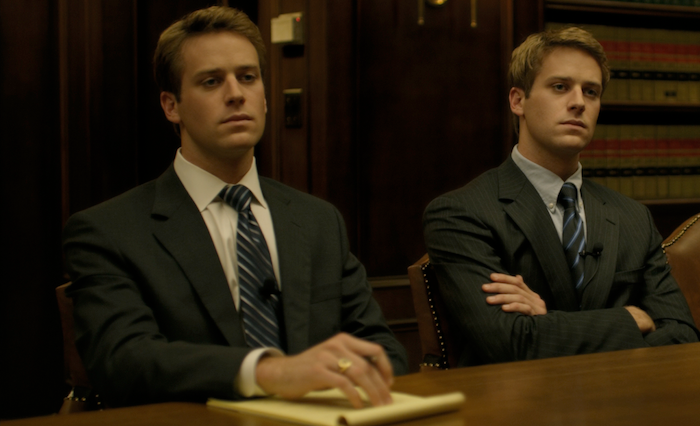
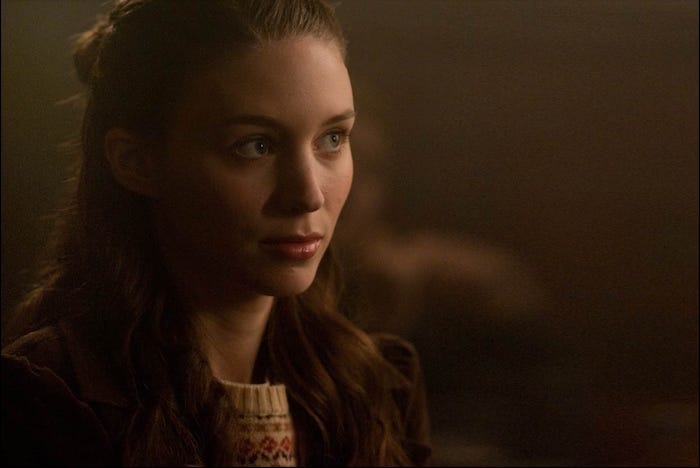
- Erica (Attractor): No matter how difficult it is to like Zuckerberg, he actually does have a heart. And despite how poorly he treats Erica, he has some sort of emotional connection with her.
- Saverin (Mentor): Zuckerberg has a best friend. He uses his best friend. He betrays his best friend. His experience of that seems to suggest — in the end — he does know what he did was wrong.

- Sean Parker (Trickster): At first Parker mimics Zuckerberg’s ideas about Facebook, he is the consummate ally. Then he manipulates the power Zuckerberg cedes him to (in effect) work against Zuckerberg’s best interests.

Each of these subplots represents a different angle into the mind and soul of the story’s Protagonist, providing multiple ways to understand and interpret the movie.
Also each of these subplots has its own Beginning, Middle and End, an important principle to remember.
How about your current story? What subplots do you have? How does each tie into the Protagonist’s psychological journey?
Remember to think of your story’s subplots as this: Relationships. It puts a human spin on a technical narrative element.
For Part 1 in the series on subplots, go here.
For Part 2 in the series on subplots, go here.
For Part 3 in the series on subplots, go here.
For Part 4 in the series on subplots, go here.
For Part 5 in the series on subplots, go here.