Subplots: Part 3
Imagine each subplot. Track each subplot’s ‘plot’. Place subplot beats in appropriate narrative ‘spots’.
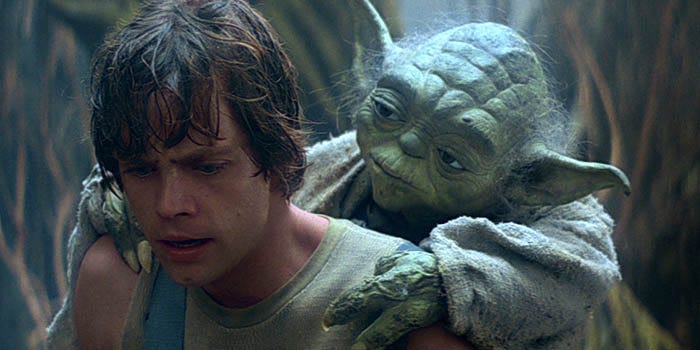
Imagine each subplot. Track each subplot’s ‘plot’. Place subplot beats in appropriate narrative ‘spots’.
In the Prep: From Concept to Outline class I teach, we spend a lot of time talking about and developing subplots. In fact, as part of each writer’s learning experience in the online workshop, I direct them to a set of Go Into The Story posts I’ve written over the years on the subject.
The other day, I read through each of those posts, some of them stretching back to 2008, and it’s interesting to see the evolution in my thinking. Over time, I’ve come to adopt another screenwriting principle:
Subplot = Relationship.
What I propose to do each day this week is re-post my original articles, taking the opportunity to clean them up a bit, and as we go through each one, consider the deeper implications of the above principle.
So how to use subplots? Here are three steps.
Step 1: Imagine each subplot
This is not as difficult as you think. Generally, what this is about is taking the cast of characters you have brainstormed and sorting out their specific story functions (i.e., Is this character a Mentor, Attractor, etc). Determining a character’s story function will point out a narrative direction for their respective subplots and inform the nature of their relationship.
Step 2: Track each subplot’s ‘plot’
Each subplot is a mini-story with its own Beginning, Middle, and End. Figure out where each subplot starts and where it ends, then brainstorm how you will get from one point to the next. To make this real easy, imagine your subplot’s ‘plot’ as four beats — Beginning, Middle I, Middle II, and Ending.
Step 3: Place subplot beats in appropriate narrative ‘spots’
Create four ‘piles’: Beginning, Middle I, Middle II, End. Take each subplot beat and put it into the correct pile. Suddenly, you realize you have all this great story stuff available to you — not only your main Plotline, but also these subplots which allow you to cut away from one character to the next, work interesting transitions to vary the pace, shift from one scene type to another, etc. Also, if the subplot in question is tied directly to the Protagonist, then you have an even more focused way to approach each subplot beat, using the model of the traditional Protagonist metamorphosis:
Beginning (Disunity) Act I
Middle I (Deconstruction) Act IIA
Middle II (Reconstruction) Act IIB
Ending (Unity) Act III
Each of the subplot beats will almost naturally have a narrative pull which ties it to the Protagonist’s metamorphosis.
As mentioned previously, subplots may consist of as few as three beats as well as many more. However, if you look at them in light of four major beats as outlined above, you will find them incredibly helpful in fleshing out your script.
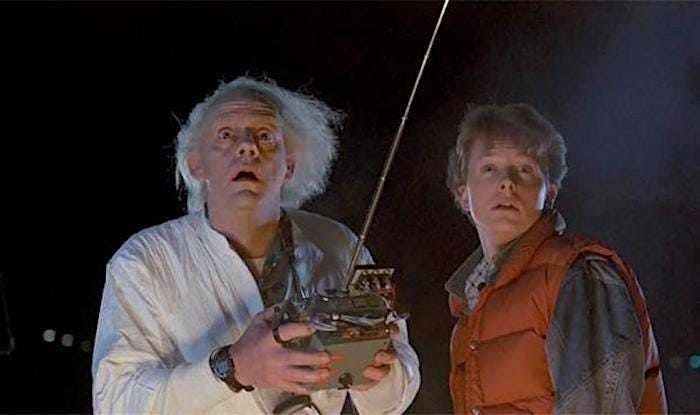
Tomorrow, a detailed breakdown of the subplots in the movie Back to the Future, a master class on the subject.
For Part 1 in the series on subplots, go here.
For Part 2 in the series on subplots, go here.