Subplots: Part 1
A series on a critical narrative element in any screenplay.
A series on a critical narrative element in any screenplay.
In the Prep: From Concept to Outline class I teach, we spend a lot of time talking about and developing subplots. In fact, as part of each writer’s learning experience in the online workshop, I direct them to a set of Go Into The Story posts I’ve written over the years on the subject.
Yesterday, I read through each of those posts, some of them stretching back to 2008, and it’s interesting to see the evolution in my thinking. Over time, I’ve come to adopt another screenwriting principle:
Subplot = Relationship.
What I propose to do each day this week is re-post my original articles, taking the opportunity to clean them up a bit, and as we go through each one, consider the deeper implications of the above principle.
Here is the very first GITS post I wrote on subplots dating back to December 1, 2008. I think it does a nice job framing the subject.
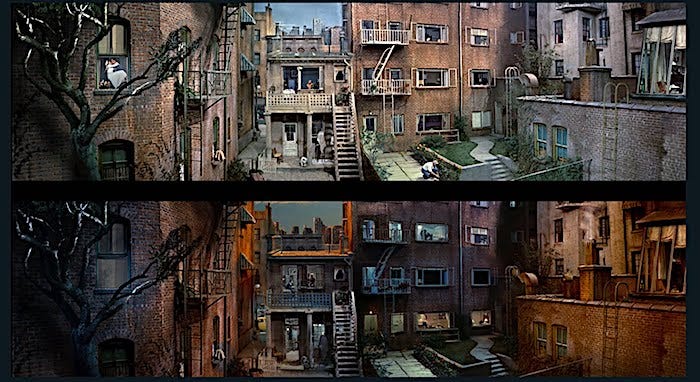
The other night, I watched Rear Window (1954) for the first time in many years. I was struck by a number of impressions this time around and one of them was how many subplots the movie has. In fact, each one of those ‘window’ dramas that James Stewart’s character observed — Miss Lonelyheart, The Songwriter, Miss Torso, Sculpting Neighbor With Hearing Aid, The Newlyweds — is its own subplot, related to the Plotline: Tracking what Lars Thorwald (Raymond Burr) did with his invalid wife.
And so I thought it might be of some value to talk about subplots.
Straight off: Subplots are your friends. Yes, it’s true. These wonderful little mini-plots contribute to a screenplay in many marvelous ways:
- Subplots dimensionalize your story’s primary characters
- Subplots provide a rich array of secondary characters
- Subplots expand the meaning of the story’s theme
- Subplots vary the pace of the narrative
- Subplots provide multiple points-of-view
Subplots can make comedy more comedic, thrills more thrilling, drama more dramatic, and action… well, more active.
Besides if you write a screenplay with only one plot, you will end up with a boring, one-note script, sixty pages long… if you’re lucky.
So… what’s a subplot?
A subplot is just what it sounds like: A mini-story which plays a secondary, but related role to the Plotline.
Here are some characteristics of subplots:
- A subplot must have at least 3 narrative beats (scenes or moments within scenes), but can have many more beats
- A subplot must have a Beginning, Middle, and End
- A subplot typically has a specific point or points of intersection with the Plotline
- Even if a subplot does not intersect directly with the Plotline, it must have some bearing on the Plotline.
- A subplot ought to have some connection with the story’s Themeline; if not, it is either weakly conceived and written, or unnecessary altogether.
Many of the most memorable cinematic storylines of all time have been subplots:
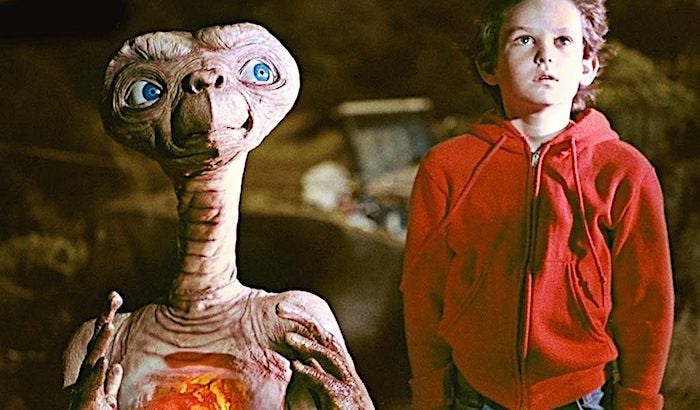
- Elliot’s friendship with ET
- Obi-Wan Kenobi teaching Luke Skywalker the ways of the Force
- Simba learning the joys of hakuna matata from Timon and Pumba
- Forrest Gump’s lifelong, bittersweet romance with Jenny
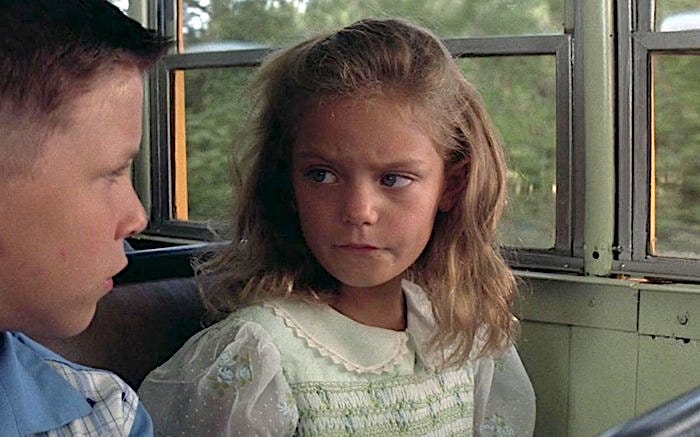
Each of these is not the Plotline, but functions as a subplot, enhancing the overall story.
Tomorrow, we’ll take a look at the subplots in three notable movies: Casablanca, Die Hard, and The Shawshank Redemption. And in Part 3 of this series of posts, we’ll dissect Back to the Future, which is an absolute master class on the subject, to see how screenwriters Robert Zemeckis and Bob Gale used subplots to help propel that story’s narrative.
In 2008, apparently I hadn’t yet hit on the principle Subplot = Relationship, but you can see from some of the examples I included in the post, it’s implied. Elliot and ET. Obi-Wan and Luke Skywalker. Forrest Gump and Jenny. Simba and Timon and Pumba. Each of those is a relationship.
So, here is the first benefit I have discovered using this principle in my own writing and teaching other writers: Whereas the terms subplot has a rather cold, formal feel to it, relationship does not. It evokes the sense of connection, communication, even kinship. When working with a story’s various subplots, instead of going about the process in a kind of analytical and calculating way, approaching the subject at a distance, if we think about each subplot as a relationship, we ground our work in the characters — who they are, how they are with each other, what they mean or don’t mean to each other, what the potential arc of the ‘couple’ may be.
In other words, we personalize the process of working with our characters and shrink the distance between us and them.
It’s a subplot, yes. But more meaningfully, it’s a relationship.
I’ll be back tomorrow to reflect on another blog post from a decade ago on the subject of subtext where we shall get a glimpse of how important they are in a story.