Some Thoughts on the Rewrite Process
In a guest post, screenwriter Tom Benedek (Cocoon) offers some reflections on the adage: Writing is rewriting.
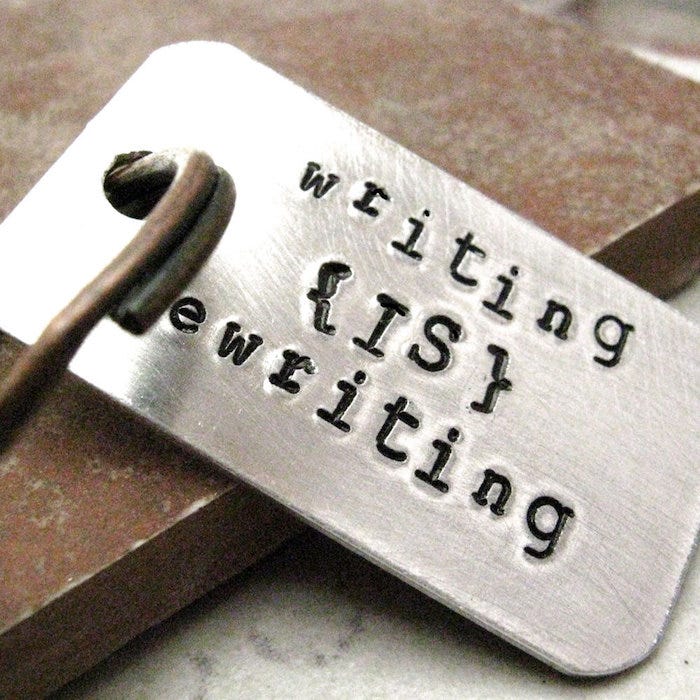
In a guest post, screenwriter Tom Benedek (Cocoon) offers some reflections on the adage: Writing is rewriting.
Personally, I enjoy rewriting. Some of the time. It’s not fun to hear criticism from friend-readers, to see glaring problems — bad dialogue, typos, thin description, incomplete characters, plot problems. But once you figure out how to solve the problems and let the critical voices quiet down, the writer in you (not the critic-story analyst) takes the helm.
As it should be. You rejoin your beloved characters and journey again with them through story. You are back inside your movie, making it better, more real, more dramatic, funnier, more suspenseful — more of whatever you intend it to be.
Once you’ve gained some momentum in the rewrite process, you see a glimmer of light. And it may appear sooner on a rewrite draft than on that first draft you labored over. If you are on the right track, if you have set the coordinates for your rewrite journey, your script will get better and each successive pass should move forward with greater and greater fluidity.
Setting those coordinates, the goals for the next draft, is a crucial phase, just as important as the actual writing. This process of problem-solving, gathering concepts to address in the rewrite, is as important as the writing itself.
Inner Critic: “This draft sucks.”
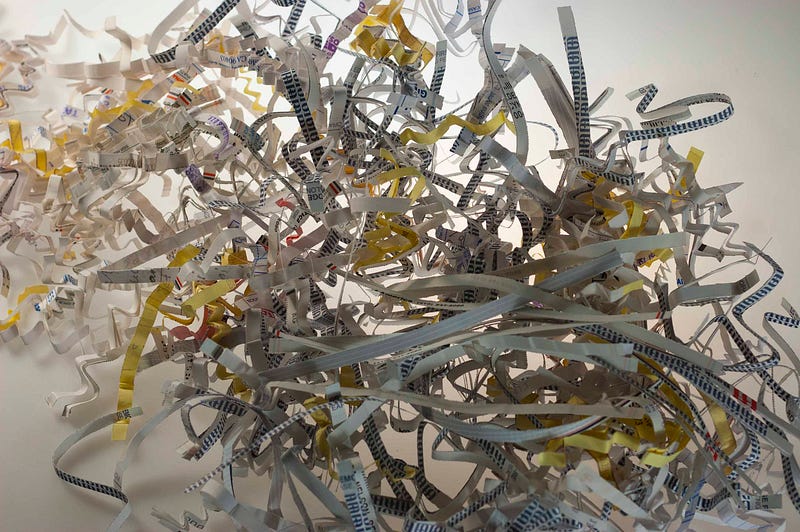
Higher Self: “Let there be rewrite.”

If you are committed to being a screenwriter, eventually you have to learn to embrace rewriting. You can hate it some of the time. But, even when it is agonizing and tough on the mind and soul, deep down you have to love it. The relationships that endure, that matter, always take hard work. You and your screenplay may have a honeymoon phase but there will always be things for you to thrash out.
The good news is: You have your story, settings, characters. Large kernels of everything you wanted your movie to be. It just needs thought, a plan, and for the writer to get back on the keyboard or pad and pen to make it great.
If you’ve already written a first draft, the best draft is close. Rewriting is THE writing. It is the fun part and the agony, THE creative process in screenwriting. Sadly, there are very few automatic writers. Most of us have to start with a rough draft before we analyze, criticize and then rewrite it at least once, maybe several times.
FACT OF LIFE:
Plot and character development may seem effortlessly embedded in the best movies, but, most probably, the writer and filmmakers carefully constructed these elements over many drafts through the rewrite process. Even with the most carefully structured beat sheet or story outline, it’s almost impossible to write the best version of the script on the first pass. There may be missing dramatic scenes, incomplete sequences, unresolved character issues and emotions that beg to be explored.
“The first draft of everything is shit.” — Ernest Hemingway
And then we rewrite.
Pages II: 10-week online rewrite workshop
Starts Monday, June 4
at Screenwritingmasterclass.com
(TV pilot scripts welcome, too)