Script Analysis: “Belle” — Scene By Scene Breakdown
Here is my take on this exercise from a previous series of posts — How To Read A Screenplay:
Here is my take on this exercise from a previous series of posts — How To Read A Screenplay:
After a first pass, it’s time to crack open the script for a deeper analysis and you can do that by creating a scene-by-scene breakdown. It is precisely what it sounds like: A list of all the scenes in the script accompanied by a brief description of the events that transpire.
For purposes of this exercise, I have a slightly different take on scene. Here I am looking not just for individual scenes per se, but a scene or set of scenes that comprise one event or a continuous piece of action. Admittedly this is subjective and there is no right or wrong, the point is simply to break down the script into a series of parts which you then can use dig into the script’s structure and themes.
The value of this exercise:
- We pare down the story to its most constituent parts: Scenes.
- By doing this, we consciously explore the structure of the narrative.
- A scene-by-scene breakdown creates a foundation for even deeper analysis of the story.
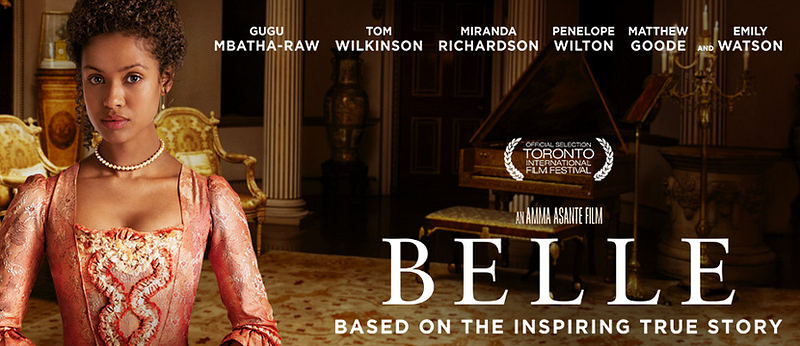
Today: Belle (2013). You may download the script here.
Belle
Scene-By-Scene Breakdown
By Dani Milton
GoIntoTheStory.com
Pages 1–2: CURRENT DAY: We see a portrait being painted of a young, blonde woman. FLASHBACK: to the year 1766. CAPTAIN SIR JOHN LINDSAY rescues DIDO ELIZABETH BELLE, a mixed race child, from the London slums.
3–9: John Lindsay implores his uncle (LORD MANSFIELD, Supreme Court justice) and aunt (LADY MANSFIELD) to take in little Dido while he continues his military service. The Mansfield family accepts and determines how they will raise Dido given her rank and race, and as a companion to her cousin of the same age, ELIZABETH, whom they are also raising.
9–11: BACK TO PRESENT (1781). Lord Mansfield shares news of Captain Lindsay’s death to a 20-year-old Dido. Her father has provided her with a generous inheritance of £2000 per year.
12–14: The family is to receive visitors for dinner. It is reinforced that Dido may not dine with the family, especially in the presence of company.
15: LADY ASHFORD (40’s) arrives for dinner with her sons — JAMES (25) and OLIVER (22). Lady Ashford mentions an appeals case Lord Mansfield is presiding over, while Elizabeth flirts with James.
16–17: JOHN DAVINIER, arrives at the family home with a letter for Lord Mansfield from his father, REVEREND DAVINIER. John and Dido briefly meet awkwardly.
18–22: After dinner, the family and guests are permitted to join Dido in the drawing room. Lady Ashford and James are repulsed by Dido’s presence while Oliver is drawn to Dido despite her race. Elizabeth vies for James’ attention. Upon Oliver mentioning that Dido is an heiress, Lady Ashford has a quick change of heart about Dido’s race. That evening, Lady and Lord Mansfield discuss whether Dido might be permitted to marry and agree that it is Elizabeth whom they should focus on, as she has no inheritance.
23–26: Dido learns that a portrait is to be painted of her and Elizabeth. Distressed, she seeks out Lord Mansfield, who is talking in his study with John Davinier. Both John and Lord Mansfield are dismissive of Dido’s terrified concern about the portrait. Eavesdropping, Dido learns that John is interested in a legal career. He mentions a current legal case before Lord Mansfield, the Zong ship. Lord Mansfield is irritated; Dido is impressed by John’s assertiveness. His father has requested Lord Mansfield tutor him in the law. Lord Mansfield asks Dido whether he should accept Reverend Davinier’s request.
27–29: In the hallway afterward, John thanks Dido for speaking neither for nor against him. Upon asking why the case is before her uncle’s court, Dido learns that the Zong was a slave ship whose slaves were drowned on captain’s orders prior to arriving in port. The conversation is interrupted by the dinner call and John learns that Dido is not allowed to dine with her family. She is very ashamed. That evening, Dido claws at her skin, wishing she could scratch away her blackness.
30–31: While riding, John and Lord Mansfield discuss the Zong case. The owners filed an insurance claim stating that the slaves were thrown overboard for the safety of the ship — there wasn’t sufficient water. John questions whether human life should have been insurable as cargo at all.
32: The Mansfield ladies observe John and Lord Mansfield talking. Dido learns that John is engaged.
33–35: Dido and Elizabeth sit for the painting. John walks by and is captivated by Dido’s beauty. She catches him looking and as he tries to rush off, catches him. She begs for more information about the Zong ship, doubtful the slaves could have been drowned as reported. He’s amazed at her ignorance and informs her that the slaves were intentionally drowned, thrown overboard while still chained together. He believes the slaves were likely diseased and worth more dead than alive. Dido is horrified. Later, we see her searching her uncle’s study for more information on the case.
36–39: Dido and Elizabeth are separately informed that the girls are headed to London for Elizabeth to “come out” (find a husband). Dido will not be coming out and will instead be relegated to taking care of the Mansfield home as a spinster, as reputable suitors are unlikely to overlook her race. Dido is devastated and asks if she is being punished. Lord Mansfield realizes she’s been looking into the Zong matter.
40: Lord Mansfield furiously confronts John; the men angrily agree to end his studies. While leaving, John questions whether the value Lord Mansfield might place on Dido, the niece he’s so preciously raised, is more or less than the £30 the insurers given to the drowned Zong slaves. Lord Mansfield forbids John from ever seeing Dido again.
41–43: The family departs for London. Elizabeth mentions wanting to fall in love with James Ashford. Dido discourages her, cautioning it will only lead to her being poor or broken hearted. Upon arrival, Dido notices a black maid, Mabel.
44–48: The Mansfield women arrive at the Ashford home. Oliver observes Dido with his father, Lord Ashford. He encourages Oliver to approach her and when he does, his brother James is disgusted. Oliver ignores him and invites Dido for a walk. As both families stroll, Lady Ashford overtly suggests a match between Dido and Oliver to Lady Mansfield. Meanwhile, Oliver declares his interest to Dido. When she asks about his brother’s disgust at her race, Oliver states he simply ignores her black, slave mother in favor of her “better half” — her white father; too bad his brother cannot do the same. Dido is deeply wounded by the summation of her mother but hides it.
48–52: Dido and Oliver run into John Davinier. Oliver asserts his rank: son of a Lord versus the son of a lowly preacher. Getting the hint, John leaves. But, when Oliver is distracted by fireworks, Dido slips away to find John. They sneak to a quiet spot. Dido apologizes for John’s tutelage ending and learns John is in London with for training with a less accomplished tutor. Dido also asks about the Zong ship. John makes it clear he does not support slavery and believes freemen and slaves are equal. He shares that he and other law students are pressuring insurance companies to stop insuring slaves on ships, and that societal change always starts with the young. Dido is overcome at his integrity and realizes he is very handsome. They accept they will likely never see each other again. As she leaves, John calls out that law students often meet at the Coaching Inn.
53–54: Oliver finds Dido and they return to the group. Lady Ashford suggests a match between Elizabeth and James, as they believe she is an heiress.
55: The Ashfords have learned that Elizabeth has no inheritance. Lady Ashford remarks that like Elizabeth, Oliver does not have any inheritance, so the match with Dido is extremely important.
56–58: Lord Mansfield arrives in London. During breakfast, Dido asks if Mabel is a slave. He states she is free, under their protection and paid properly. Dido sarcastically replies, “like me” and asks about the Zong ship. Lord Mansfield is visibly agitated in response; Lady Mansfield begs them to drop the matter. Someone mentions that John Davinier is in town and Lord Mansfield remarks Dido sounds just like him. She leaves the table in a huff.
58 -60: At court, Lord Ashford approaches Lord Mansfield and asks whether his care of Dido will sway his decision in the Zong case. Lord Mansfield reassures him. Lord Ashford then mentions sealing the bond between the Ashford and Mansfield names. Back at home, Lord and Lady Mansfield now agree Dido may marry.
61–63: Oliver proposes to Dido; she accepts. That evening, Elizabeth asks Dido if there was a message for her from James. Dido gently tells her there wasn’t. Elizabeth asks what it feels like to be engaged. Dido replies “perfect,” but seems ill at ease.
64: At breakfast, Dido thanks Lord Mansfield for relenting and allowing her to marry. Lady Mansfield says that Elizabeth is to focus full force on husband hunting for the day. Upon seeing another pamphlet on the Zong case, Dido says she’s not feeling well and will not be joining them.
65: After everyone leaves for the day, Dido slips away. A coach takes her to the… Coaching Inn.
66 -67: The driver finds John Davinier and bring him to the coach. They discuss the Zong case and Dido shows John notes she’s retrieved on the case from her uncle’s study. Grateful, John asks Dido to join him on a walk.
68: Lord Mansfield notes the house is empty. He asks about Dido; Mabel replies that she’s out with Elizabeth.
69: John and Dido walk. He catches her gazing at a painting of a black servant bowing before a white man. She’s visibly distressed. He recalls her earlier discomfort about having her portrait painted and expresses shame for ridiculing her. Dido reassures him and mentions she is doubly blessed: as a woman (with an inheritance) and as a Negro (who is not a slave). Yet, even with an inheritance, she still feels pressure to marry — like a free negro who longs for a master. She ponders whether marriage is the right step. John declares that it is, provided she’s married to an equal who truly respects her.
70–71: Dido mentions she knows nothing of her mother other than the skin color Dido received from her. John states that Dido must then know that she is beautiful. Dido is shocked; she does not consider her skin color to be beautiful. Dido and John draw close but snapping out of it, she mentions her engagement to Oliver Ashford and that Oliver equals her in rank. John implores her to know that Oliver would marry her regardless of her wealth.
72: Back home, Dido listens to Elizabeth talk about her love for James. Dido snaps that what Elizabeth feels for James is not love. Elizabeth asks just what exactly does Dido know about love. Dido does not respond.
73–76: The family is out as Elizabeth and Lady Mansfield assess suitors. Oliver and Dido are together and people remark kindly on their match, as a MR. VAUGHN approaches Elizabeth and asks to call on her. Dido and Oliver are momentarily separated when James Ashford approaches her. He says several unkind things about her race and match to his brother. He also mentions his contempt for Elizabeth, since she is poor. As Dido tries to leave, James yanks her arm, painfully. Aroused by her fearful reaction, he violently squeezes her face. James walks away to again confronts Oliver about marrying Dido.
77: Dido rejoins the group, but is obviously distressed. James then interrupts Elizabeth’s discussion with Mr.Vaughn, facetiously charming her. Watching James with Elizabeth, Dido is extremely upset.
77–78: Dido is again outside the Coaching Inn, strolling and talking with John, who discusses his engagement. It is the work of his aunt and neither party has much interest in the engagement. Talk turns to the Zong case. They are worried Lord Mansfield will rule in favor of the ship’s owners. But, if he rules in favor of the insurers and finds the ship’s owners intentionally drowned the slaves, intending to commit insurance fraud, then England’s slave laws could be nullified.
79: Dido returns home. Lord Mansfield watches as she creeps up the stairs. He steps outside to confront the carriage driver.
80–82: Dido joins Elizabeth in playing the piano. Elizabeth complains that she’s not heard from James Ashford. Dido cautions that he is not a man of his word, and offers to give Elizabeth some of her inheritance to help with a dowry. Elizabeth takes it to mean that since she will now have money, James will marry her. Dido cautions her against James’ character and mentions that he struck her. Elizabeth angrily disbelieves her and says he would never touch her, because Dido is “beneath” him. Dido challenges her to say exactly how; Elizabeth blurts out that Dido is illegitimate and that is the reason she isn’t allowed to dine with the family. Dido retorts that while her parents were unmarried, at least her father claimed her and has not left her poor, as Elizabeth’s father has. Thus Dido is not the one beneath James Ashford… Elizabeth runs off in tears. Dido slips off her engagement ring.
83: Dido sneaks away again. The carriage pulls up to the Coaching Inn. As the driver goes off to fetch John, Lord Mansfield steps into the carriage coldly. Dido trembles. The driver returns with John who is shocked to see Lord Mansfield inside. Lord Mansfield shakes with rage.
84: Lord Mansfield screams to Dido that John just wants to sully her character. As John protests, Lord Mansfield mentions his fiancée. John replies it is his aunt’s doing, despite his love for another. Lord Mansfield lunges for John and Dido physically intervenes. John yells that he loves Dido.
85–86: Dido asks John to leave, for his own sake. She tells Lord Mansfield that Sir Captain John Lindsey — her father — would never have behaved in such a way. Lord Mansfield retorts that she is destroying her chances with the only man (Oliver) who would have her — is that what she wants? Later, Lord Mansfield rages to Lady Mansfield the harm John Davinier is doing to Dido. Lady Mansfield reminds Lord Mansfield that he too was once young, driven and idealistic.
87: James Ashford’s engagement to another woman is announced. Elizabeth is heartbroken. As Dido comforts her that evening, Elizabeth mentions that she once saw Dido with John Davinier. Dido should choose love.
88–89: Lady Ashford learns Dido wishes to end her engagement to Oliver and is furious. How dare Dido back out after they decided to overlook her “unfortunate circumstances of birth.” Dido is silent until Lady Ashford goads her to speak up. Dido finally does so, confidently. She does not wish to marry into a family who will carry her as their shame — as she’s done with her mother. She leaves.
90–91: The painting is finished. We see Dido and Elizabeth painted as equals, one part black, the other white. Dido is moved as Lord Mansfield tells her it will hang in the family home. He notices she is reading and learns it is a poetry book written by a slave. Dido states it is a voice for people (slaves) who do not have one — people like her mother. Lord Mansfield asks if she identifies with that voice. Dido states she doesn’t identify anywhere. Lord Mansfield asks what more she wants — he’s enabled every rule to give her a good life. Dido asks, “but what if there wasn’t a rule?” Would she have been returned to the slums? She points out he does break conventions when it comes to his beliefs — she’s the evidence, the painting is the evidence. Lord Mansfield is moved.
92–95: As Lord Mansfield walks through a coffeehouse, he overhears arguments about the Zong case. He notices John Davinier arguing eloquently in favor of the insurers. Upon leaving, John races after him, reminding him that ruling for the slave ship means supporting a world in which Dido is worth more dead than alive. He’s seen Lord Mansfield’s notes — the ship could have stopped for water instead of killing the slaves. Lord Mansfield dismisses the notion as Dido is not a slave. John retorts, “but for the grace of God.”
95–96: Mr Vaughn calls upon Elizabeth. While the household is distracted, Dido slips away. She convinces the driver again take her out. She arrives at Westminster Hall and heads toward the court. She finds her way to John as Lord Mansfield enters with two clerks.
97–98: Lord Mansfield rules on the Zong case. “It is not legal to discharge lives from a ship into the waters to gain insurance compensation. Whether the lives of horses… or human beings…slaves or otherwise — It is not legal, neither is it right.” He finds in favor of the insurers.
99–100: John and Dido embrace, sobbing. Lord Mansfield sees them from across the court. Dido and John race back to carriage, where Lord Mansfield waits. Dido and John hold hands. Lord Mansfield reiterates that Dido must marry a gentleman. Dido angrily challenges whether John is a gentleman. Lord Mansfield agrees he is and needs to have a profession benefitting one. He will again tutor John in the law. Lord Mansfield leaves.
101: John asks if it’s true, that Dido will marry him. She says yes and that she loves him. They kiss through tears.
THE END
Writing Exercise: I encourage you to read the script, but short of that, if you’ve seen the movie, go through this scene-by-scene breakdown. What stands out to you about it from a structural standpoint?
If you’d like a PDF of the Belle scene-by-scene breakdown, go here.
Kudos to Dani Milton for doing today’s breakdown.
For 100+ movie scripts broken down scene by scene, go here.