Screenwriting Lessons: “The Social Network” — Part 4: Subplots
A five-part series exploring lessons we can glean from Aaron Sorkin’s script.

A five-part series exploring lessons we can glean from Aaron Sorkin’s script.
The Social Network won the Academy Award for Best Adapted Screenplay in 2011. It is an audacious script which breaks many so-called screenwriting ‘rules’ and thus is worth analyzing.
Today: The Social Network — Subplots.
Subplots are a screenwriter’s best friend. They help you to explore a story’s themes. They dimensionalize the story’s meaning. But perhaps most importantly, they allow you to cross cut parallel action with the Plotline creating a much more entertaining narrative experience.
In The Social Network, Sorkin uses several subplots. Here are four of them, each tied to a specific relationship with the story’s Protagonist Mark Zuckerberg:
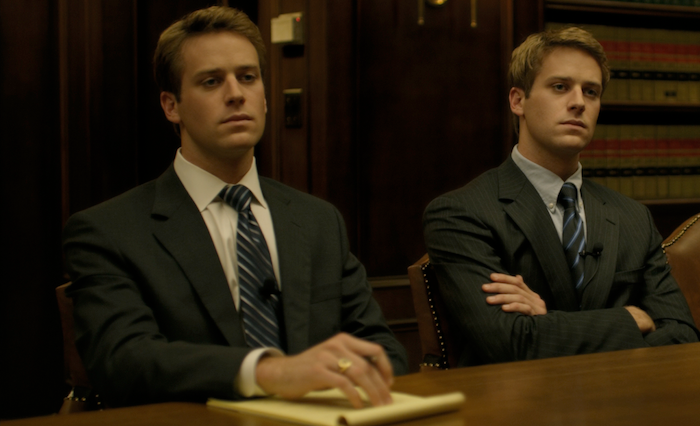
- Winklevoss (Nemesis): Zuckerberg’s want is to create Facebook and see where it goes. The Winklevoss twins and their lawsuit stand in opposition to Zuckerberg’s goal, posing a threat to his plans.
- Erica (Attractor): No matter how difficult it is to like Zuckerberg, he actually does have a heart. And despite how poorly he treats Erica, he has some sort of emotional connection with her.
- Saverin (Mentor): Zuckerberg has a best friend. He uses his best friend. He betrays his best friend. His experience of that seems to suggest — in the end — he does know what he did was wrong.

- Sean Parker (Trickster): At first Parker mimics Zuckerberg’s ideas about Facebook, he is the consummate ally. Then he manipulates the power Zuckerberg cedes him to (in effect) work against Zuckerberg’s best interests.

Each of these subplots represents a different angle into the mind and soul of the story’s Protagonist, providing multiple ways to understand and interpret the movie.
Also each of these subplots has its own Beginning, Middle and End, an important principle to remember.
How about your current story? What subplots do you have? How does each tie into the Protagonist’s psychological journey?
Part 1: Compelling Protagonist
Tomorrow: Handling exposition.