Screenwriting “Hats”: Director
When we write a screenplay, I like to think of the process as one in which we wear several “hats”. Primarily, of course, we wear our Writer…
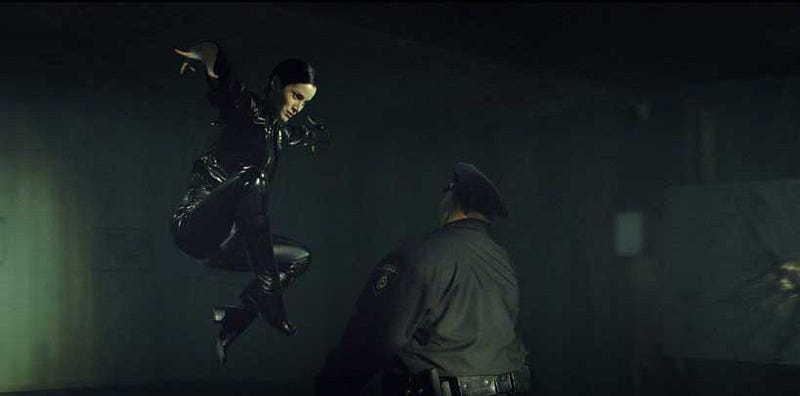
When we write a screenplay, I like to think of the process as one in which we wear several “hats”. Primarily, of course, we wear our Writer Hat where we get in touch with our vision for each story and give evidence on the page to our unique voice. That is the foundation, to write something that is a reflection of our distinctive creative expression.
But there are other “hats” we can don in the writing process which can help us craft a script which has the most resonance with other people key to the filmmaking process: Director, Actor, Editor, Producer.
Today: Director Hat.
While the trend over the last two decades or so has been to remove camera shots and directing jargon from screenplays — at least spec scripts / selling scripts as compared to production drafts — that does not mean we, as writers, can’t bring a directing vision to our storytelling. Indeed if a fundamental goal of a script is to translate the words we write into a movie ‘screening’ inside the imagination of a readers, we absolutely must bring our inner director to bear on our writing. We put on our Director Hat when…
- We decide how to approach the composition of every scene.
- We steer the narrative point of attack.
- We shift focus from one character to another.
While a director is involved in all aspects of the film production process, as far as wearing a Director Hat is concerned, our focus as writers can pretty much be summed up with one word: VISUAL.
Movies are primarily a visual medium. So donning a Director Hat during our writing process reminds us — always — to think visually.
Here are two tips on how to bring our directing vision to the page. First: Think visually, write visually. Consider these lines of scene description excerpted from the opening sequence in The Matrix:
The Big Cop flicks out his cuffs, the other cops holding a
bead.The eye blinks and Trinity's palm snaps up and his nose
explodes, blood erupting.Trinity moves again, BULLETS RAKING the WALLS, flashlights
sweeping with panic as the remaining cops try to stop a
leather-clad ghost.A GUN still in the cop's hand is snatched, twisted and
FIRED.A flashlight rocks slowly to a stop.
Strong verbs. Vivid descriptors. Visual writing. That reflects a writer who sees the movie in their mind’s eye and thinks of it like a director — how to convey that movie in the most visual way possible.
The second thing is this: We can use lines to suggest specific camera shots. Look at those paragraphs above. Think how each one translates into an individual camera shot:
Medium Shot: The Big Cop flicks out his cuffs, the other cops holding a
bead.
Close Up: The eye blinks and Trinity’s palm snaps up and his nose
explodes, blood erupting.
Wide Shot: Trinity moves again, BULLETS RAKING the WALLS, flashlights
sweeping with panic as the remaining cops try to stop a
leather-clad ghost.
Close Up: A GUN still in the cop’s hand is snatched, twisted and
FIRED.
Extreme Close Up: A flashlight rocks slowly to a stop.
By using lines and paragraphs to suggest individual camera shots, we not only enhance the visual dynamics of our script pages, we do so without stepping on the actual director’s toes. We’re not telling them how to do their job, but we’re speaking their language by framing each scene with specific visual details and elements.
As we write, we can from time to time don our Director Hat. The key word to remember when we do that is this: VISUAL.
Tomorrow: Actor Hat.