Screenwriting 101: Scott Beck and Bryan Woods
In May 2018, I interviewed Scott Beck and Bryan Woods, who originated and co-wrote the screenplay A Quiet Place. The script is notable for…

In May 2018, I interviewed Scott Beck and Bryan Woods, who originated and co-wrote the screenplay A Quiet Place. The script is notable for many reasons, most importantly the fact it tells a whopping good story. Their original spec script also churned up a tsunami of controversy in the online screenwriting universe due to some of the choices they made in handling the story.
First of all, the script clocks in at 67 pages. Second, it is in effect a silent movie. This quite literally reflects the conceit Beck and Woods came up with when they were in college together at the University of Iowa: Make a sound. You die. That central idea stuck and became a key part of the movie’s marketing campaign.
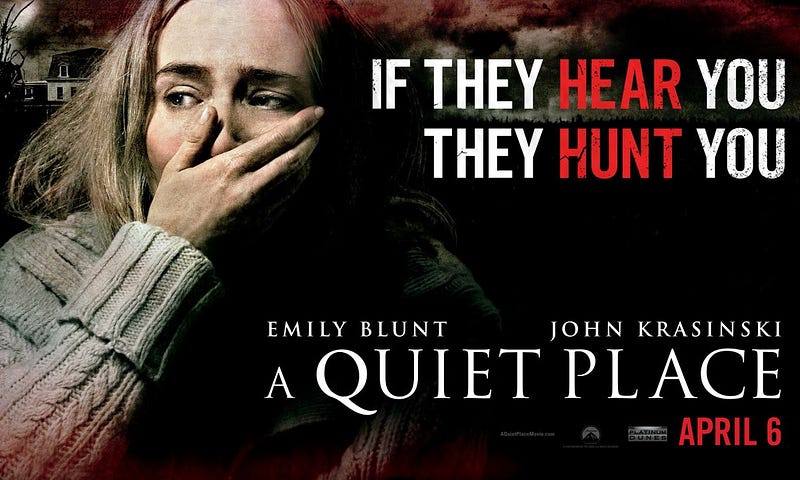
If they hear you, they hunt you. That kernel of an idea was there from the origination of the story by Beck and Woods years before.
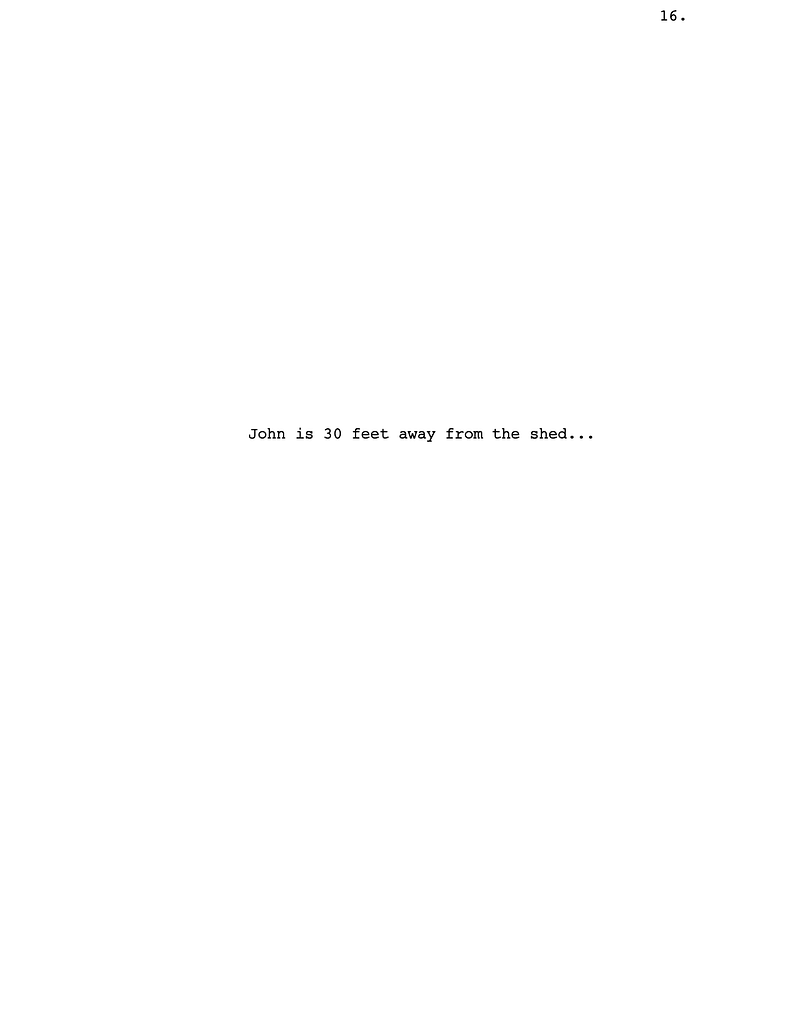
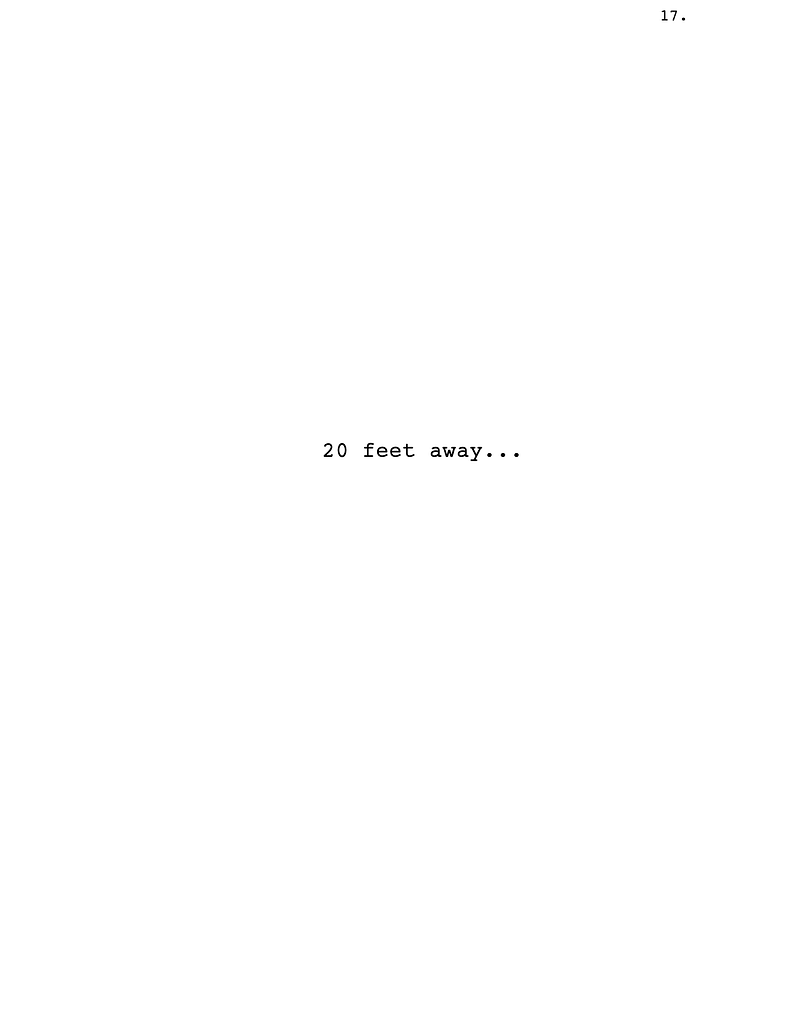
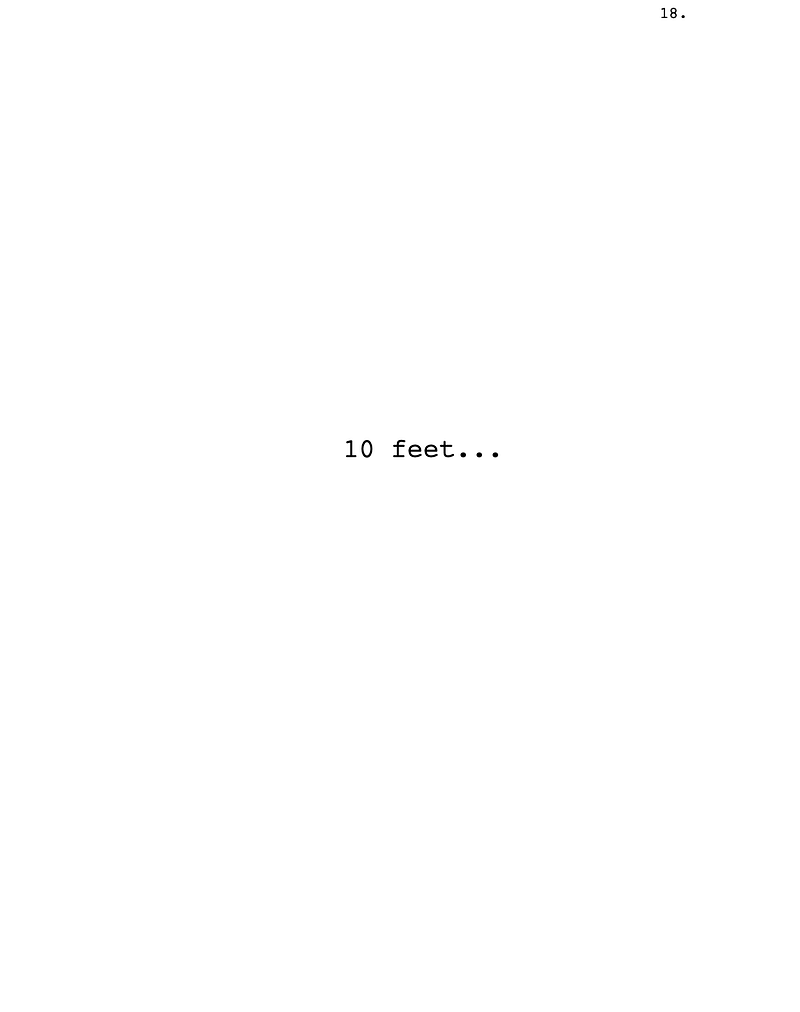
But perhaps the biggest noise among screenwriting aficionados arose about script pages like these:

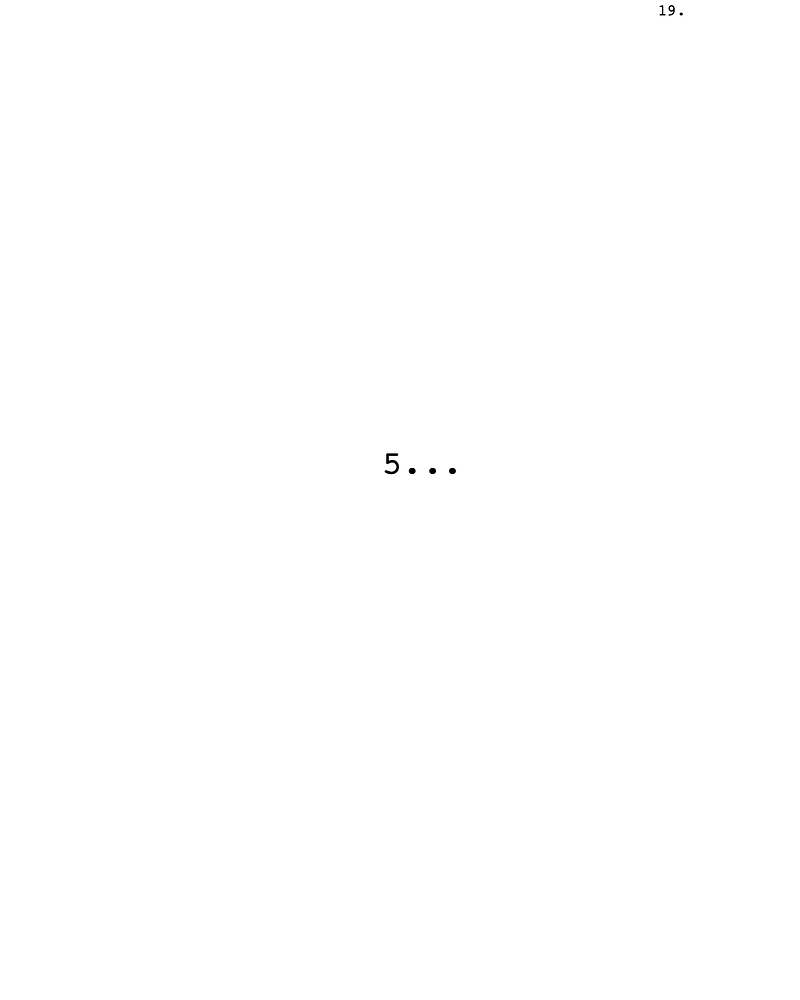
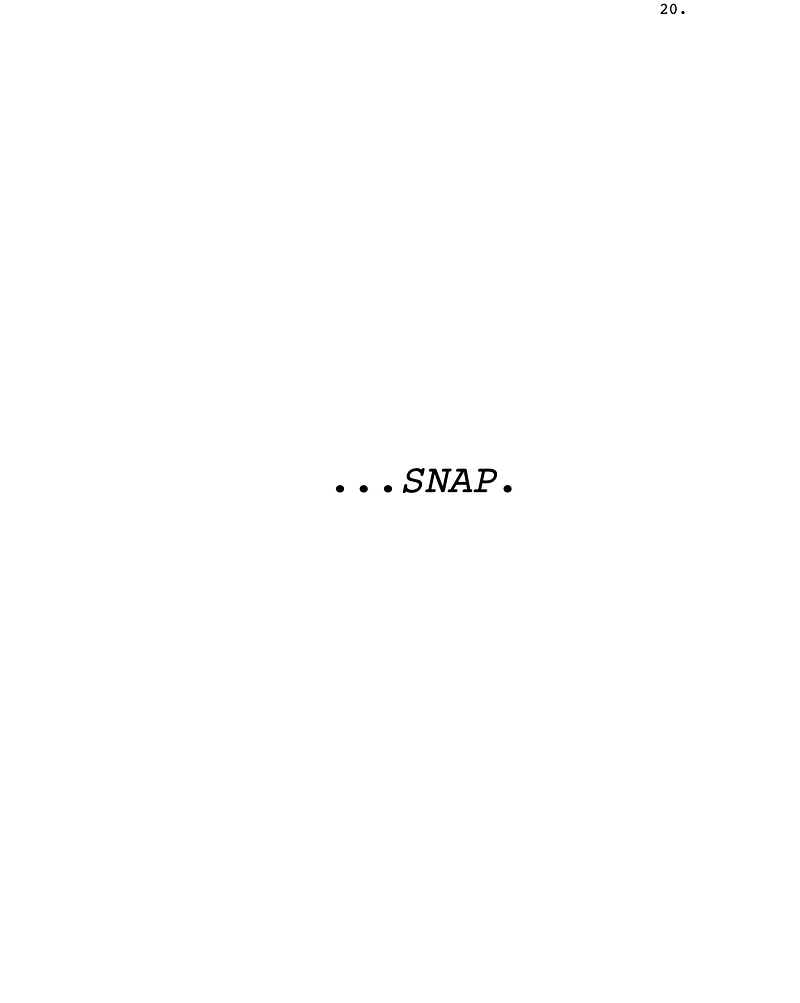
And this:


Different fonts! Pages with only a couple of words on them! Including visuals!
So much clutching pearls among the “script literalist” crowd with their so-called screenwriting rules when they read this draft of A Quiet Place. Thus, in my interview, I asked Bryan and Scott about this very subject and how it may have impacted their approach to writing the screenplay.
Scott Myers: As a response to people reading this script, I can’t, in my mind, wrap my head around where this idea of screenwriting rules comes from. There’s no rule book, but people keep popping up. This is why these flame wars happen online on the stupidest things.
I saw a Reddit thread and one of the commenters said, “I guess my point is, why can’t you be different? Why can’t you try doing your own thing? If a 68‑page spec horror by two relative unknowns, filled with Photoshopped pictures of buildings, buttons and Monopoly boards can get bought by Paramount, then surely anything is possible.” Do you think that’s a good lesson there for writers?
Scott Beck: Yeah, I think it certainly is. I believe the reason that we were able to forge ahead with that notion was because we had a backup plan. We knew if nobody cares about this, the two of us are so passionate about this idea that we’ll go off and make this.
Again, we wrote it for a certain degree of production where it could have been shot for fifty thousand dollars.
Of course, it wouldn’t be the exact same movie and maybe the set pieces would’ve been pulled back a little bit, but we were trying to design things on a page that we could totally foresee how those could be created on the cheap.
Bryan: I would also add to that that we were doing it for a reason. It’s funny because some of the stuff we’re doing on the page is incredibly gimmicky. That we would not be caught dead writing that way in certain other scripts.
It’s not a style that we have used in hardly anything else we’ve done, but it was true to the vision of this particular movie, which is a bizarre silent film that is, we felt, unlike anything people had seen in theaters. We just wanted to make sure that was captured on the page. It’s not necessarily something we’d do for anything.
I think you can break all the rules you want. If you have a darn good reason to do so, why not?
There’s your money quote: You can break all the rules you want. If you have a darn good reason to do so, why not?
Two parts to this comment:
- You can break the rules (even if I would argue there are no rules, just conventions, expectations, and so forth), but …
- You have to have a “darn good reason.”
In other words, whatever choices you make must serve the story!
The next time one of your screenwriting buddies opines, “You can’t do that! It’s against the rules!” Here’s what you say:
A Quiet Place.
Then drop the mic!
By the way, in a week, I will be conducting a Q&A with Beck and Woods, the transcript of which is going to be included in a book the guys releasing which features the thriller screenplay they wrote and directed Haunt.
For hundreds more Screenwriting 101 articles, go here.