Screenwriting 101: Reid Carolin
Since the announcement hit yesterday that there will be a Magic Mike 3, I thought we could get some screenwriting wisdom from an interview…
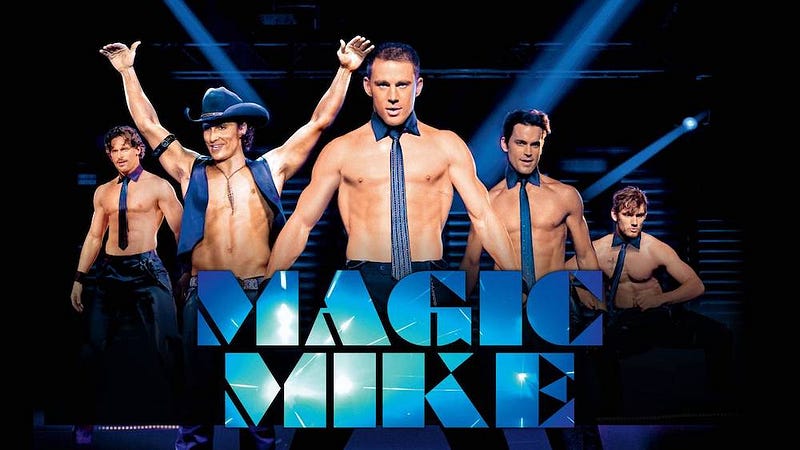
Since the announcement hit yesterday that there will be a Magic Mike 3, I thought we could get some screenwriting wisdom from an interview I did back in 2013 with Reid Carolin who wrote and produced the original Magic Mike (as well as its sequel). The Steven he mentions in the comments below refers to director Steven Soderbergh who returns to direct MM3 as well as Channing Tatum to star.
I think the genius of Steven is that he doesn’t want to hit you over the head with…I mean, he’s made a lot of topical movies, but he believes in a narrative that works. Whether it’s a genre narrative or whether it’s a straight‑up drama, or a comedy, or whatever. It could be a TV movie, a movie of the week. He believes that as long as you treat it the right way stylistically, and you let the actors do what they’re going to do, and you have an undercurrent of something that you want to say there, that the movie will reveal what it’s supposed to be about. But it’ll still be a piece of entertainment, and I think that it was a really good lesson for me to learn.
Because on “Stop‑Loss,” we made this movie that we really thought was going to be an important movie, we really wanted it to be. We wanted it to be something that really spoke to our culture, and talked about these guys that are coming back from the war and getting fucked over, and having to be sent back by a government that wasn’t treating them properly as citizens.
I think in all that, we got lost. Especially in the second act, and didn’t focus enough on just what makes a movie entertaining. The rest takes care of itself if you make a good movie. I do think movies feel like their directors. If you’re smart and intelligent and you have something to say, your movie’s going to find that tone, and you don’t have to whack people over the head with it.
It was really smart of Steven, to do this movie the way that he did, because we did have some stuff in there, the script, them driving by places where there’s for sale signs up all over the place, and Dallas is talking a lot about money, which he does in the movie. He always talks about money, and there’s even more of that.
At a certain point, it’s like the story just needs to be told. That stuff is happening in the background, and you’ll get it.
You don’t want it to be any more than subtle, I think. If it’s more than subtle, people just start rolling their eyes, and they understand what you’re trying to do.
Takeaway: “If you’re smart and intelligent and you have something to say, your movie’s going to find that tone, and you don’t have to whack people over the head with it.” This speaks to a story’s theme or perhaps the “moral of the story.” Don’t lead with it. Lead with the entertainment and trust that if you’ve done your job with the story and the characters, whatever “message” you want to come through will connect with the audience.
For my 2013 interview with Reid Carolin, go here.
For 100s more Screenwriting 101 posts, go here.