Rewriting Key: Switch Protagonist
When you rewrite your script, give each primary character their due by doing an individual character pass.
When you rewrite your script, give each primary character their due by doing an individual character pass.
You’ve finished a draft of your script. Well done. Now it’s time for the inevitable rewrites. Yes, that’s plural. Nowhere is the mantra ‘Writing it rewriting’ more than with a screenplay. You will need several rewrites to get your script into shape to push out into the world.
Which leads to an obvious question: How to rewrite a script?
If only there were a screenwriter who hosted a blog and released a free eBook called Rewriting a Screenplay. Well, until that mythical figure emerges through the mists of time, here’s a suggestion for you:
Switch Protagonists.
Not literally. Your story’s Protagonist will always be its Protagonist. But what about your Nemesis. Your Attractor? Mentor? Trickster?
Here’s the thing: Each of them is the Protagonist in their own story. So by inhabiting their perspective and going through the story with them as the ‘protagonist,’ you deepen the understanding of all your primary characters.
I call this: Individual Character Pass.
What that means is do one pass through the vantage point of them as the story’s Protagonist. How do they see the world? How do they relate to the other characters if you connect with them as the protagonist of their own journey?
Do this with each primary characters. This can only help make each character a more complex, interesting, and engaging figure.
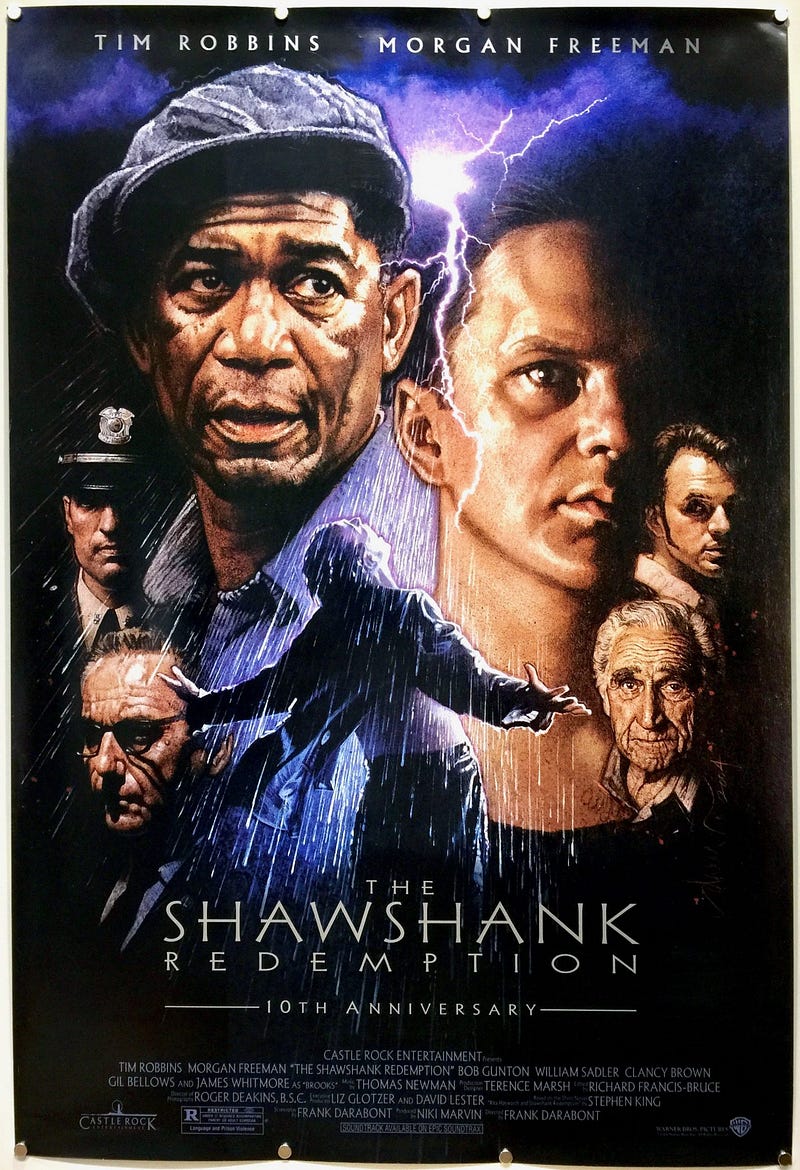
For example, let’s consider the #1 movie on the IMDb Top 250 Movie List: The Shawshank Redemption.
The Andy draft: Andy as Protagonist. Nemesis is Warden Norton. Mentor is Red. Attractor is Tommy. Trickster is Hadley.
The Red draft: Red is Protagonist. Nemesis is institutionalization. Mentor is Brooks. Attractor is Andy. Trickster is freedom.
The Norton draft: Norton is Protagonist. Trickster is Andy
The Tommy draft: Tommy is Protagonist. Mentor is Andy.
The Brooks draft: Brooks is Protagonist. Nemesis is freedom. Mentor is institutionalization. Attractor is Jake (the bird).
The Hadley draft: Hadley is Protagonist. Trickster is Andy. Mentor is Norton.
Beyond using character archetypes to sort out the relationships, while rewriting the script in an Individual Character Pass, you can approach each preexisting scene through the perspective of that specific character and really feel what they’re feeling, think what they’re thinking.
What is their goal in each scene? Where are they in terms of their psychological journey? What is their mood and attitude in each scene?
You’ve heard that old saying: “You can’t understand someone until you’ve walked a mile in their shoes.”
An Individual Character Pass in which you switch Protagonists gives you the opportunity to do just that: Walk a mile in each character’s shoes.
Takeaway: If each character is the protagonist in their own story, then it makes sense for the writer to switch points of view and do a pass through individual characters and their perception of what’s unfolding in the story universe.