Reflections on Carl Jung (Part 1): Are We Related to the Infinite or Not?
The more I study Carl Jung, the more I discover his ideas about psychology have a direct relevance to screenwriting (specifically) and…
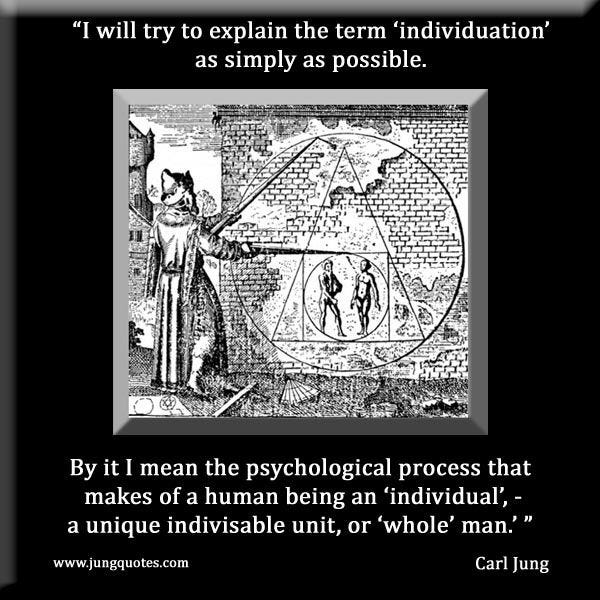
The more I study Carl Jung, the more I discover his ideas about psychology have a direct relevance to screenwriting (specifically) and stories (generally). This week, a 5-part series focusing on Jung’s notion of individuation, the achievement of one’s self-actualization through a process of integrating the conscious and the unconscious. This movement toward a state of what Jung called wholeness is an enlightening way to think about what many in the screenwriting trade refer to as the Protagonist Transformation Arc.
Let’s begin our discussion with this quote from Jung:
The decisive question for man is: Is he related to something infinite or not? That is the telling question of his life. Only if we know that the thing which truly matters is the infinite can we avoid fixing our interests upon futilities, and upon all kinds of goals which are not of real importance. Thus we demand that the world grant us recognition for qualities which we regard as personal possessions: our talent or our beauty. The more a man lays stress on false possessions, and the less sensitivity he has for what is essential, the less satisfying is his life. He feels limited because he has limited aims, and the result is envy and jealousy. If we understand and feel that here in this life we already have a link with the infinite, desires and attitudes change.
— “Memories, Dreams, Reflections”
If we look at a Story from a psychological standpoint, zeroing in on the Inner Life of its key characters, particularly the Protagonist, we can see that at its foundation, the narrative poses an existential question of them: “Who am I?”
Joseph Campbell, who was hugely influenced by Jung, put it this way when describing where the Hero finds him/herself at the beginning of a story:
The Hero is making do, but feels something missing, a sense of discomfort or tension. The Hero needs to change, even if they are unaware of that need.
The Protagonist can continue to live per their Old Way of Being, beliefs and behaviors, coping skills and defense mechanisms cobbled together in their life leading up to FADE IN. But those are “false possessions… less satisfying” and can only result in “limited aims.”
Invariably the Protagonist is “related to something infinite” or to use contemporary psychological jargon, authentic, key aspects of their psyche which are largely lying dormant, waiting to be awakened.
Whether it’s…
Dorothy Gale in The Wizard of Oz determining if her home in Kansas really feels like home…
Rick Blaine in Casablanca persisting in cynicism or reconnecting with his idealistic self…
C.C. Baxter in The Apartment getting in touch with his inner ‘mensch’…
Michael Corleone in The Godfather accepting his fate as a Mafia don…
Luke Skywalker in Star Wars jettisoning his life as a moisture farmer to become a Jedi knight…
Michael Dorsey in Tootsie confronting his own sexism and becoming a better man by playing the role of a woman…
Ripley in Aliens resurrecting her maternal instincts…
Clarice Starling in The Silence of the Lambs finding the courage to face her deepest fears and nightmares…
Andy and Red in The Shawshank Redemption deciding whether to get busy living or get busy dying…
Simba in The Lion King figuring out his true identity as king of the pride…
Neo in The Matrix falling into his destiny as The One…
Bruce Wayne in The Dark Knight attempting to turn away from his life as a superhero vigilante…
Carl Fredericksen in Up opening himself up to a new, revitalized life…
Or Annie in Bridesmaids freeing herself from her infantile notions of romance…
Virtually all movies deal with that key existential question in relation to the Protagonist: Who are you? And their transformation from FADE IN to FADE OUT is a form of what Jung calls individuation.
Jung came to this understanding through his own personal experience and here’s a short animated video which illustrates how, combining Carl Jung, the Hero’s Journey, and Star Wars:
“Become the hero of your own journey.” That’s a brief, yet powerful take on Jung’s fundamental idea. And it sums up most Protagonist’s psychological experiences.
Is the character related to something “infinite” (authentic) or not? If so, do they elect to move away from their Old Way of Being, embrace that which has been largely ‘unconscious’, and transforming toward wholeness?
We’ll explore these questions more thoroughly in this 5-part series.
Tomorrow: Make the Unconscious Conscious.