Reader Question: Is it okay for the Antagonist drive the Plot?
“Many movies have a Protagonist who spends most of the time trying to figure out what the Nemesis is doing, the Nemesis the active…
Reader Question: Is it okay for the Antagonist to drive the Plot?
“Many movies have a Protagonist who spends most of the time trying to figure out what the Nemesis is doing, the Nemesis the active character, the Protagonist the reactive one.”
A reader question from Jeff:
Scott, I’m in the initial mapping/plotting stages of I guess what could be considered a traditional Hollywood blockbuster type movie. Y’know, tubs of nuclear-butter popcorn sold left n’ right, THX audio to shake their fillings right outta’ their skulls, eye popping 3-D that’ll cause the middle rows to ralph out their Milk Duds across the theater…
…the usual.
All daffiness aside, when I say ‘traditional,’ I mean classic protagonist/antagonist design.
Anyway, as I etch out my timeline, I find that the scenes/events that land on it and seem to guide me are the actions of the ANTAGONIST, since what this ‘bad guy’ (for lack of a better term) does drives what my PROTAGONISTS do. It doesn’t seem to be too skewed a design since something like that little film last summer, you may have heard of it, THE DARK KNIGHT, functions very much in the same way. Let’s face it, Batman would just hang upside-down in the batcave unless some arch villain didn’t do some underhanded deed and get things in motion, right?
Still… it looks weird not having my main character’s name plastered all over my wipe-board, y’know?
My question is, do I panic? Do I have that most foul of creatures called the ‘reactionary’ main character?
Remember… this is a BIG movie intended to make some lucky studio BIG money!
(heh heh… I’m, of course, being more than a little waggish with bold statements like that and yet…I’ve never really truly had a project like this before. I’ve always worked with the low to middle budget stuff, the quirky, the weird, the wonky. This is the first script I’ve ever tried that I could actually see, in my mind’s eye, a giant cardboard standee for in the lobby of some 20 screen mega-multi-plex.
Therefore, I’m panicking.)
Jeff, I’m sure that somewhere in this fine country of ours, a slump-shouldered, pasty-faced, mole-eyed doctoral student has written a dissertation entitled “The Protagonist’s Journey: Chasing the Antagonist’s Tale” which would answer your question directly. Until you find said dissertation, let me provide a few thoughts.
The yellow flag you raised — concern that your Protagonist(s) may be too reactive — is a legitimate one. Development execs pick up on precisely this type of thing more so, I suspect, out of a fear that A-level talent might balk at not being the character who sets the story’s agenda rather than any deep understanding of or appreciation for the nuances of storytelling.
But in fact, many movies have a Protagonist who spends most of the time trying to figure out what the Nemesis is doing, the Nemesis the active character, the Protagonist the reactive one. Here are just some examples movies with reactive Protagonists taken from the WGA’s Top 101 Screenplays list:
Chinatown
Butch Cassidy and the Sundance Kid
The Graduate
The Apartment
North by Northwest
Groundhog Day
The Sixth Sense
All the President’s Men
The Silence of the Lambs
Jaws
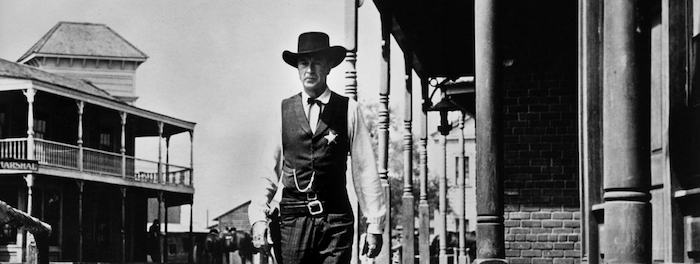
High Noon
Witness
Memento
Different shades of reactive Protagonists, but reactive nonetheless.
So how do these movies manage to work? For one thing, the Protagonist may spend a majority of a movie chasing the Nemesis, and yet there’s that word — active — right there in the word “reactive.” In other words, the Protagonist is actively on the hunt, actively checking out clues, actively interacting with some of the Nemesis’ minions. The Protagonist is also actively interacting with other subplots. And importantly, they often have a Transformation process, moving from one emotion state to another over the course of the story. That can be an active experience for the Protagonist as well.
Another thing: Typically the reader gets the universal view of the story, that is they can see both the Nemesis and Protagonist in action, whereas the Protagonist has a limited view. Handled properly, this can create a desirable psychological state in the reader, intensifying their allegiance too and rooting for the Protagonist to succeed.
One more thing: The inevitability of the Final Struggle — that major and climactic plot point at the end of Act Three — is present throughout the entire story. A reader can intuit that from the very beginning of the script: These two are going to meet up and hash it out. So while the Nemesis may be seemingly in charge of events throughout Act Two, we know the Protagonist will intersect with the Nemesis. That can mitigate the Nemesis-in-charge dynamic.
I’m sure GITS readers will have lots of thoughts on this, but my short answer to the original question, I would say, yes, it’s okay to have the Nemesis drive the plot — as long as you make the Protagonist active in their pursuit, active in their engagement with the plot, and active in their own transformation process.