Reader Question: How to write period-authentic dialogue?
The three keys to writing dialogue which sounds like it is authentic to a specific time period: Research, Character Development…
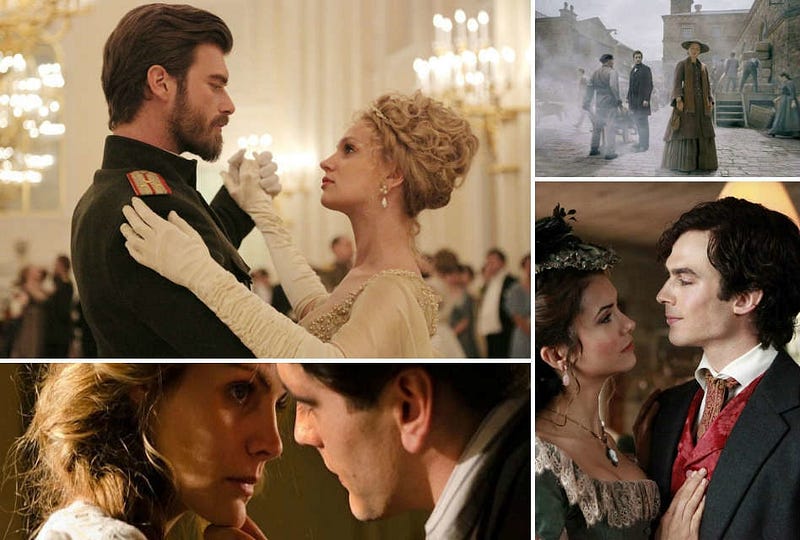
The three keys to writing dialogue which sounds like it is authentic to a specific time period: Research, Character Development, Readability.
A reader question from Alex Parker:
Scott, are there resources out there that inform period-authentic dialogue? For instance, “True Grit” and “Ride With the Devil” feature what I imagine is the best attempt to how people on the frontier of the 19th century spoke.
In short, how can I make sure my characters are speaking authentically for their time period?
Alex, this is a tricky business and in my experience, it involves wearing three different ‘caps’ during the writing process.
The first cap is that of the researcher. Find novels of the era you’re writing and read them. Watch — and more importantly listen — to movies and TV series set in the time period of your story. Take notes, jot down jargon and lingo of that time-frame. Study the cadence of character exchanges. Google is a tremendous tool in this regard for surfacing source material.
The second cap is that of the writer. Immerse yourself in the lives of each one of your story’s primary characters. Your research may help you identify patterns of speech specific to the period of your story, but in order to individuate each character, you need to spend time with them, one by one, to pick up on their distinctive speaking patterns.
The third cap is that of the development executive. Whatever dialogue you write, you need to make sure it is readable. Mark Twain is a great writer, but have you tried to read “The Adventures of Tom Sawyer” and “The Adventures of Huckleberry Finn” lately? The dialogue is so authentic, it is a challenge to wade through.
“Say, who is you? Whar is you? Dog my cats ef I didn’ hear sumf’n. Well, I know what I’s gwyne to do: I’s gwyne to set down here and listen tell I hears it ag’in.”
Screenplays are not novels and readability is a key factor in a development executive’s assessment of the material. They have to read so many scripts, any aspect of the writing which slows down the read works at cross-purposes for a writer’s goal to craft a good read.
Per this last point, consider this: A little goes a long way.
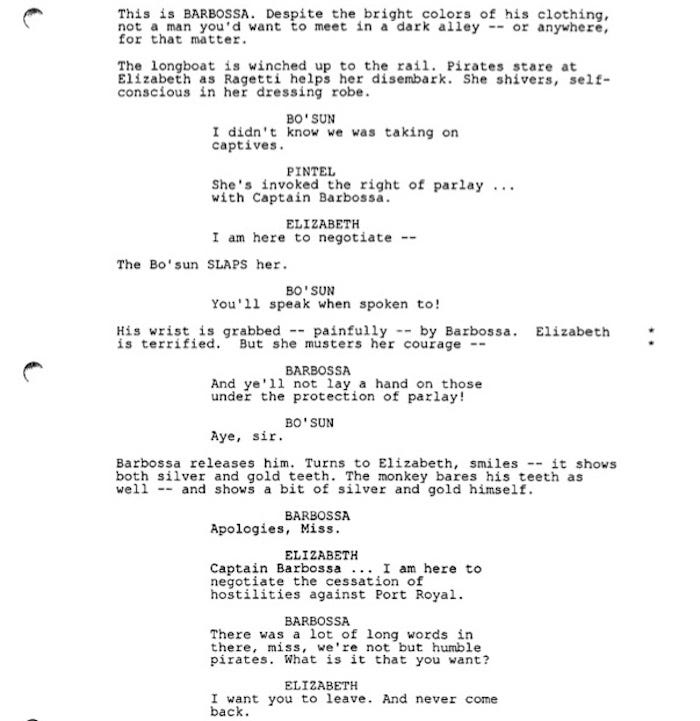
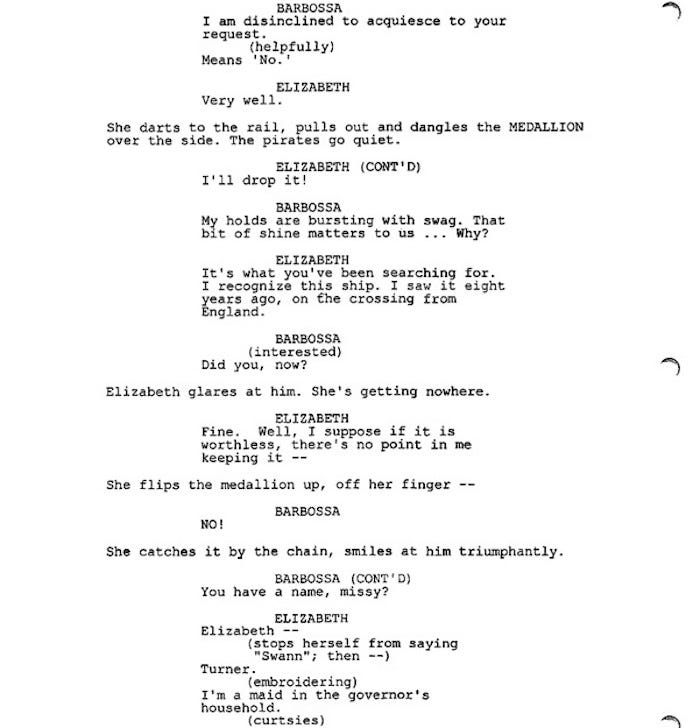
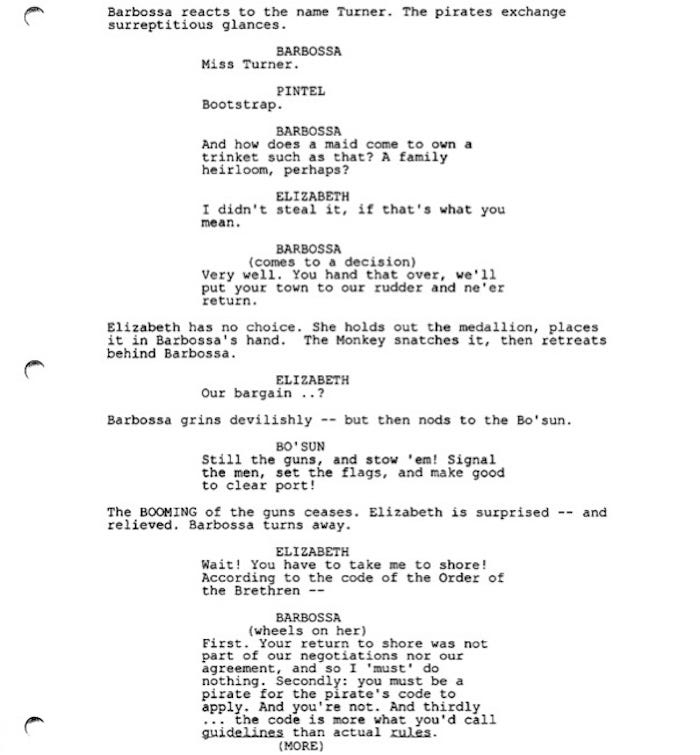
You are not writing a documentary, so you don’t have to write dialogue which is 100% accurate to the era of your story. Rather, filter language of the time period here and there in your dialogue. Key terms, idioms, and jargon remind the reader the story they are reading is from a specific time-frame, but only sprinkled through scene by scene — that makes for a more readable script.
Consider these period pieces:
Notice how the dialogue, while reflecting the tone and sound of their respective eras, if you were to write out each side, they are readable. Like this:


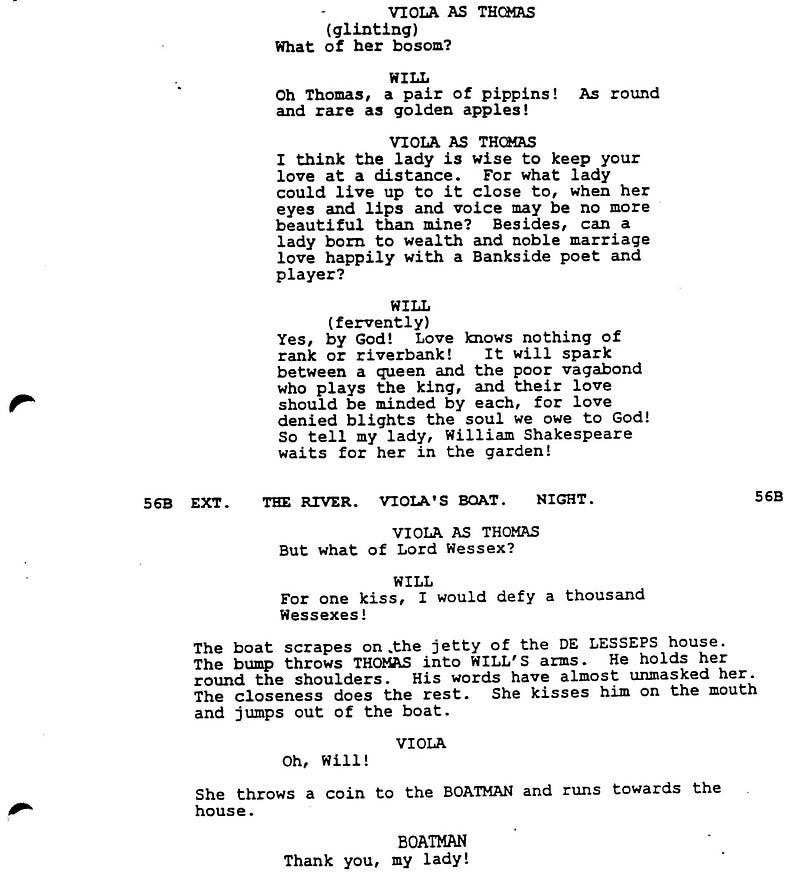
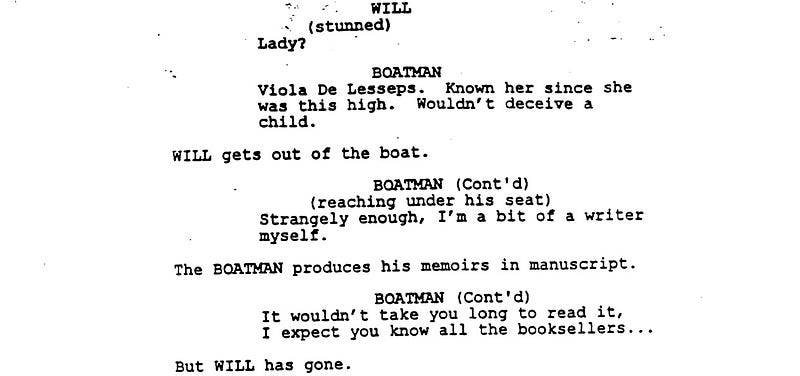
Or like this:
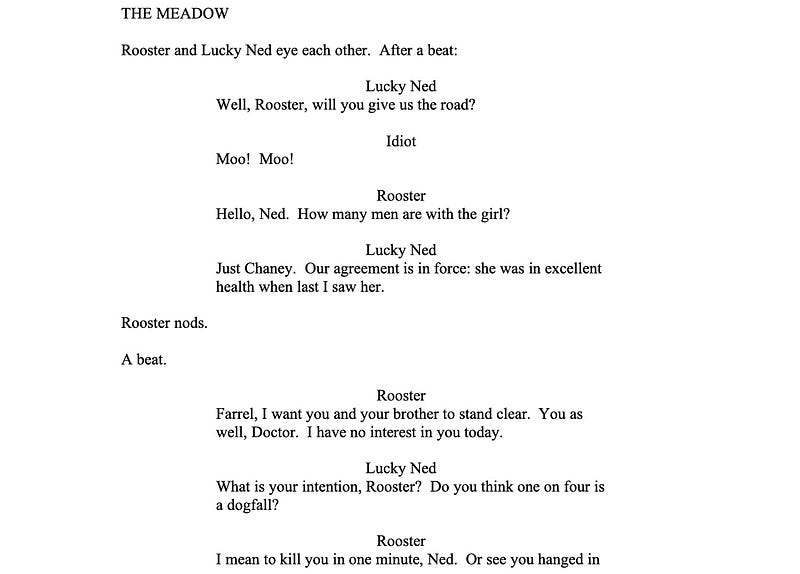
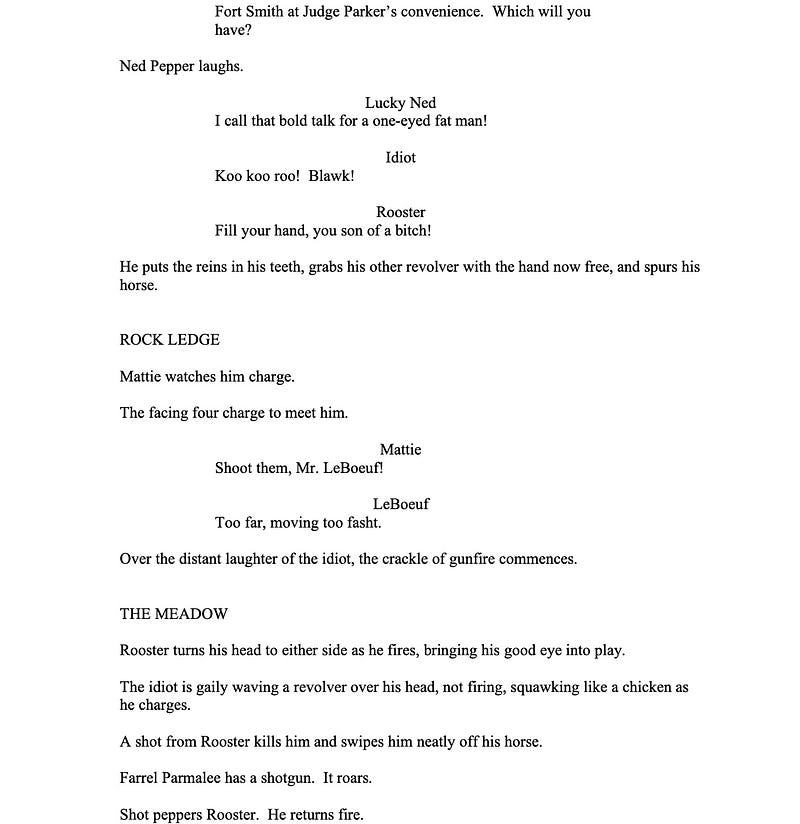
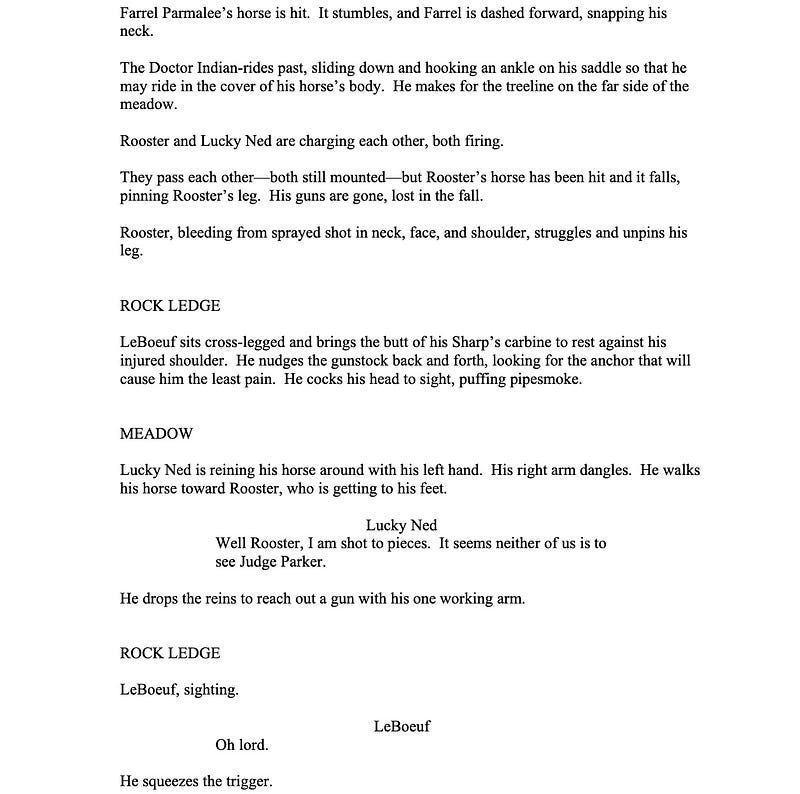
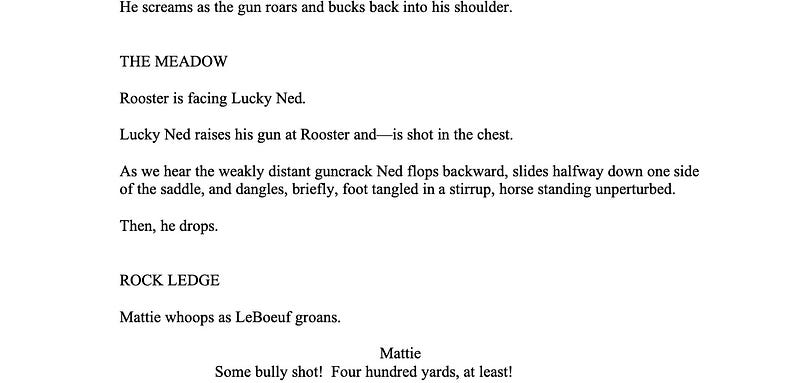
Or this:
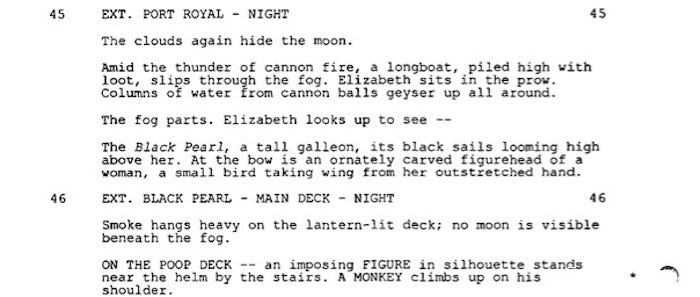

Advice: For the first draft, allow yourself the freedom to write each scene wherein characters just go with the flow. If you’ve overwritten them and perhaps delved too deeply into the era’s jargon, you can always pull back in subsequent drafts.
Your goal: Authenticity meets readability.
For 100s more Go Into The Story Read Question articles, go here.