Reader Question: How to know which characters to keep and which to cut?
If you know a character’s narrative function and that function is essential to tell your story, keep them. If not…
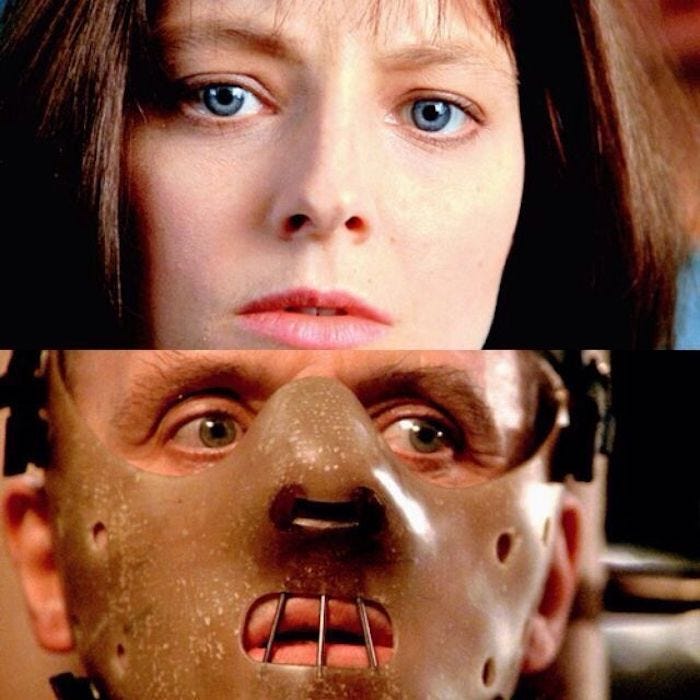
If you know a character’s narrative function and that function is essential to tell your story, keep them. If not…
Great question, Katie, and if you don’t mind, I’m going to take the scenic route in providing my two cents on the subject.
Let’s consider the concept that your story — as with any story — has its own story universe. It consists of locations, subcultures, customs, sometimes even its own physics. And most importantly, it is inhabited by characters.
The first most important thing to do is to immerse yourself in the lives of your story universe’s characters. Let your mind roam. Brainstorm and see who and what turns up. Once that happens, spend time with each character. Use a variety of character development exercises — biography, questionnaire, sit-down, interview, monologue — to get the characters interacting with you.
This is super important. Don’t jump to plot, don’t sift through your characters, don’t start writing until you’ve really settled into your story universe and gotten to know its inhabitants.
The second most important thing is embrace this screenwriting principle:
Character = Function.
It may not pertain to writing a novel or a short story, but in a screenplay, every character has to have a reason to be there.
They may very well exist in your story universe, but that does not mean they necessarily have to inhabit your screenplay.
They have to have a specific narrative function.
This is one reason why I like working with what I call Primary Character Archetypes. They are: Protagonist, Nemesis, Attractor, Mentor, Trickster. I’ve posted about them a lot over the years. Here’s an article from 2008 to give you some background on the subject.
The bottom line is you can use these archetypes to assess the roster of characters you’ve aggregated through brainstorming and character development, and create a kind of map based on each character’s narrative function and their interrelationships. So for instance:
The Wizard of Oz
Protagonist: Dorothy
Nemesis: Miss Gulch / Wicked Witch of the West
Attractor: Hunk, Hickory, Zeke / Scarecrow, Tin Man, Cowardly Lion
Mentor: Glinda the Good Witch
Trickster: Professor Marvel / The Wizard of Oz (also Toto)
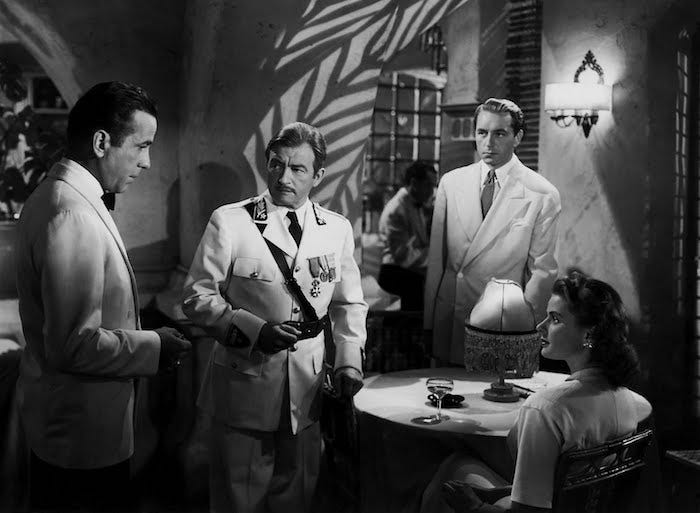
Casablanca
Protagonist: Rick Blaine
Nemesis: Major Strasser
Attractor: Ilsa Lund
Mentor: Victor Laszlo
Trickster: Captain Renault
The Apartment
Protagonist: C.C. Baxter
Nemesis: Mr. Sheldrake
Attractor: Fran Kubelik
Mentor: Dr. Dreyfuss
Trickster: Dobisch, Eichelberger, Kirkeby, Vanderhoff
Star Wars: A New Hope
Protagonist: Luke Skywalker
Nemesis: Darth Vader
Attractor: Princess Leia
Mentor: Obi-Wan Kenobi
Trickster: Han Solo
The Silence of the Lambs
Protagonist: Clarice Starling
Nemesis: Buffalo Bill
Attractor: Catherine Martin
Mentor: Hannibal Lecter
Trickster: Jack Crawford / Dr. Alex Chilton
Gladiator
Protagonist: Maximus
Nemesis: Commodus
Attractor: Maximus’ family, Marcus
Mentor: Lucilla, Juba
Trickster: Proximo, Quintus
Juno
Protagonist: Juno
Nemesis: The Baby
Attractor: Paulie Bleeker (True Attractor), Mark Loring (False Attractor)
Mentor: Mac MacGuff, Bren MacGuff
Trickster: Vanessa Loring
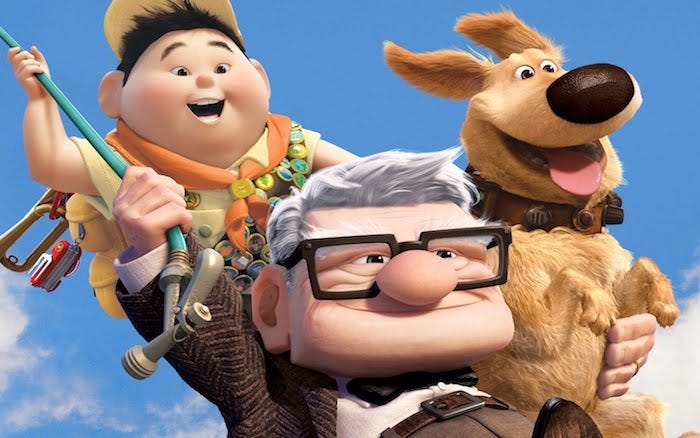
Up
Protagonist: Carl Frederickson
Nemesis: Carl Muntz
Attractor: Russell
Mentor: Dug
Trickster: Kevin
Bridesmaids
Protagonist: Annie
Nemesis: Helen
Attractor: Rhodes (True Attractor), Ted (False Attractor)
Mentor: Megan
Trickster: Lillian
I could go on with dozens of other movies, laying out a character map based on archetypes, but hey, life is short and I think you get the idea from the above list. Note: I’m not suggesting this is the ONLY way to assess characters, but it can be a really helpful approach in determining who to keep and who to cut.
Whatever method you use, one key is that principle: Character = Function.
But before you start cutting characters, make sure you do the first most important thing: Immerse yourself in your story universe and surface as many characters as you can. Get to know them. Then think about each in terms of their function. If they’re essential, keep them. If not…
Well, you can figure that out.
For more Go Into The Story Reader Question articles, go here.