How to Escape the Box You’ve Become Trapped in as an Artist Screenwriter and novelist Cole Haddon asked more than 20 filmmakers, novelists, and comic book writers to weigh in about how to avoid being…
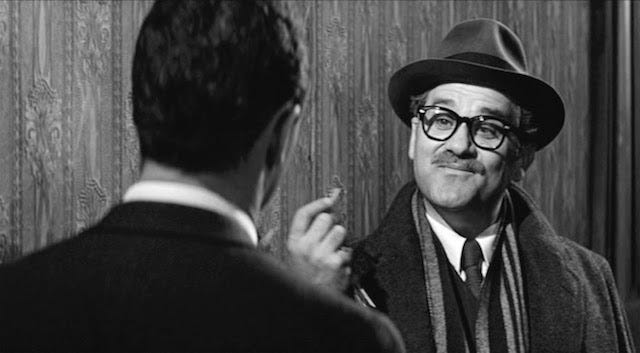
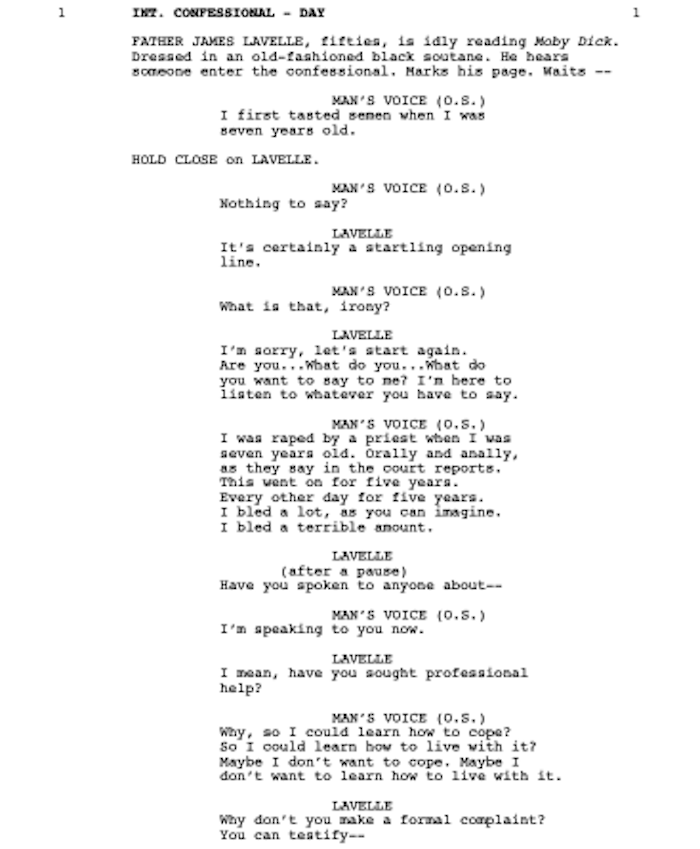
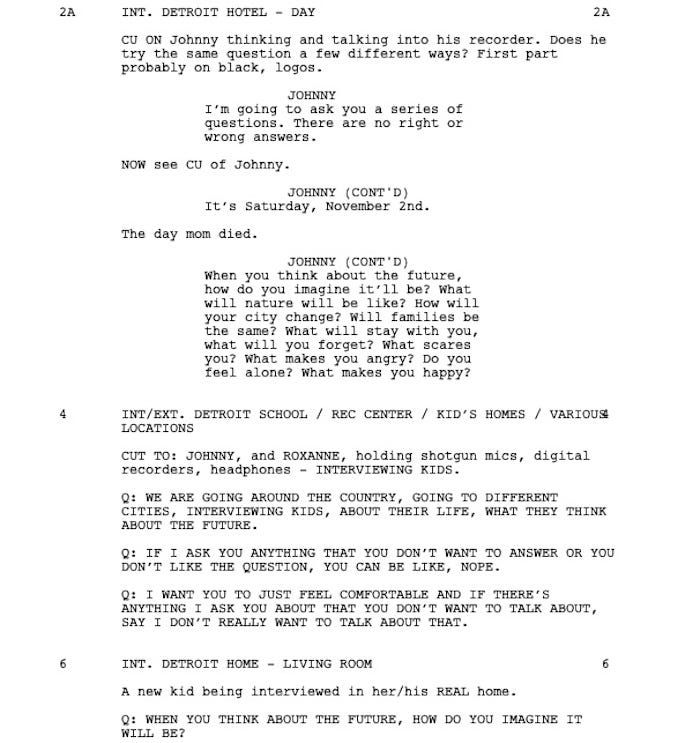
Page One: “Carnage” (2011) Screenplay by Yasmina Reza and Roman Polanski, translated by Michael Katims
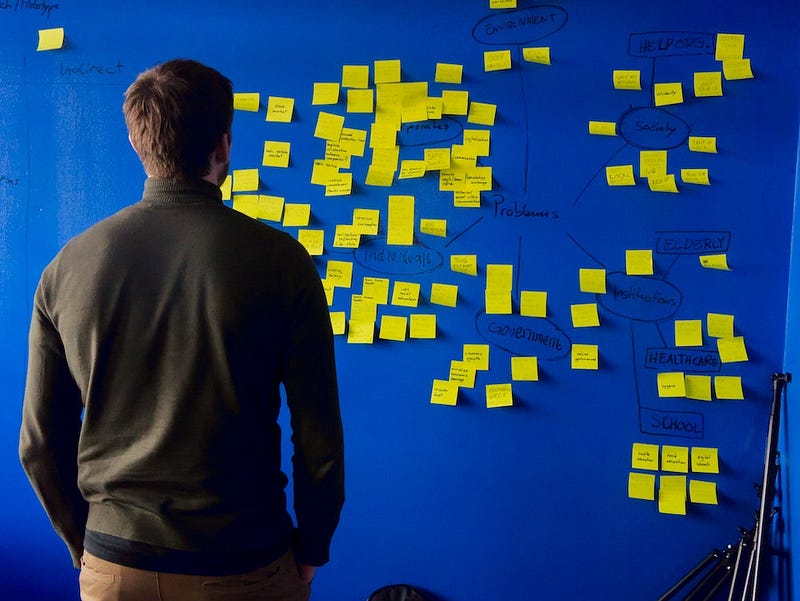
“The only way out is through” Imagine the process of writing a story as being a journey. Perhaps as you embark on your adventure, you have a map — an outline or beat…
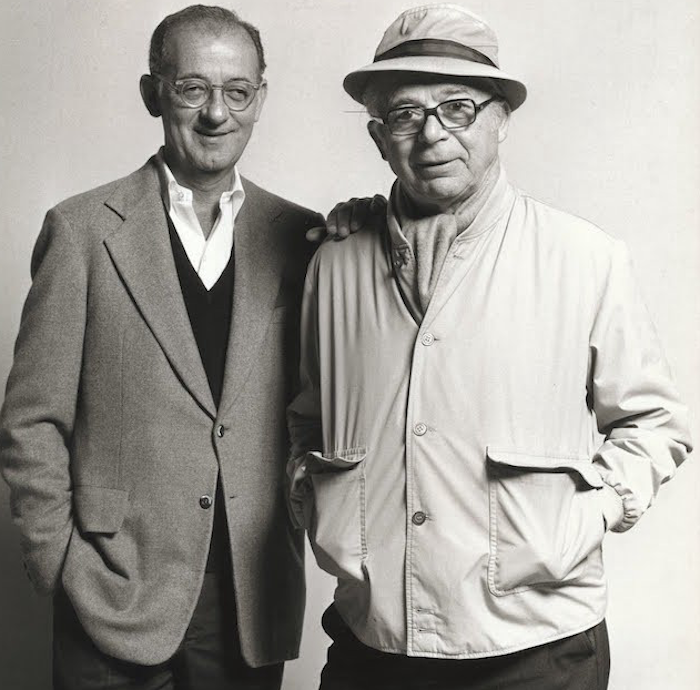
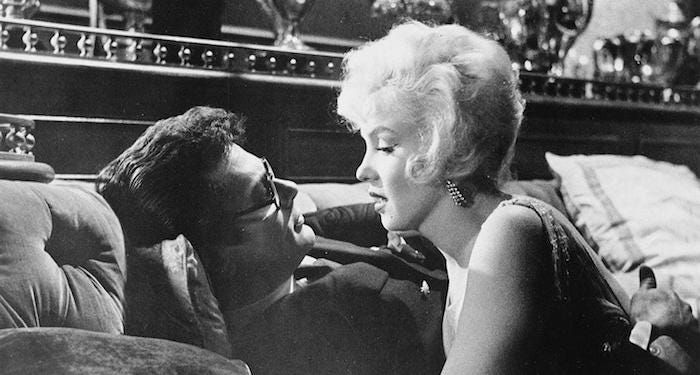
“Conversations With Wilder”: Part 11 Billy Wilder is my all-time favorite filmmaker. Consider just some of his movies: Double Indemnity (1944), Sunset Blvd. (1950), Ace in the…
Screenwriting 101: Wes Anderson “I use little notebooks. I write out everything longhand first, then I type it into the computer… I create seven of these [notebooks] for…
“Conversations With Wilder”: Part 10 Billy Wilder is my all-time favorite filmmaker. Consider just some of his movies: Double Indemnity (1944), Sunset Blvd. (1950), Ace in the…
On Writing “As for writing, most people secretly believe they themselves have a book in them, which they would write if they could only find the time…
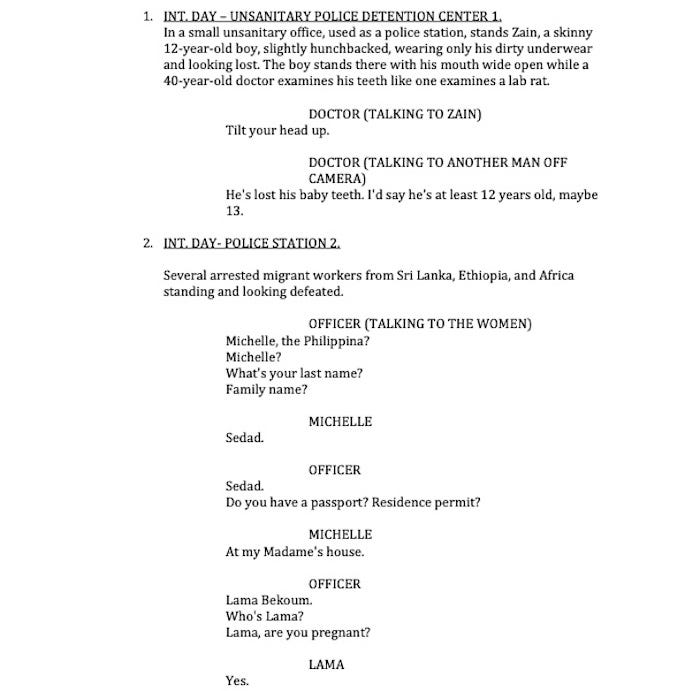
Page One: “Capernaum” (2018) Screenplay by Nadine Labaki & Jihad Hojeily & Michelle Keserwany in collaboration with Georges Khabbaz & Khaled Mouzanar
“May you listen… May you use your words… May you create a life worth living.” Three life lessons in the invocation I delivered Saturday to a graduating class of university students.
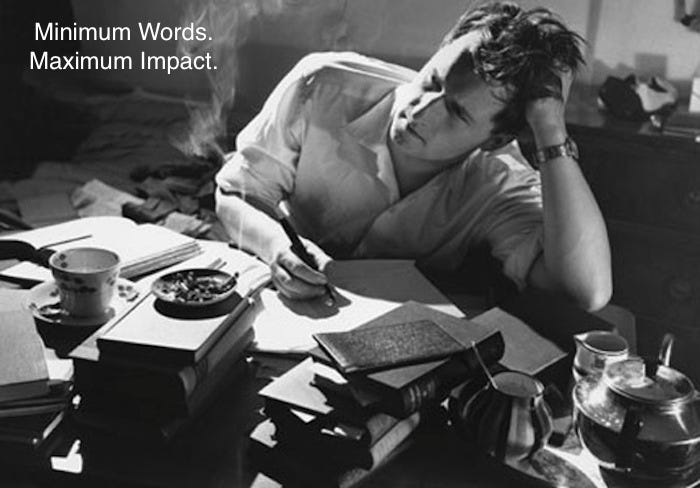
Minimum Words, Maximum Impact I know the source of this mantra. It was one of my online screenwriting students. During a weekly live-chat session. I was going on and on…
“Conversations With Wilder”: Part 9 Billy Wilder is my all-time favorite filmmaker. Consider just some of his movies: Double Indemnity (1944), Sunset Blvd. (1950), Ace in the…
Test Your Story Concept 5 questions to ask about a story idea to assess its viability as a scripted project.
“Conversations With Wilder”: Part 8 Billy Wilder is my all-time favorite filmmaker. Consider just some of his movies: Double Indemnity (1944), Sunset Blvd. (1950), Stalag 17…
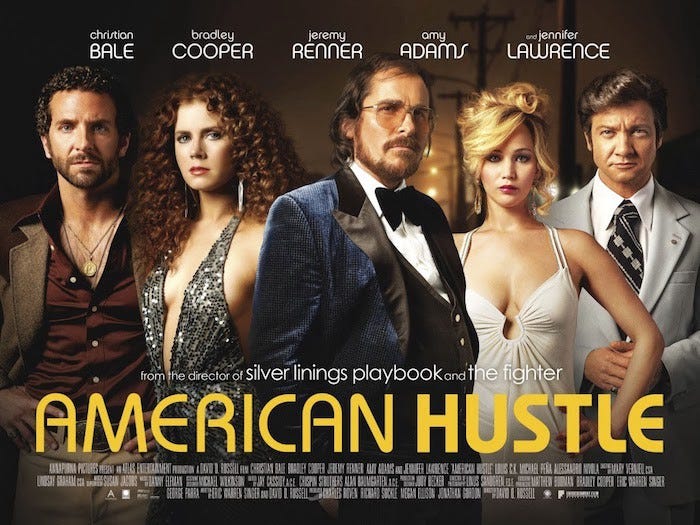
Script Analysis: “American Hustle” — Scene By Scene Breakdown Here is my take on this exercise from a previous series of posts — How To Read A Screenplay:
Set-up and Payoffs One of the most important narrative elements screenwriters have available to us is set-ups and payoffs. The basic idea is this: We…
“Conversations With Wilder”: Part 7 Billy Wilder is my all-time favorite filmmaker. Consider just some of his movies: Double Indemnity (1944), Sunset Blvd. (1950), Stalag 17…
Writing and the Creative Life: To Write, Stop Thinking Think character. Think plot. Think theme. But when you sit down to write, don’t think… feel.
Interview: Tor Valenza My conversation with a Hollywood screenwriter using his storytelling skills to advocate for solar power and the Earth’s well-being.