My Favorite Five Films at the 2025 Sundance Film Festival
Amidst a strong slate of movies, these five films stood out.
Amidst a strong slate of movies, these five films stood out.
I experienced this year’s festival 1,377 miles due east of the Eccles Theatre in what I’ve come to call Park City East: Chicago Style. Armed with my press pass, I screened thirteen movies online. Here are my favorite five films. Make sure to read through all the reviews because the last two are especially noteworthy projects.
Where The Wind Comes From
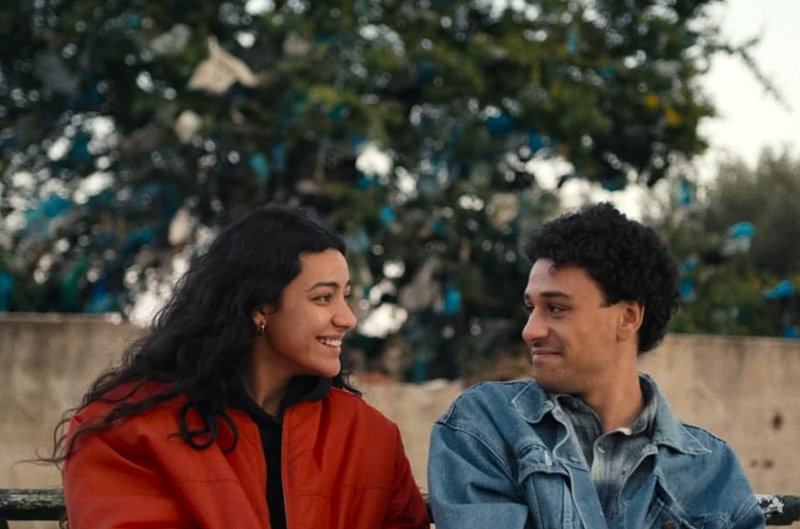
Rebellious 19-year-old Alyssa and shy 23-year-old Mehdi dream of escaping their reality. Upon discovering a contest offering a chance to flee, they embark on a road trip to southern Tunisia, overcoming obstacles along the way.
This is a charming, funny film which transforms road picture tropes into a series of meaningful moments due to the chemistry between the story’s two lead characters. Those moments stitch together a journey which challenges both Alyssa and Mehdi to discover inner truths about each other and their friendship. The movie is filled with arresting visuals and accompanied by a terrific soundtrack.
Here is a feature on the film’s writer and director Amel Guellaty.
The Virgin of the Quarry Lake
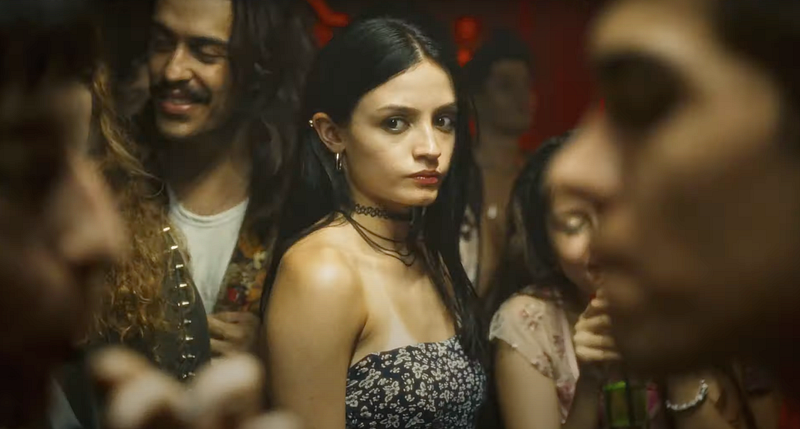
In 2001, three teenagers from the outskirts of Buenos Aires all fall in love with Diego. Natalia has always had the most chemistry with him, but when it seems inevitable their friendship will turn into something more, the older and more experienced Silvia appears and soon captures Diego’s attention.
The first half of the movie plays like a drama with simmering tension arising from a lusty triangle between Natalia, Diego, and Silvia, but the story gets increasingly sinister as Natalia uses dark arts to unleash the power of jealousy and revenge in a truly shocking ending. The movie is anchored by Oliverio’s compelling performance as Natalia.
Here is a trailer for the movie:
Two Women
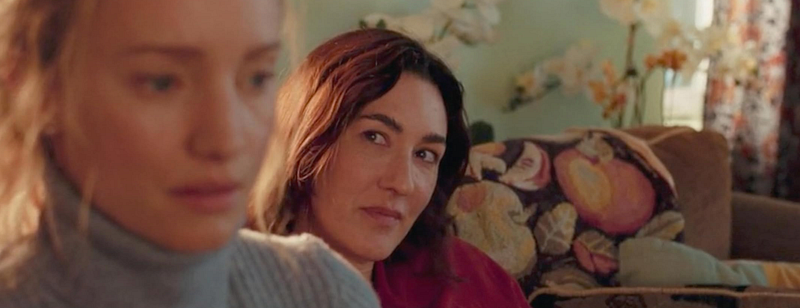
Violette is having a difficult maternity leave. Florence is dealing with depression. Despite their careers and families, they feel like failures. Florence’s first infidelity is a revelation. When having fun is far down the list of priorities, sleeping with a delivery guy could be revolutionary.
Filmed in Quebec, one might be tempted to portray Two Women as a comical sex romp. It is funny. And there is a lot of sex in the movie. But there is a deeper layer of discovery for both Violette (Laurence Leboeuf) and Florence (Karine Gonthier-Hyndman), a desire for personal autonomy and self-empowerment. The script is especially strong, a deft exploration of multiple characters with incisive, entertaining dialogue, and setups and payoffs galore. No the screenwriter Catherine Léger won the festival’s World Cinema Dramatic Special Jury Award for Writing.
Here is a feature on the film’s director Chloé Robichaud.
The Things You Kill
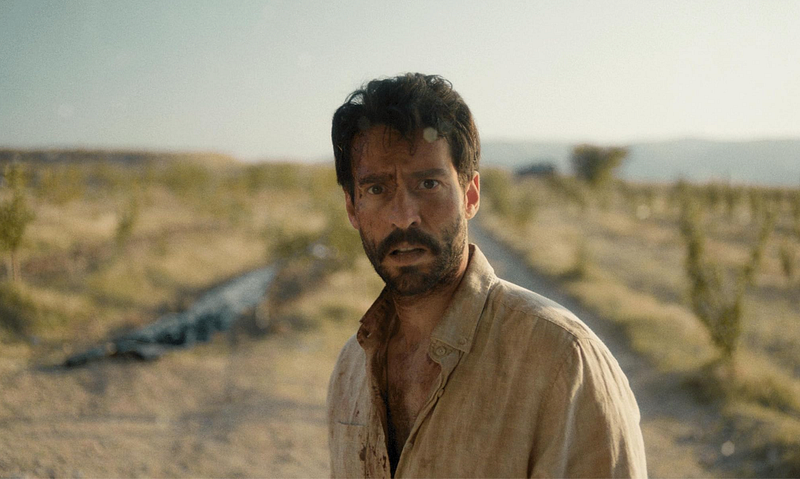
Haunted by the suspicious death of his ailing mother, a university professor coerces his enigmatic gardener to execute a cold-blooded act of vengeance.
I confess I take special pleasure in highlighting The Things You Kill because this superb suspense-thriller is written and directed by my good friend Ali Khatami. His previous two feature films, Oblivion Verses and Terrestrial Verses, are both excellent, but I advised Ali to direct a thriller as a way to gain more notice in the filmmaking universe.
With The Things You Kill, Ali stepped into the cinematic limelight at Sundance where he won the World Cinema, Dramatic Directing Award. Currently, the movie as a 96% rating on Rotten Tomatoes from 24 film critics.
The movie is set in Turkey, but as New York and Vulture film critic Bilge Ebiri notes in his excellent review, “with its overtones of Kafka, Dostoevsky, Lynch, and Hitchcock, the film could take place anywhere; it has cultural specificity and narrative universality.”
In the middle of the movie, the narrative makes a confounding pivot, but viewed in context of the entire story which constantly challenges the audience to embrace surprising character choices and plot twists, The Things You Kill is one of those films which inspire viewers to head to the nearest bar for drinks and story dissection.
Here is a feature on the film’s writer-director Alireza Khatami.
Congratulations, Ali! My next suggestion: A horror movie in English!
Sorry, Baby
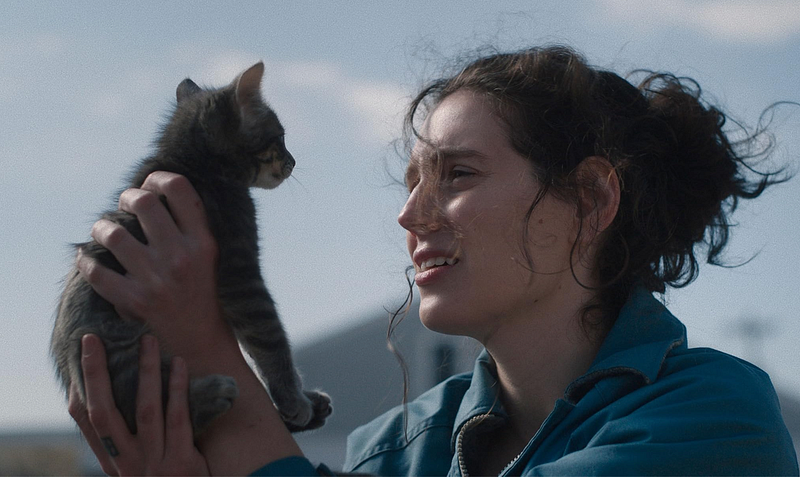
Something bad happened to Agnes. But life goes on… for everyone around her, at least.
My favorite movie of all-time is The Apartment, co-written by Billy Wilder and I.A.L. Diamond. One of the most remarkable features of the film is the delicate balance in tone it sustains between drama and humor. The subject matter is dark: marital infidelity, sexual manipulation, corporate politics, attempted suicide. Yet Wilder and Diamond manage to guide the story through copious narrative land minds and find humor along the way. The movie is both funny and dramatic, sometimes painfully so.
I may be the only person to make this comparison, but as I watched the credits roll for Sorry, Baby, I thought: The Apartment. Why? Because writer-director-and-lead-actor Eva Victor managed the same delicate balance. Dark subject matter infused with humor.
The “something bad” that happened to Eva’s character Agnes could have so easily turned this story toward melodrama, but Sorry, Baby exists in the nuanced, complex experience of friendship and betrayal … aspiration and suffering … intimacy and remorse.
The narrative is structured in five sections, each with a chapter title. The first is “The Year with the Baby,” not Agnes, but her best friend from graduate school days Lydie who announces she is pregnant. Subtly looming under their playful reconnection with Lydie’s visit and big announcement are some questions. Why has Agnes stayed at the small college where she attended grad school? Why does she live alone? Why has it taken Lydie such a long time to travel to see Agnes to rekindle their friendship?
Those questions are answered in the next chapter: “The Year with the Bad Thing.” Jumping back in time to when Agnes was a graduate student, while we may anticipate what the “bad thing” may be as soon as her academic mentor Preston Decker swoops into the story, the traumatic event is handled with a quiet, off-screen reserve. It’s a powerful storytelling choice which allows the terrible event to exist, but not dominate Anges’ life. It requires her to journey inward to deep places of regret, sadness, even shame, unwarranted as it may be, but through it all, Agnes demonstrates a flawed, but powerful emotional tool: her humor.
The “bad thing” happens, yes, but Agnes evolves and grows. The fledgling relationship she eventually consummates with her goofy, yet charming neighbor Gavin affords her space to reclaim her sexuality.
I could go on, but bottom line, the movie is a self-assured little gem which deftly explores a delicate balance of darkness and light in the Protagonist’s experience.
I was so impressed with the storytelling, I reached out to one of the film’s production companies requesting a copy of the script. To date, no luck. But it’s no surprise to me it won the festival’s Waldo Salt Screenwriting Award. Sorry, Baby is an audacious filmmaking debut by Eva Victor.
A video Q&A with the filmmaker from this year’s Sundance Film Festival.
Other movies of note from this year’s festival: Sunfish (& Other Stories on Green Lake), Sabar Bonda, and Omaha. I was all set to screen Twinless, but some mofo evidently tried to illegally record it, so the festival withdrew the film from online viewing. I hear the movie is excellent.
Interesting note: Four of my favorite festival films are international movies: Tunisia, Argentina, Canada, Turkey. And Ali Khatami, the writer-director of The Things You Kill is an Iranian filmmaker. This is not a surprise. Sundance annually highlights cinematic storytellers from around the world.
To learn more about the Sundance Film Festival, go here.
For a list of movie deals from this year’s festival, go here.