My Favorite Five Films at the 2024 Sundance Film Festival
Amidst a strong slate of movies, these five films stood out.

Amidst a strong slate of movies, these five films stood out.
I had hoped to get back to Park City this year, but my schedule didn’t permit me to make the trek to Utah. However, my press pass enabled me to screen thirteen movies remotely of which these five made the strongest impression on me.
A Real Pain

Cousins David and Benji reunite for a tour through Poland to honor their beloved grandmother. The adventure takes a turn when the pair’s old tensions resurface against the backdrop of their family history.
Starring Kieran Culkin and Jesse Eisenberg, who wrote and directed the film, A Real Pain takes a conventional narrative conceit — a mismatched buddy road trip — and does a good job exploring the complex psychological natures of the two lead characters and the impact of their relationship on each other.
The movie is a follow-up to Eisenberg’s debut writing-directing 2022 Sundance entry When You Finish Saving the World which I also enjoyed. Eisenberg won the annual Sundance Waldo Salt Screenwriting Award. Here is the jury citation:
We felt this script was not only nuanced but extremely well balanced. The writer’s ability to marry darkness with comedy really impressed us. There were moments where we didn’t know if we should be laughing or crying. This poignant script featured a range of diverse voices that all rang true. We never knew where a sentence would land or where a character would end up — and that is why we felt the screenwriting should be highlighted and acknowledged with this prestigious award.
Sujo
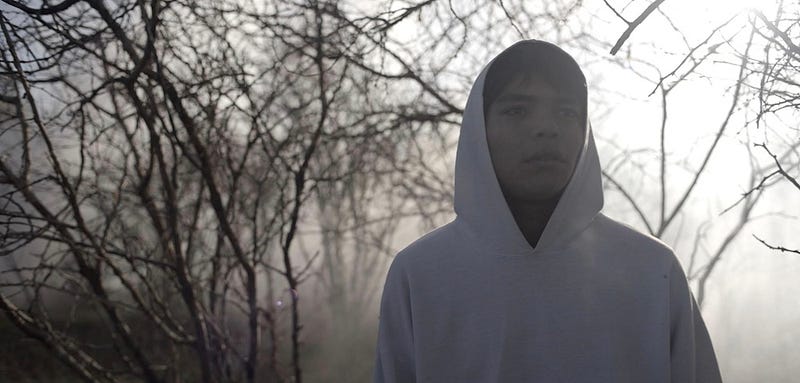
When a cartel gunman is killed, he leaves behind Sujo, his beloved 4-year-old son. The shadow of violence surrounds Sujo during each stage of his life in the isolated Mexican countryside. As he grows into a man, Sujo finds that fulfilling his father’s destiny may be inescapable.
Sujo is perhaps the most cinematic movie on my list. Directed brilliantly by Astrid Rondero and Fernanda Valadez, the film’s depiction of the rural Mexico environment and the predominant influence of the cartel subculture there is gripping. The Protagonist’s (Sujo) fate appears to be set in stone based on events beyond the four year-old boy’s control. As a teen, his escape to the city and the intervention of a school teacher, a wonderful Mentor figure, widens the possibilities for Sujo and his future.
The film won the World Cinema Grand Jury Prize: Dramatic. Here is the jury’s citation:
A breathtaking film that created its own unique cinematic vocabulary — of a childhood born around violence yet protected by the embrace of women, strangers and family alike. The story came alive with extraordinary cinematography that captured a lyrical intensity of darkness, nature and aspiration. The filmmakers brought us a story as yet unseen, with an originality and power that is deeply affecting and transcendent.
Good One

On a weekend backpacking trip in the Catskills, 17-year-old Sam contends with the competing egos of her father and his oldest friend.
Seen through the lens of The Heroine’s Journey, this is a simple, but evocative narrative where the seemingly mundane events that transpire on a friendly weekend camping trip impact the Protagonist (Sam) in her own inner journey. The film marks the acting debut of Lily Collias in the lead role and her performance is graced with nuance and emotional texture. On the surface, the agendas of the two males (Sam’s father and his best friend) dominate the Plotline, but amidst their actions, it is Sam who comes away from the sojourn with the deepest self-revelation. Marking the directing debut of India Donaldson, Good One is a subtle story set against a lush backdrop of mountainous forests, streams, and waterfalls, a visual feast.
Didi
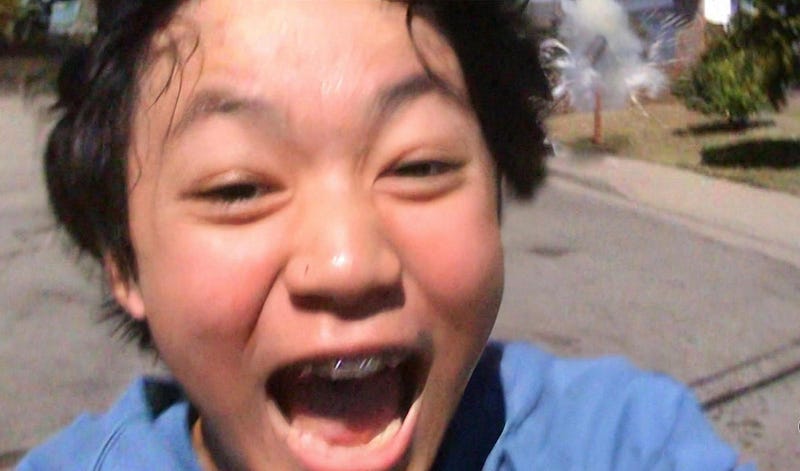
In 2008, during the last month of summer before high school begins, an impressionable 13-year-old Taiwanese American boy learns what his family can’t teach him: how to skate, how to flirt, and how to love your mom.
Sean Wang, the film’s writer-director, described the inspiration for Didi being 80s movies such as Stand By Me. More humorous than that 1986 movie, Didi does exude an affection for the time period in which it takes place, when youths were caught up in AIM emoticons and MySpace posts. Its most unique narrative element is the ethnic identity of the Protagonist (Chris “Didi” Wang) and his attempts to discover his self-identity amidst the largely white suburban high school subculture and his Taiwanese heritage. At times hysterical, other times gut-wrenching, Didi marks a notable directing debut for Wang in this homage to his own adolescent experiences.
In the Land of Brothers
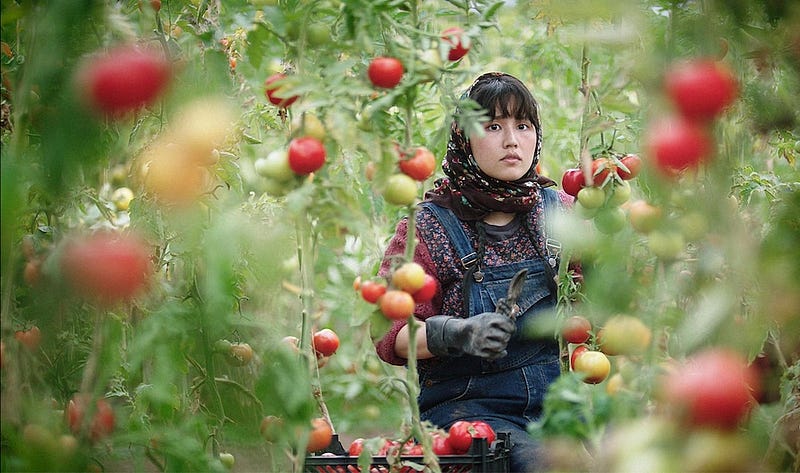
Three members of an extended Afghan family start their lives over in Iran as refugees, unaware they face a decades-long struggle ahead to be “at home.”
This was the final Sundance movie I screened and the most emotionally gripping. With a narrative structure of three tales, interconnected by overlapping characters, each explores the hopes and travails of Afghan immigrants struggling to survive on the fringes of Iranian society. Co-written and co-directed by Alireza Ghasemi and Raha Amirfazli, the movie is filled with striking visuals which create a tapestry against which the lead actors shine in their roles: The saga of Mohammad, Leila, and Qasem, building to a powerful, heart-rending conclusion, creates undeniable points of human connection making the film deeply relevant at a time when immigration is such a hot-wire subject in the political realm.
Other movies of note: Thelma, Girls Will Be Girls, and Handling the Undead.
To learn more about the Sundance Film Festival, go here.
For a list of movie deals at this year’s Festival, go here.
Unfortunately, I was unable to screen Ghostlight, co-directed by DePaul University School of Cinematic Arts graduate Alex Thompson (MFA ‘17), but I was happy to see it was picked up for distribution by IFC Films. Check out this glowing IndieWire review.