Is My Screenplay Big Enough to Be a Movie, Part 1: Story Concept
This is a fundamental question screenwriters must ask themselves at all stages of a screenplay’s development and writing. Why? Because it’s…
This is a fundamental question screenwriters must ask themselves at all stages of a screenplay’s development and writing. Why? Because it’s a question movie studio execs will ask as one of the key determining factors whether to say ‘yes’ or ‘no’ to buy your script.
“Is my screenplay big enough to be a movie?”
This is a fundamental question screenwriters must ask themselves at all stages of a screenplay’s development and writing. Why? Because it’s a question movie studio execs will ask as one of the key determining factors whether to say ‘yes’ or ‘no’ to buy your script.
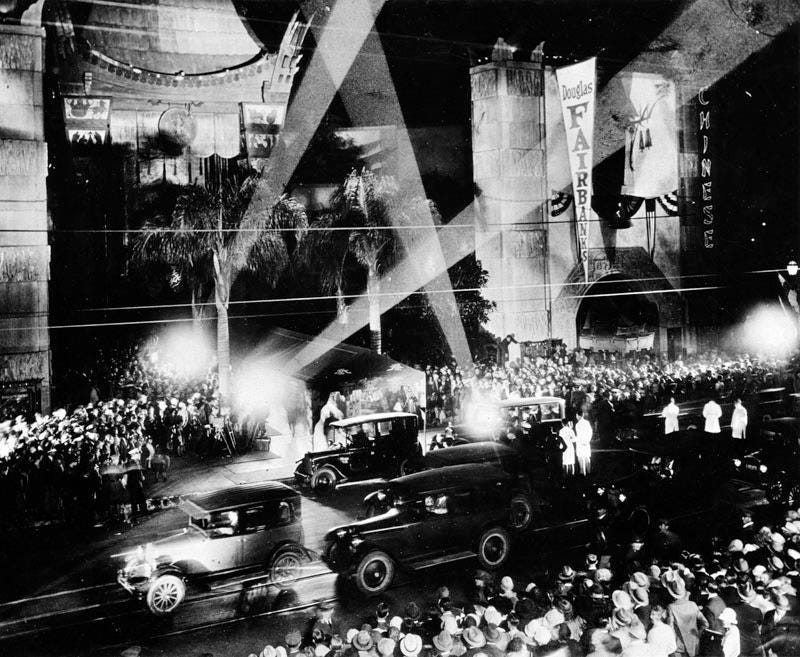
For years, movies have been known as playing on “The Big Screen,” as opposed to TV (the “small” screen). Typically movies have big budgets, big marketing campaigns, and big stars. Their running times, clocking in at an average of two hours, are big. The film industry is our nation’s second biggest export business (behind airplane manufacturing). So much about movies is about being big.
Being ‘big enough’ pertains not only to huge blockbuster action-thrillers, but also to small character-driven scripts. While the plot may be ‘small’ in scope, what happens and what those events mean to the story’s characters must have a ‘big’ enough meaning and emotional resonance with a big enough potential audience to warrant a studio’s green light.
The central question here — Is my script big enough to be a movie — is a… well… big topic. What I’ve done is put together 10 questions you can ask in relation to any of your writing projects, current and future, to test if it’s big enough to be a movie. I’ll be posting these questions over the next few weeks.
PART 1: DOES MY SCRIPT HAVE A BIG ENOUGH STORY CONCEPT?
A significant part of a studio’s assessment of any screenplay submission is the central story concept. I say this because marketing movies has become as important to the studios as the script development process (the cost of marketing a major studio movie can be $50M or more). And after A-list actors who are well-known box office draws, the single most important component of a marketing campaign is the movie’s story concept — which is why high-concepts still rule the day.
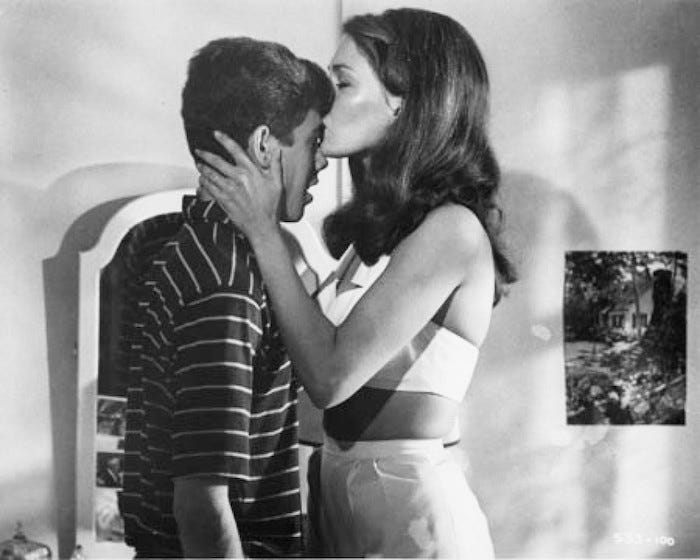
The experiences you had during the summer when you were fifteen might be meaningful to you, but are they ‘big enough’ to be a movie? Likely not. But if, say, you had an affair with a beautiful young woman, twice your age, who had just discovered her soldier husband had died, maybe you do have a big enough story to tell, as they did when they produced Summer of ‘42.
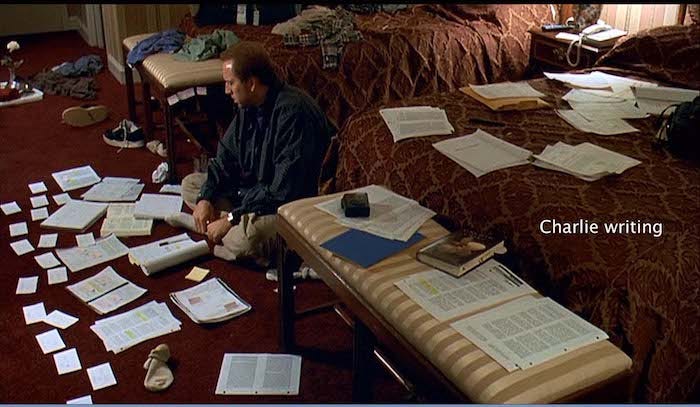
What about Adaptation? Screenwriter gets stuck adapting a novel into a screenplay. That sounds as exciting as watching the proverbial paint dry. But it’s now been the basis of two hit movies — Adaptation and Sunset Blvd., so there must be something there. Interesting that both stories involve mysteries, murder, and larger than life characters, and it makes one wonder had they not included those narrative elements, if those screenplays would have been ‘big enough’ to become movies.
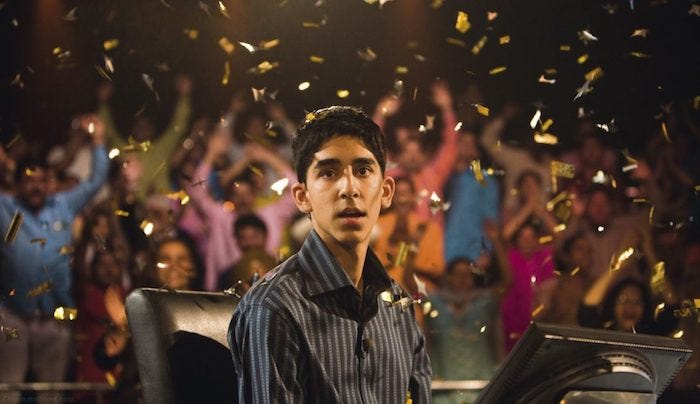
If I ask you to consider whether The Dark Knight’s story concept is big enough, you’d just laugh. Of course, it’s big… everything about the movie is big. But what is it about Slumdog Millionaire that makes it ‘big?’ What is it about Milk? Frost/Nixon? What’s big about those story concepts?
Slumdog Millionaire
- The Protagonist is an orphan who grew up in the slums
- He is a contestant on a nationally televised game show
- He is one question away from winning $20M
- He gets arrested by the police
- He has had violent encounters with local gangs
- He is part of an improbable love story
- It is a classic underdog story
- The story is set in India, a big, mysterious (to the West), and visually alluring world
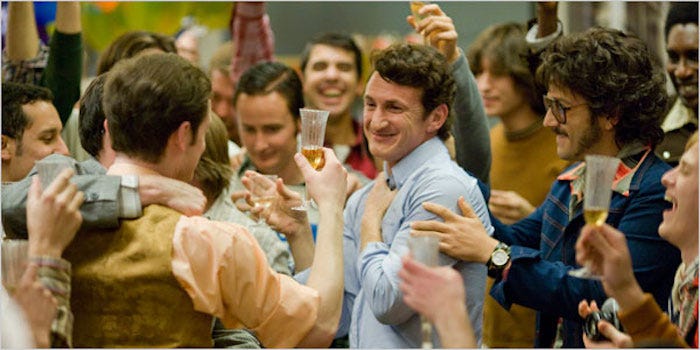
Milk
- The story is based on the real life figure of Harvey Milk
- Milk was the first openly gay elected official in California
- Milk was assassinated, an infamous incident in U.S. history
- The story tracks the assimilation of the homosexual culture into the mainstream of American life
- The evolution of Milk’s life — coming out to becoming a political leader — is a gripping story of transformation
Frost/Nixon
- Even though the movie is essentially two talking heads, they are two famous heads
- The events in the movie are based on an actual historic interview
- Nixon was a former president, one who left office in disgrace
- The two men represent opposing side of the 60s culture wars
- The interview set-up builds in conflict between the two characters
- The story provides insight into the inner workings of two compelling figures

Is my screenplay big enough to be a movie?
The first question goes directly to your script’s heart — the story concept. And while it does not need as big a canvas as The Dark Knight, the core elements of your story concept must be big enough to feel like something that belongs on The Big Screen.
Tomorrow another question: “Does my script have big enough characters?”