Interview (Written): Sian Heder
A conversation with the writer-director of the movie CODA which has debuted this weekend at the 2021 Sundance Film Festival.
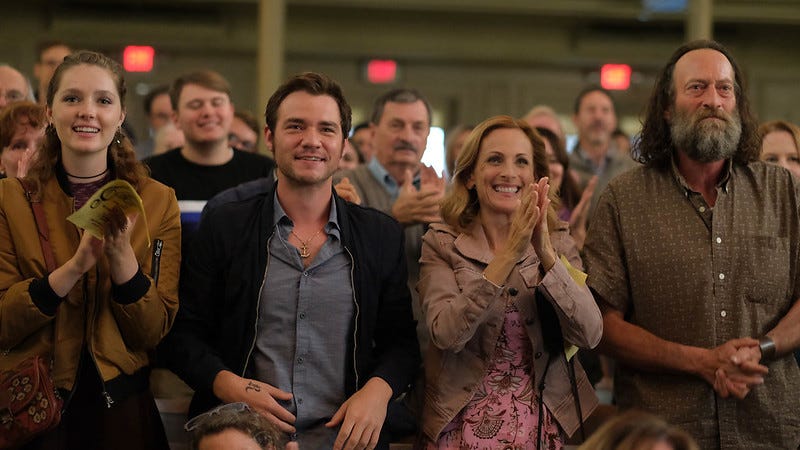
A conversation with the writer-director of the movie CODA which has debuted this weekend at the 2021 Sundance Film Festival.
I saw five films yesterday at the 2021 Sundance Film Festival, ending with the best of the bunch… by far. CODA is a wonderful film beautifully told. In many respects, it is a conventional story about a young person figuring out who they are in the context of a family situation which inhibits her choices, but the characters are so authentic, compelling, and heartfelt, it just goes to show the adage ‘Simple Plot. Complex Characters.’ still prevails in filmmaking.
Here is an excerpt from a Playlist interview with writer director Sian Heder.
“CODA” is the remake of a French movie, “La Famille Bélier.” How did you come across this, and decide to adapt it to a very specific American family in a very specific locale, around Cape Ann, Gloucester Massachusetts?
It was actually after I was at Sundance with “Tallulah,” when I first met with the producers Patrick Wachsberger and Philippe Rousselet. Philippe had produced the French film “La Famille Bélier,” and they were interested in doing a remake for an American audience, but also they were interested in finding a filmmaker who could bring their own voice to the project and take the premise of the film to a wholly original movie. I grew up in Cambridge, Massachusetts, and I knew the town of Gloucester really well. Over the years I have watched the fishing community there really get decimated, particularly family fishermen, by regulations. While I am an environmentalist and fully support regulating commercial fishing, I think the target, the consequence of this was that big corporations were still fine, and the family fishermen really got the brunt of the economic pain from that. A lot of family fishing boats had to stop fishing after many, many generations of doing that. So I was excited by setting something in that world.
Because I’m from Boston, [I know] the humor of those characters and the people in that town. I really felt like it was also an opportunity with a remake to have a kind of authenticity, in terms of portraying this Deaf family, casting Deaf actors in those roles, and really getting to explore this particular family. And also, it needed a cultural specificity that I was invested in creating.
— —
I have to say, I do love that you didn’t shy away from sex in CODA. The parents are crazy for each other and emphasizing their sexuality felt radical to me when society often chooses to think of it as secondary or even non-existent, especially when we’re talking about either Deaf individuals or people with disabilities.
I grew up with two artist parents who were very open about sex. I remember just as a kid being super mortified that my parents were so blunt and open around my friends. So some of that is probably infused with my own childhood. But I do think, characters with disabilities have been portrayed in a very limited way for a long time. I think with all of my work, be it on “Orange Is the New Black,” or on “Little America,” or any of the things that I’ve worked on, I really am invested in subverting stereotypes and in surprising an audience with the humanity of the characters. It was very important to me that this not be the story of this generalized Deaf family. This is a very specific family. They’re fishermen, and they have their own culture within their town, and they have their own dynamics and conflicts, both generationally from the character of Leo, who is completely in a different place than his parents in terms of how he thinks they should be interacting with the world. So it was just important to me that they swear, and they’re dirty, and they laugh with each other, and they bust each other’s balls in the way that my family does. It just feels like a very universal thing.
I think we have to move into different kinds of portrayals of disability, so that it’s not always seen as noble or long-suffering or these tropes that have been in the media for a really long time that are very harmful to these communities.
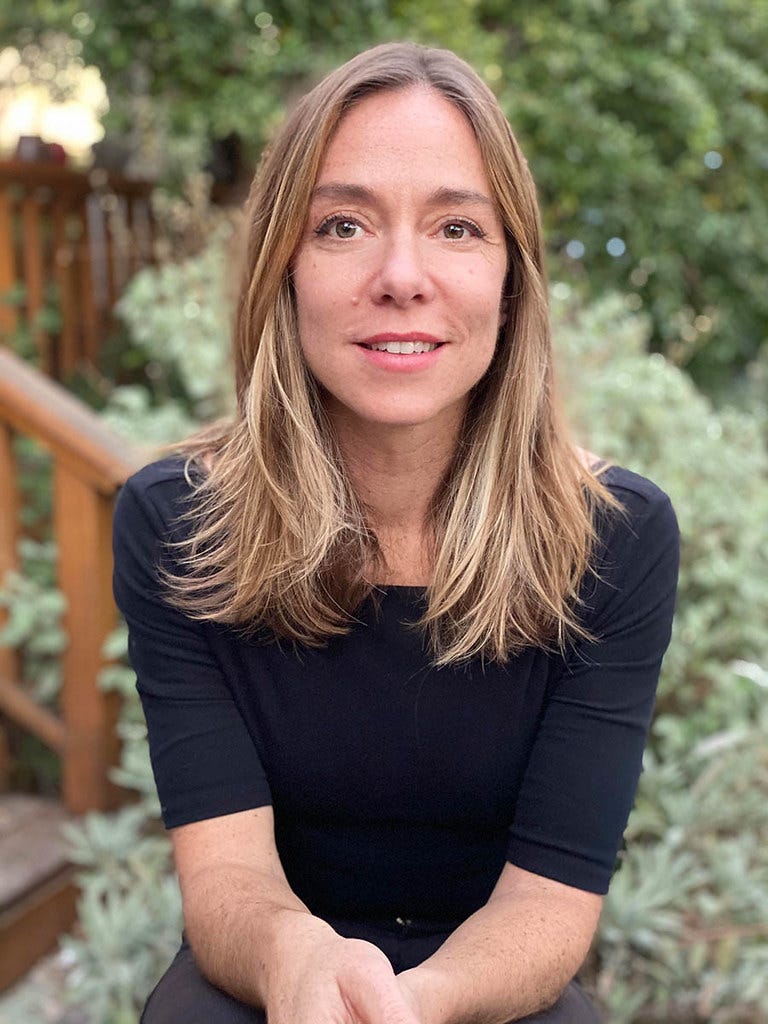
Here is a brief video with Heder which features some clips from the movie:
Twitter: @sianheder.
For the rest of the Playlist interview, go here.
For 100s more interviews with screenwriters and filmmakers hosted at Go Into The Story, go here.