Interview (Written): Leigh Whannell
Conversation with the writer-director of The Invisible Man.
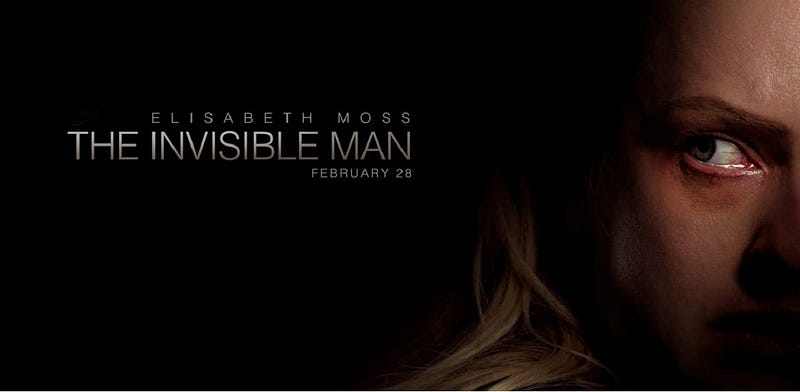
Conversation with the writer-director of The Invisible Man.
Leigh Whannell, whose screenwriting credits include Saw and Insidious, is back with another horror film — The Invisible Man which he wrote and directed. Here is a Screen Rant interview with Whannell.
What first inspired you to flip the script on this story and make it about the victim?
Leigh Whannell: I think what inspired me was the idea of making The Invisible Man scary. I don’t know that I’ve seen a truly terrifying Invisible Man movie. I’ve obviously seen the original film, but it plays in a very historical context. You know, what scares audiences in 1933 isn’t going to work in 2020.
So, my first thought was, “How do I make this character truly chilling and terrifying?” And that led to me thinking, “Well, you’ve got to make him mysterious.” The film can’t be about the Invisible Man; it needs to be about the victim of The Invisible Man, the person that he’s stalking. And that was basically it. That was how I came up with that.
And you did an amazing job in the script, and with everything in the production giving us the message that you have to believe her story, without hitting us over the head with it. How much did you delve into the abusive backstory with the actors when you were discussing it? Because the story stems from that, even though we don’t get to see their relationship.
Leigh Whannell: I mean, I talked to Lizzie a lot. Elisabeth and I had a lot of conversations. Before we started shooting, we would sit in a room for hours — we would set aside three or four hours to just sit and go through the script and talk. And she really gave me this invaluable female perspective on it that I needed. That was the missing piece of the script; that true female insight.
She would talk to me about situation she’d been in where she was uncomfortable. And she’s lived through, like many women, relationships like this; where she’s felt unsafe or she’s felt that the person is manipulating her or being verbally abusive. So, there was this firsthand insight into it. And that was, I think, the piece we needed to finish the film.
Also, I loved the way that the set was so open. Especially his house, where everything is glass and feels so visible. Was that on purpose? He’s invisible, so everything else is visible.
Leigh Whannell: It was a very deliberate choice for that exact reason you stated. The thing is, whenever I make a film — any film, but even a thriller like this — my first question is, “What am I going to do that’s unique? How can I make this different?” And the thing that comes to mind is the Invisible Man doesn’t need shadows to hide in. This is not a monster that needs to hide in the darkness. He could be standing next to you in a brightly lit dentist’s office, and you wouldn’t know.
So, I said to the cinematographer, “We need to turn the lights on.” I’ve made a lot of horror films with the lights off. Now we’re going to turn them on, which is disappointing for him to hear because cinematographers love darkness. They want to shoot shadows, and he doesn’t exactly want to turn the lights on. It’s not a pretty image. But I said, “We’re going to do something different here. We’re going to turn the lights on.”
I gave him the attic scene. He got to do it in complete darkness.
Here is the trailer for The Invisible Man:
That’s an interesting way to reinterpret The Invisible Man franchise which is part of the Universal Pictures horror roster of films, this one stretching back to 1933 based on the H.G. Wells novel.
Why not switch the narrative point of view to the victim of The Invisible Man?
For the rest of the Screen Rant interview, go here.
For 100s more interviews with screenwriters and filmmakers, go here.