Interview: Paul Schrader
An excellent conversation with the writer-director of First Reformed.
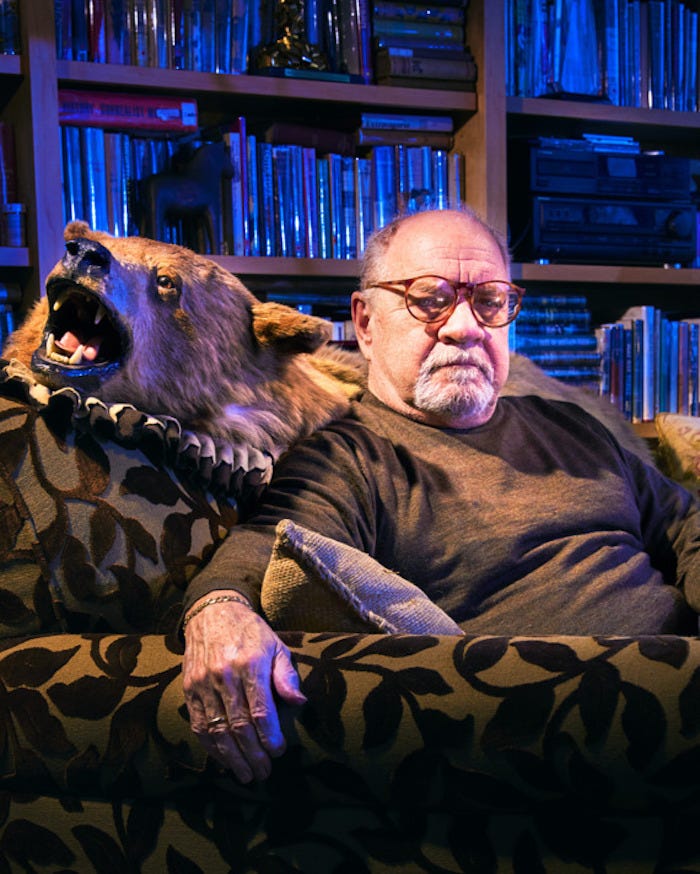
An excellent conversation with the writer-director of First Reformed.
A terrific interview by Mark Jacobson for Vulture of writer-director Paul Schrader whose screenwriting credits include Taxi Driver, Blue Collar, American Gigolo, Raging Bull, The Mosquito Coast, The Last Temptation of Chris, and his latest the excellent First Reformed which he also directed.
The interview is a wide-ranging one covering much of Schrader’s expansive movie career, but also a good deal of social commentary.
Things really changed for you when you sold the screenplay of The Yakuza for $300,000.
I remember I was having dinner with Pauline and Roger at the Algonquin. Roger volunteered to pick up the check, and Pauline said, “Don’t you touch that check. Don’t you realize he just sold a screenplay?”
That was really the beginning of something, wasn’t it? A gold-rush situation.
It started about ’67. And it was particularly the collapse of Hello Dolly! and Paint Your Wagon that really spooked Hollywood. ’Cause they were way over budget. And it’s hard to convey now how much insecurity and anger there was about the counterculture. Hollywood was angry, Sinatra was angry, they’re all angry. They thought, “It’s not our world anymore. And we have no idea how to sell what we sell to these kids.” Dominick Dunne has a picture book called The Way We Lived Then, and he describes a party he gave in Beverly Hills with all the old guard, in black tie. And Warren Beatty and Julie Christie walked in, in hippie garb. And he said that you could just see the Red Sea splitting. The venom steaming out of the room, you know? And the arrogance of Beatty and Christie. Rubbing it in their faces: “You are out. We are in.” So the studios were trying to figure out, “How do we sell to the youth market?” And so there was a window there where you could pitch. I remember Francis [Coppola] told me, “You just go in there, and you say to them, ‘Today is your lucky day, because all I care about is making money. And I know how to make money. And I’m gonna make some money for you.’” And he said, “They’re so insecure, they’ll believe you.”
So, I remember when that door opened. And I also remember exactly the moment it closed, which was in 1978. I was at Paramount prepping American Gigolo, and Barry Diller had come over, from ABC, to run Paramount. His head of market research was way on the other side of the lot. Barry took this guy from ABC, and put his office right in front of us. We had to go through this guy’s office to get to Barry. It was a signal to everybody, “We don’t need you to tell us what to make anymore. We figured it out. We’ll tell you now.”
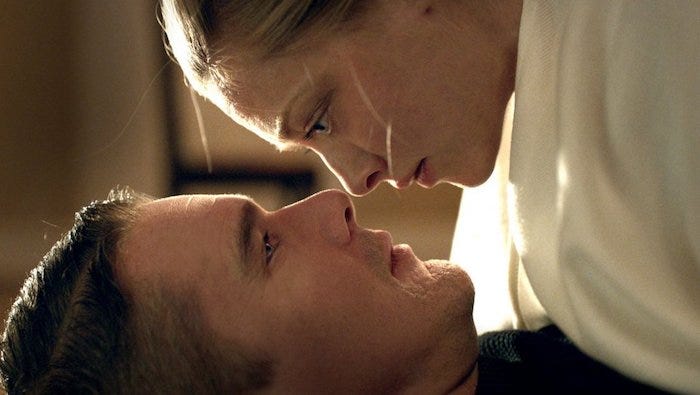
[Spoiler alert: The ending is revealed here.]
Don’t you think the end of First Reformed is completely optimistic?
No.
Seemed that way to me. They go off, they levitate, they see the universe, the universe is falling apart, even as they’re kissing each other. And then they decide to be in love anyhow.
Yeah, you’re just assuming that he’s alive.
What do you mean by that?
Isn’t it very odd that all of a sudden she’s there? And the room is bright? There’s no music? The room is bright, she suddenly appears, the camera starts swimming around. Could this not be an ecstatic experience?
Now that you mention it, yeah. But that’s not the way it came to me.
I’ve planned it both ways. When we tested it, I would ask people, “Is he alive, or is he dead?” ’Cause I wanted to keep it at 50/50. So we slightly changed the edit. I took out the action where she steps into the room. When you see her step in the room, it makes you think that she actually is there. But when she’s just there, she may be a vision. Here’s my favorite explanation for the ending. So you have this man in the garden with the cup. No one is going to take that cup away from him. So he drinks it. And then he falls on all fours, and starts disgorging his stomach. And then God walks in the room. God, who had never talked to him over the course of the film. And God says, “Reverend Toller, would you like to see what Heaven looks like? I’m going to show you right now. Heaven looks like one long kiss.” And that’s the last thing he sees.
Some years after Taxi Driver was released, interpretations starting popping up that the endingAfter a failed attempt to murder the senator, Travis Bickle (Robert De Niro) goes on a bloody rampage, killing men involved with controlling prostitution in the city. He is lauded by the media and Iris’s (Jodie Foster) father for saving her and the city from miscreants. Travis then picks up his ex-girlfriend in his cab, where she expresses remorse for rejecting him, before he leaves her behind. was all a dream. That wasn’t what we intended when we shot it. But, I thought, well, that’s fair enough. I don’t have a problem with that. If you want to interpret it that way, you can. So when I came to the ending of this one, I said, “Let’s build it right in. Let’s build it in there so you can interpret it either way.” Therefore I don’t know which one it is. I don’t have to say, and I don’t even have to know. Because I’ve built it in both ways.
When I saw First Reformed — which in my view is one of the top three movies of 2018 — I made a mental note to do a blog post: “It’s Taxi Driver in a church.” Glad to see that instinct proved to be on point.
Here are some scenes from the movie:
For the rest of the interview, go here.
For 100s more interviews with screenwriters and filmmakers, go here.