Interview (Part 5): Jonathan Levine
My interview with the 2022 Nicholl Fellowships in Screenwriting winner.
My interview with the 2022 Nicholl Fellowships in Screenwriting winner.
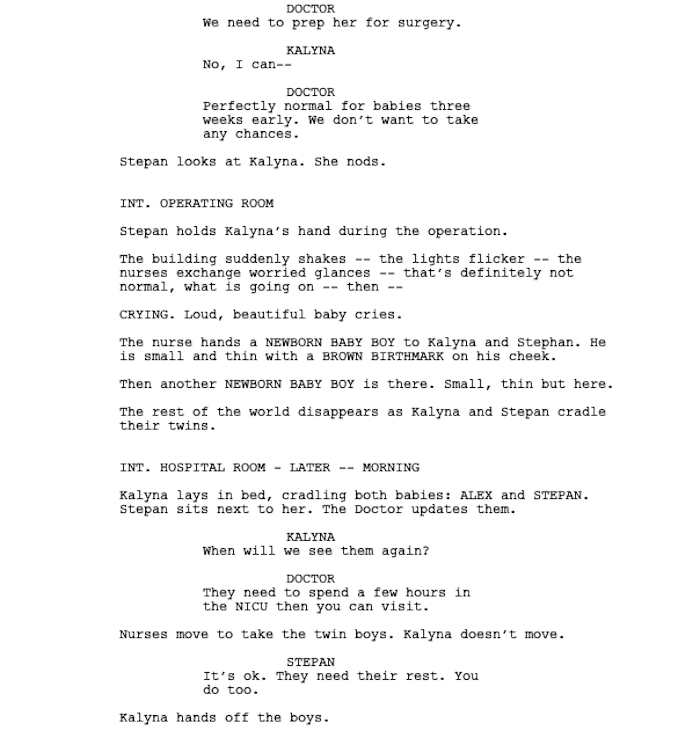
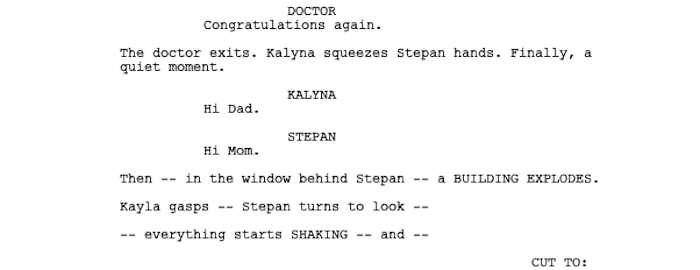
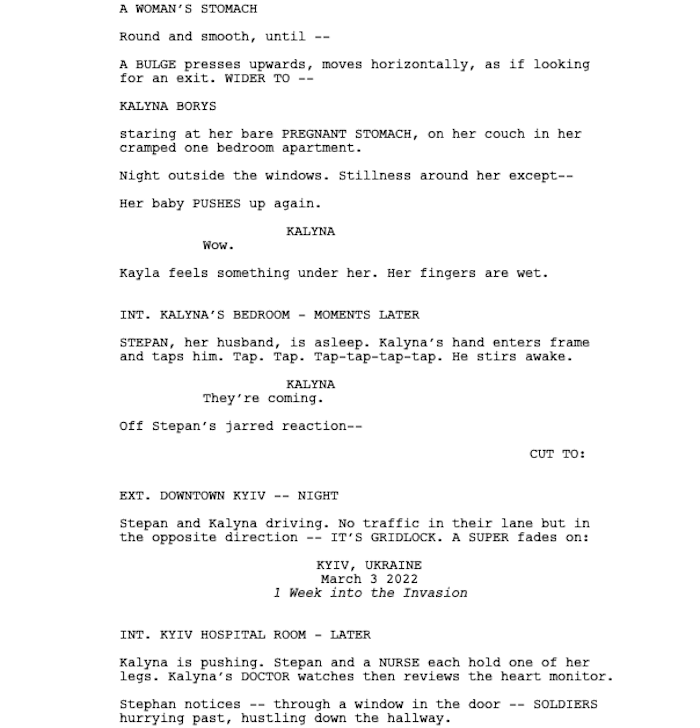
Jonathan Levine wrote the original screenplay “Operation Gemini” which won a 2022 Nicholl Fellowship in Screenwriting. I had the opportunity to chat with Jonathan about his creative background, his award-winning script, the craft of screenwriting, and what winning the Nicholl Award has meant to him.
Today in Part 5 of a 6-part series to run each day through Saturday, Jonathan shares what it was like to win a Nicholl screenwriting fellowship.
Scott: I do the Austin Film Festival pretty much every year. I moderated a panel last year where we were talking about scene description. A whole seventy-five minutes on scene description as action writing. It was really great to see these screenwriters just really getting in the weeds on that stuff.
Jonathan: There’s also a little weird game you can play: “You described this in six words, but could you do it in three?” Then you start cutting things down. How short can you make it? Maybe that’s the analytical mathematical part of my brain that enjoys that part.
Scott: Ah, that mantra: “Screenplay: Minimum words. Maximum impact.
Jonathan: That’s great.
Scott: One of the things I thought was quite interesting and maybe this just came up in your research, but several of the authority figures in the Ukrainian military are women.
Is that grounded in reality, or was it like you’re trying to…
Jonathan: All based on real people. The Ukrainian officer Lt. Strainer who helps the main characters when they arrive in Kyiv is based on a real woman and everything she does in the story, the whole operation — her loading the missile into the trunk of the car and keeping the car small and driving into the city — is all based on actual things they were doing. She is an amalgam of a couple of different women who are serving the military.
Over the past year, more and more stories have come out about how more and more Ukrainian women have joined the military to serve and how it’s changing the gender dynamic of the country, which is great.
I tried to honor all of these true stories of heroism I’ve been reading about. Kalyna was not the woman who gave birth to the twins for the couple in Chicago. Because our three main people are not actual people, I tried to make everybody around them based on an actual person. At least it felt like it kept it grounded and true.
Scott: Well, congratulations. It’s a really good read. I hope that in addition to winning the Nicholl, it moves forward. And speaking of the Nicholl, let’s talk about that experience. How was that for you?
Jonathan: I thought maybe the timeliness will work for me and become interesting, compelling, and make it so the script would stand out.
Like I said, it’s very surreal to hunker down and bang out the script that does so well. All the other scripts I’ve written and rewritten, and they’ve gotten better. I believe in all that.
The thing that’s been most shocking to me honestly about the Nicholl Fellowship is how… Yes, you get a plaque. Yes, you get to speak at the Academy Museum, but it’s the camaraderie with your other fellows that is really striking. Not just the ones that you meet this year but also the past years. I immediately have been welcomed in this alliance of writers who have won the Nicholl. Everybody wants to check in and see how everybody else is doing. That emotional nurturing has been very surprising to me. The head of the Nicholl committee, Eric Heisserer, has done a really great job connecting this year’s fellows with last year’s fellows and also with other industry people. It’s very nice to know that, if nothing else comes from the Nicholl experience, you’ve got a good group of friends who you can lean on.
Scott: Did you get to meet managers and potential reps and stuff during this process?
Jonathan: Yeah. I got about 30 or 40 requests to read from managers and agents to producers. I don’t have a representation. I’m still meeting with people trying to figure out what’s best for me, what’s best for where I am in my career.
Like I said, I went through this 13 years ago so I’m just taking this one day at a time. I’ve got my family, my job, and my dog. All these things keep me grounded and keep me focused. I don’t really have time to think about it too much. Just taking it one step at a time.
Scott: Well, congratulations. You provided me with a perfect segue to some craft questions. The first one is how do you come up with story ideas, and here you are. You’re trying to come up with the story concept that you want to work on for this Nicholl script, the next one you’re going to write. How do you come up with these ideas?
Jonathan: I have a theory that if I have an idea. I write it down then put it off to the side. Then I may have another movie idea, and I’ll write it down, stick it to the side. It’s like all the ideas will fight each other in your head. Then if you’re still thinking about that same idea a month later, then that one probably is the one that’s worth digging into further.
I’m trying to write something that speaks to me a little more emotionally because, because of all my other responsibilities, that’s the thing ultimately that is going to keep me: The emotional drive to tell this story or communicate this theme. I’m trying to connect with what that is. What’s the heart of the movie is more important than ever before right now.
Scott: I tell my students there’s two paths, people in Hollywood or screenwriters. One is, you’re writing what you think they buy. I know that a lot of writers say, “Don’t do that. Write whatever you’re most passionate about,” which is legitimate, of course.
I know a lot of writers, myself included, who made a living coming up with material that you feel like can fit into what you think Hollywood needs. The other path: Sell them your dream.
Jonathan: The emotionality of it is important, but also the idea that somebody will read it. That’s important too.
Scott: How about your prep writing process? Maybe it was a little different with this because you had such a short amount of time. How do you go about breaking a story?
Jonathan: I was a big fan of the notecard method: “Have an idea, write it on a notecard, put it into stack.” Over a few weeks, the notecard stack gets taller and taller. Then you lay out all the notecards and see if you can form a coherent story with everything you scribbled down.
I did a variation of this method for “Operation Gemini”. Because I had to work quickly, I gave myself two weeks to figure out the outline of the movie. I did it in a Google Drive document because it opened on my phone. [laughs] Anytime I would read a news article, find a cool scene or something, I would drop it into the Google Doc. As I was dropping them in, I’d organize it. By having to assign it a place in the story, I knew more quickly if it was working or not.
Then when the time came to actually write the thing, it was all ready for me. I still cut scenes, combined scenes, moved things around as I was writing pages, but it was a great roadmap.
Tomorrow in Part 6, Jonathan offers advice to screenwriters.
For Part 1 of the interview, go here.
For Part 2, go here.
For Part 3, go here.
For Part 4, go here.
Website: infinitivefilms.com.
For my interviews with every Nicholl Fellowships in Screenwriting winner since 2012, go here.