Interview (Part 3): Beth Curry
My interview with the 2020 Nicholl Fellowships in Screenwriting winner.
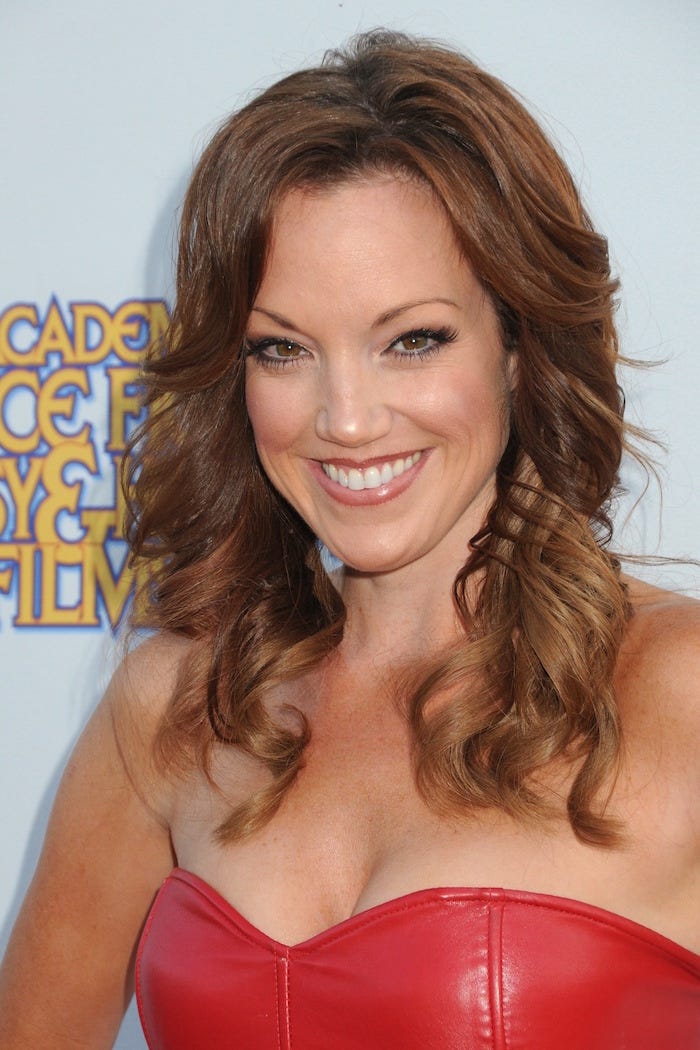
My interview with the 2020 Nicholl Fellowships in Screenwriting winner.
Beth Curry wrote the original screenplay “Lemon” which won a 2020 Nicholl Fellowship in Screenwriting. Recently, I had the opportunity to chat with Beth about her creative background, her award-winning script, the craft of screenwriting, and what winning the Nicholl Award has meant to her.
Today in Part 3 of a 6 part series to run each day through Saturday, Beth describes how the Protagonist’s dire circumstances led to the unfolding of the plot.
Scott: You mentioned the movie Room.
Beth: Sure, yeah.
Scott: Right? Yeah. Then The Beasts of the Southern Wild is more of that imaginative warrior type of a child, right?
Beth: Exactly, yeah.
Scott: You got a wonderful setup of the ordinary world, and then the mother dies. Eventually, though it takes some time, Lemon has to go out — heroine’s journey — leave the old world, go into the new world.
How much were you thinking about that from the beginning, the concept — we’re in the Joseph Campbell realm of leaving the ordinary world, going out into the extraordinary world, that type of thing — or was this more instinctual for you?
Beth: It’s pretty instinctual. When I outline things, it’s kind of a rough…I knew that she would run out of food, and I knew that she would have to go outside. I always had the image of her living in the closet. I love that image of someone living in a closet …while the person who lives there has no idea that they are there.
That to me is so freaky and delightful all at the same time. I knew that she would arrive there. Now, the Michael character — he wasn’t as fully formed in the first few drafts. He was more like a device than he was an actual human being, in the beginning, which took some sculpting.
Scott: There’s an interesting shift in the story I want to talk to you about later, but let’s get into this third character. We talked about Lemon. We’ve talked about Pip, the mom. Now the third character, Michael Archer. This is a guy who is living on his own, alone.
Lemon sees him and manages to stealth her way into his apartment and find his closet. There’s this interesting little sequence whereby she’s living there unbeknownst to him. Talk to me about Michael. You say he’s more of a device early on, but then it took a while for you to develop this character. How would you describe that character now that you got through this many drafts of the script?
Beth: Yeah, he was a device in the beginning. Then I think — was it my managers who read, and they said, “We want to know more about Michael. Why is he there? What’s his deal?” I knew that he was grieving, [clears throat] excuse me — but I didn’t know beyond that. I didn’t know the specifics of him. It was kind of a very broad painting job in the beginning.
Getting down to the details of him, it’s actually kind of interesting because I think the grief that he has is maybe something that Pip had. Grief, being all consuming and isolating…it changes somebody. I lost my mom when I was twenty-two. I lost my dad nine years ago.
Grief has always been something which I’ve learned to embrace in my life, but I think for a lot of people, it can lead you down a very isolated path. I really wanted to show how grief led Michael to places that he never anticipated, especially with alcoholism and whatnot.
Scott: I had a friend who was a poet. I was starting a script project the next day in which a character was confronting — they were terminally ill. I emailed him and said, “Could you just send me a poem about death?” He emailed me back and said, “Scott, all poems are about death.”
Beth: Are about death, yeah.
Scott: I have thought about that in terms of stories, whether you think of them physically or metaphorically. Death is a threat in the story. Pip has lost a husband and a son in a tragic way. Michael has lost —
Beth: Also tragically.
Scott: …a wife, again, and a son — and so does Lemon, who lost her mom. It’s not just people dying. It’s dying in sort of like the comet hits — boom. The beer truck comes and knocks ’em over. Do you think that was instinctual? It’s like speaking to the fragility of life?
Beth: Yeah, absolutely. I always say, with this story, it’s about two people who truly need each other… find each other. I feel like it’s so easy to isolate in times of grief and in times of — even right now. Even while we’re quarantined and while we’re separated, we need each other more than ever.
I feel like this is an ode to where we are — I didn’t know it at the time — obviously, before writing this, I had no idea 2020 would take a big poop all over us, but I feel like this is a time where we need each other. I think there needs to be stories that show us truly being human and needing each other. Needing connection.
For me, it’s two grieving people who find each other. And I love how Lemon has witnessed Michael when he doesn’t think he’s being seen. That level of honesty when we don’t realize we’re being watched.
Eventually, I want an actor for Michael…someone who can really allow themselves to be raw and stripped down. It’s a great role. To see somebody that stripped down is — I think we’re all intrigued by that.
Scott: Yeah, connection is a theme in the story. There’s a wonderful sequence whereby Lemon’s in the apartment, but Michael doesn’t know she’s there. That’s maybe 10, 12 pages or so. One thing that she witnesses is a bird slams into the patio door.
Michael has an incredibly emotional experience with this bird, and she witnesses this level of empathy that he’s got toward this wounded creature. Even as she is a survivor and she’s struggling to find a way to maintain herself so that she can continue her search for her father, which is a quest that is resolved in a different way, there’s a really incredible moment.
I’m going to read this to you, and I’m going to ask you if you remember the very first time you wrote this version of it. He’s sleeping, and she emerges from the closet.
“She edges up behind him and gently wraps her arms around him. He stirs a bit and ducks down. Once he settles back in, she stands up again and gently hugs him.”
Such a touching moment. Do you remember when you first came up with that idea or you first wrote that — what you were feeling?
Beth: Like I said, I always see things first. It’s me watching the movie and then keeping up with it as I write it. It was very clear to me that Lemon is heart-forward. She’s just wants to love and be loved.
For me, she sees that Michael’s hurt. He’s injured, and she just wants to try to make it better in whatever way she can in her seven, six-year-old brain.
Scott: It’s more out of her comforting him rather than her seeking out a measure of comfort as well?
Beth: I think it’s probably both, but my intent of it was for her to make sure he’s OK. Even though she’s completely broken as a character, she was used to nurturing Pip, so maybe she’s long for that familiarity in that moment. That comfort.
Scott: Yeah, but she’s got that guileless nature of a child, where she doesn’t — she’s just not got that kind circumspect to be able to realize that as much as an adult.
Beth: Right.
Here is a video of the moment Beth and her fellow writers learned they had won the 2020 Nicholl Fellowship in Screenwriting.
Tomorrow in Part 4, I ask Beth why she made an interesting pivot in the script from the Protagonist’s perspective to that of another character.
Beth is repped by Jenny Wood and Raquelle David at Elevate Entertainment.
Beth’s website: LINK
Totsy website: LINK
Twitter: @bethcurrywagner
For Part 1, go here.
For Part 2, go here.
For my interviews with every Nicholl Fellowships in Screenwriting winner since 2012, go here.
For my interviews with Black List writers, go here.