Interview: Erik Jendresen
A Creative Screenwriting article featuring reflections by the co-writer of Mission: Impossible — Dead Reckoning (Part 1).
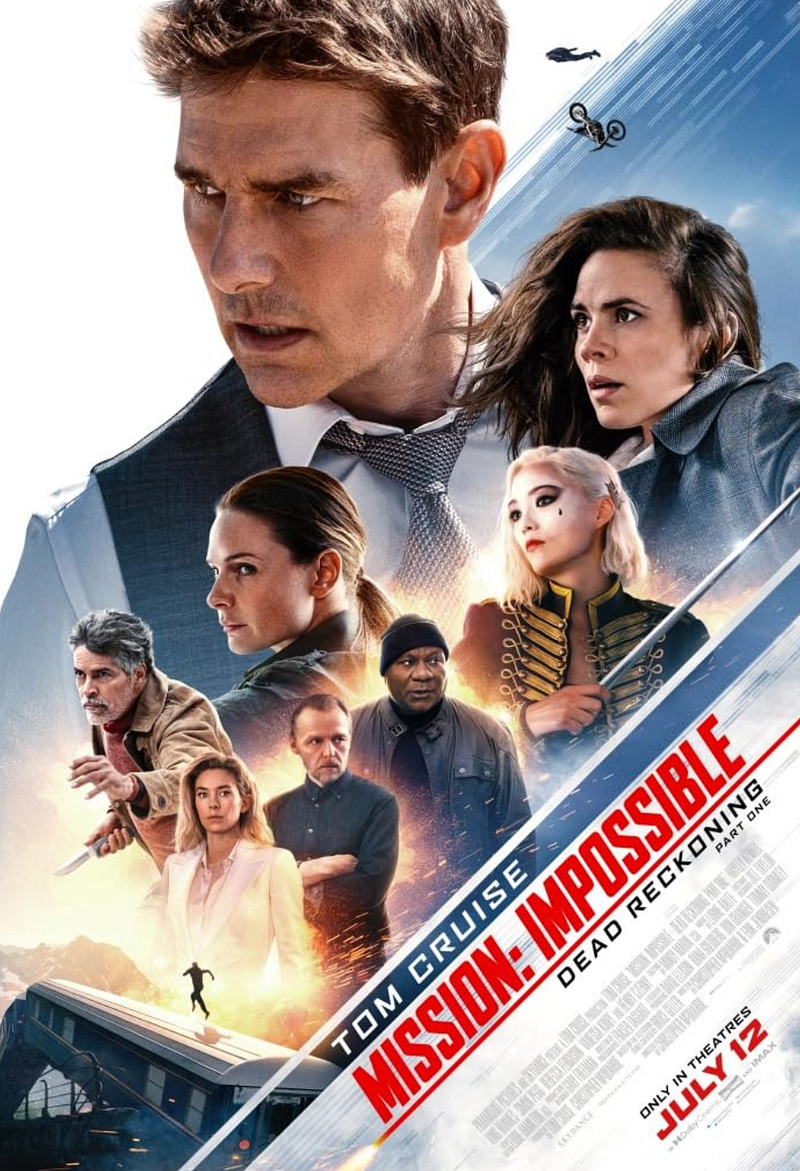
A Creative Screenwriting article featuring reflections by the co-writer of Mission: Impossible — Dead Reckoning (Part 1).
We have come to associate the Mission: Impossible franchise with writer-director Christopher McQuarrie, but the current feature is co-written by Erik Jendresen. Here are some excerpts from a Creative Screenwriting article featuring Jendresen’s reflections about working with McQuarrie on the newest entry into the M:I franchise.
“As a storyteller you really have to be Ethan Hunt, able to make split-second decisions, make the right decisions for the right reasons, and follow your gut. You must always serve character, serve feeling and emotion, and be very aware of the journey and the experience that you’re guiding this audience through.”
— —
“We’re really invested in the relationships between Ethan, Benji and Luther, Ilsa, and also the principle of what the IMF is all about. I think it’s something that people really embrace.”
“We discover so much in terms of how the characters feel about each other and what the consequences of their actions have created for them personally and in the world.
— —
“But the true constant with this franchise is emotion. It’s all about moving an audience, not just from one place to another in a story, but moving them emotionally, causing them to really feel, and be that connected to the to the action so that it’s really impactful.”
Note those words: Emotion. Feeling. I’ve read interviews with McQuarrie and the references Jendresen uses here to those two narrative dynamics echo what McQuarrie says. For all the spectacle and action, every scene … every sequence … every character relationship is grounded in the emotional throughline of the story.
What is our emotional connection to a story? It derives from caring about complex characters in compelling situations.
I tell my students: Action is meaningless without meaningful characters. And characters are meaningful when the audience feels an emotional connection to them.
A valuable reminder regardless of our story’s genre.
A trailer for the movie:
For the rest of the Creative Writing article, go here.
For 100s more interviews with screenwriters, storytellers, and filmmakers, go here.