Interview: Adam McKay
Conversations with the writer-director of the movie Vice.
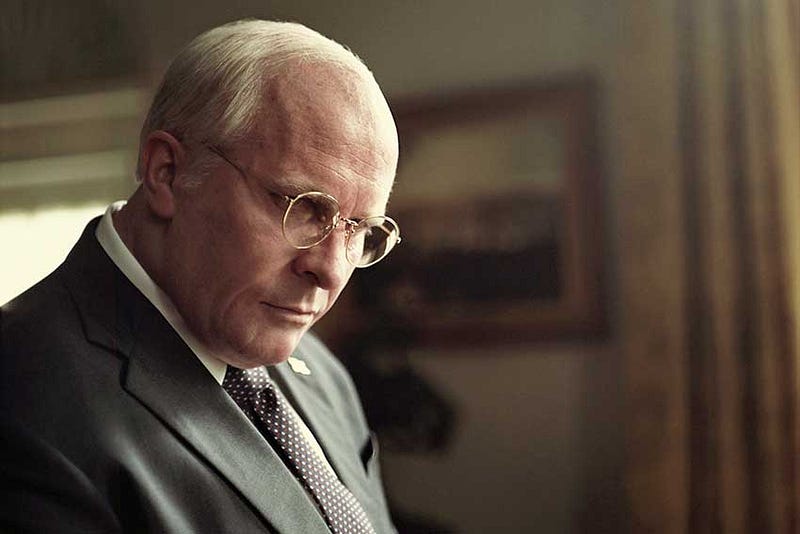
Conversations with the writer-director of the movie Vice.
Adam McKay is probably best known for broad comedies like Anchorman: The Legend of Ron Burgundy, Talladega Nights: The Ballad of Ricky Bobby, Step Brothers, The Campaign, and Get Hard. Recently, however, his creative interests have taken a turn toward more serious subject matter including The Big Short and his newest film Vice.
IMDb summary: The story of Dick Cheney, an unassuming bureaucratic Washington insider, who quietly wielded immense power as Vice President to George W. Bush, reshaping the country and the globe in ways that we still feel today.
Here is a ScreenRant interview with McKay about the movie Vice.
Screen Rant: How did you come to the idea of writing movie about Dick Cheney?
Adam McKay: I really enjoyed my experience with The Big Short. I really enjoyed the premise that there are things that are changing our world that we’re not always seeing or fully acknowledging. Sometimes we kind of see them. And I had the flu and I was at home just bumming around for two weeks and had some Dick Cheney book on my shelf that I started reading. And I was like, “Holy moly. I knew the guy had outsized influence as VP, but I didn’t know this.” And I just kept reading and reading. And I was like, “Oh my God, I think this quiet, mono syllabic guy changed world history.” And so, then to check my own work, I just kept reading and reading and I got articles and interviews. And then, eventually one day I called my producers Kevin Messick and Will, and I just said, “I think we’re doing a Dick Cheney movie.”
Screen Rant: The tone of the film, which I think you did an amazing balance of. It’s very funny, but it does get into some really dramatic stuff. I feel like one of things I want to ask is, how were you able to make sure you were going in the right direction with the tone, especially because the film, starts off with this very, I think the first title card to me, it’s like, this tells me the movie. It’s like, how did you decide what’s too far or am I going into the right direction in that? How’d you feel about that?
Adam McKay: There’s a little bit of just kind of steering into the void with that. Because what we do know is that we’re living in times that have shattered tone. Right? We know that the types of comedies that I did way back when, like Anchorman and Step Brothers, they’re not around anymore. And we just finished that TV show Succession, which is like really dark but also really funny. And so, we trusted that, I sort of believe we’re in like a post-genre period. I really do. And you look at the movie Get Out, which I think is one of the most strikingly original brilliant films I’ve seen in the last 10 years. And so, our belief in this movie was, “let it be whatever it needs to be and that audiences can handle it.” Something can be horribly tragic, tear inducing tragic, and something can be funny, or it can split the structure, and audiences can handle it. And I think we just, the saturation of media we have now with streaming and YouTube and all of that, audiences have gotten really sharp. So, in that sense, we kind of just acted like tone, it’s a balancing act. Don’t get me wrong, we’re not going to just haphazardly do it. But, we just sort of steered into the blackness in that case.
That’s a really interesting point about the state of comedy films nowadays, how we are in a “post-genre period”. McKay achieved that delicate balancing act of business, tragedy, drama, and comedy in The Big Short. By many accounts, he has done something similar with Vice, swapping out business for politics.
Here are some other interviews with McKay:
Here is a trailer for the movie:
For the rest of the ScreenRant interview, go here.
For 100s more interviews with screenwriters and filmmakers, go here.
Twitter: @GhostPanther, @screenrant.