How to Write a Marketable Screenplay
Tips from a presentation at the Pittsburgh Shorts Filmmaker Conference.

Tips from a presentation at the Pittsburgh Shorts Filmmaker Conference.

A few years ago, I was invited by the fine folks who oversee the Pittsburgh Shorts Film Festival to speak at their inaugural Filmmaker Conference. The subject they requested I cover: How to Write a Marketable Screenplay. I focused my comments on three areas: Concept. Character. Voice.
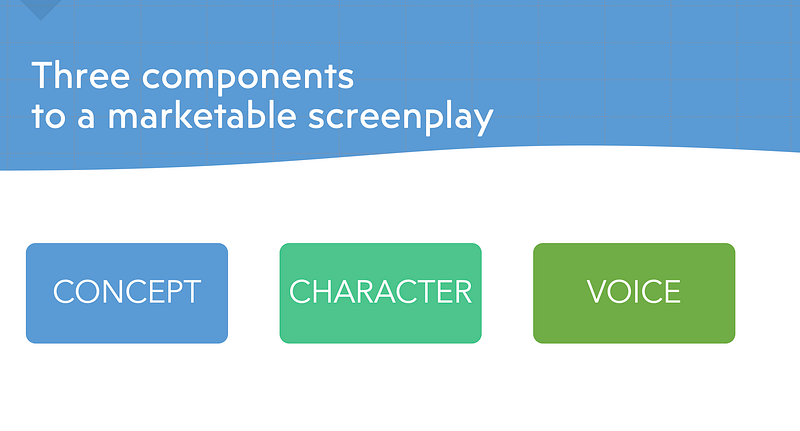
I thought I’d share highlights from my presentation. Today: Concept. I began by stressing how important a story concept is to the success of a spec script.
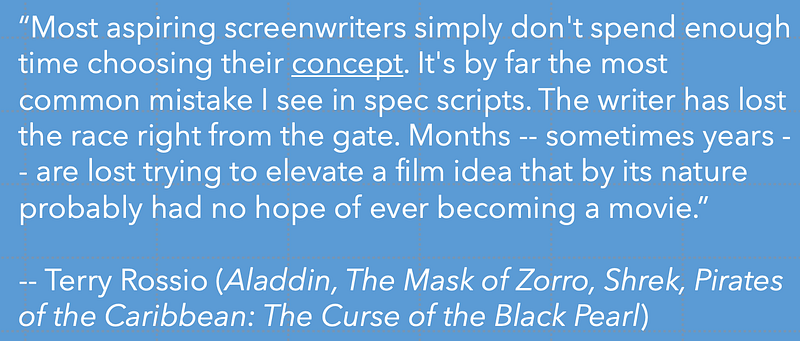
I went into some depth about why story concepts are a critical concern to screenwriters, especially nowadays when it is so difficult to set up original stories, due to Hollywood’s addiction to preexisting content. This reality is due to several factors, not the least of which is how fearful executives are to green light projects based on an original idea. I’ve even had a producer tell me he considers such projects as “untested.” The risk factor is considerably less if a project is similar but different to an already successful movie.

Given this business climate, there is one upside for screenwriters: When generating story concepts, we can recycle ideas.
Take the core concept of a previous film or TV series, then give it a spin which transforms it into something different. For example, we can bend the genre of a preexisting story.
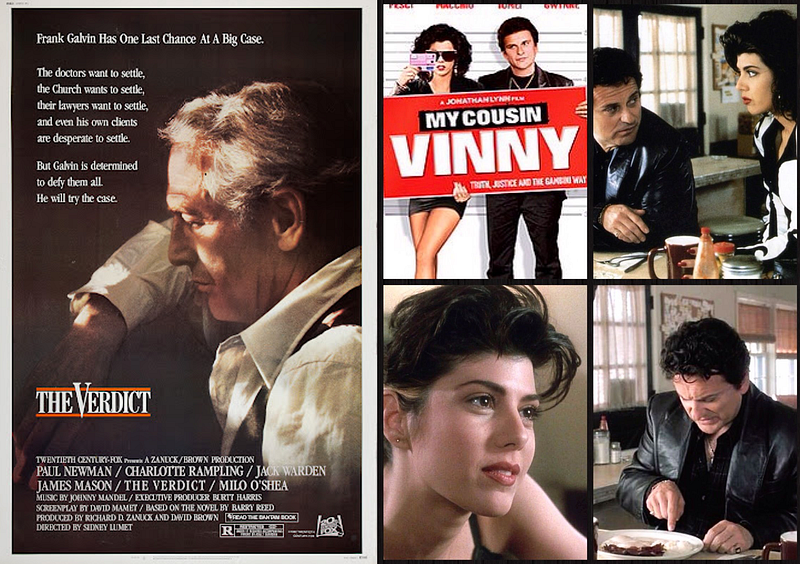
I offered several examples including taking a drama like The Verdict and turn it into a comedy like My Cousin Vinny.
We can also gender-bend stories: Take a successful movie’s core concept and switch the gender of the lead characters.
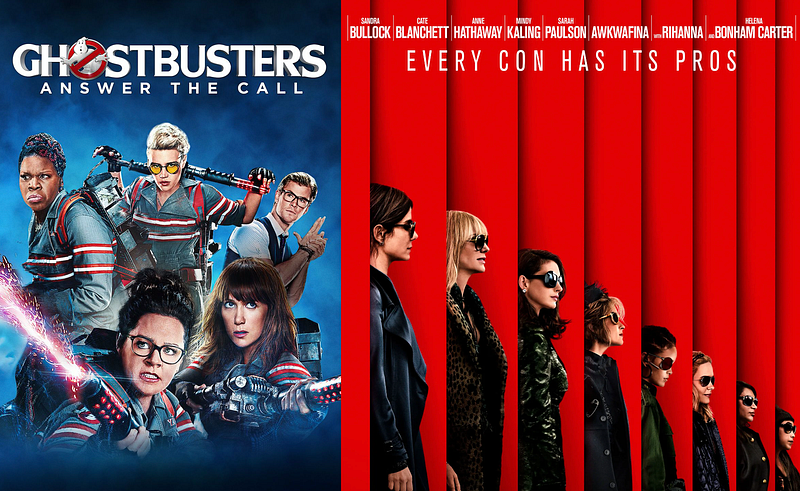
Hollywood has embraced this big time with the so-called “shequels” like Ghostbusters and Ocean’s 8.
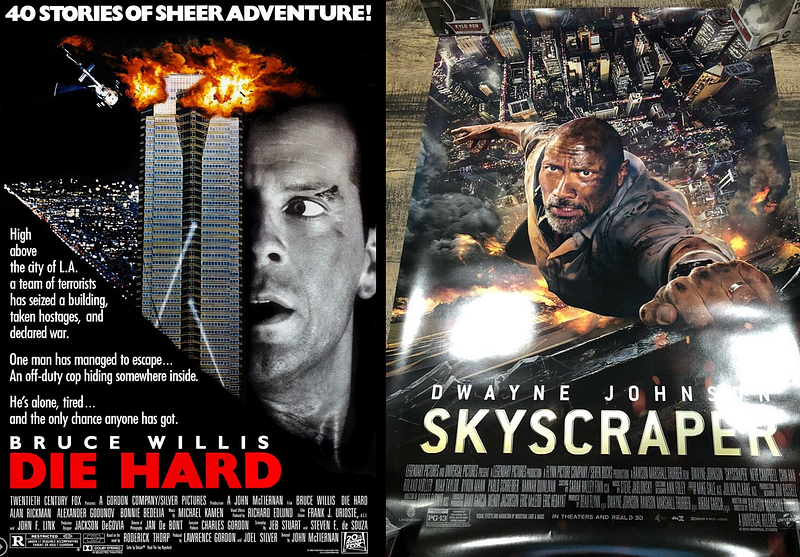
We can even make a project similar but different by moving the location.

An example I gave was Die Hard, which took place in Los Angeles, and Skyscraper, where the action takes place in Hong Kong.
We discussed how some writers may be disinclined to engage in this type of process seeing it as a cheap form of creativity. I acknowledged how it’s not for everybody, each writer needs to be true to their own creative sensibilities. The fact remains that this approach has been a part of the film and TV business since just about Day One. Take, for example, one of the most important films in American cinema history: The Great Train Robbery (1903):
It was such a success, the studio produced a parody sequel: The Little Train Robbery (1905). Same plot only it features a little train and child actors.
I stressed the point that no one is forcing a writer to embrace recycling ideas. That’s fine. But believe me, there are Hollywood writers who do focus their attention on generating similar but different story concepts … and they make good money doing it.
For those, however, who would prefer a more creative way of coming up with story ideas, there are these two powerful words: What if…

What if Peter Pan grew up? That inspiration led to the movie Hook.
What if Shakespeare had writer’s block? That led to Shakespeare in Love.
What if I somehow had gone to school with their father? That was the seeds of what became Back to the Future.
How about when Steven Spielberg was on the set of Close Encounters of the Third Kind and he mused, “What if an alien got left behind?” That became E.T.: The Extra-Terrestrial.
After that deep dive into ways to generate story concepts, we considered this question: How to assess your story concepts?

I provided five questions they should ask to help determine the viability of any story idea.

Does the concept have some sort of hook which immediately grabs a listener’s attention?

Does the concept provide the listener with a sense of where the plot and character relationships could be headed?

Does the concept suggest who the story’s primary targeted audience is? Believe me, this is a huge consideration with studio execs because of the important role marketing plays in creating awareness about the project.
Does the concept have enough heft to it to sustain 90+ pages? Does it feel like a movie?

I then stressed this point: A viable story concept must resonate with the writer. They must have some emotional connection to the material. This is especially true of a spec script. If someone is paying you to write a project, that’s one thing. But if you’re investing your own sweat equity in a script project and you don’t have a strong resonance with the story, that script is not only going to be hard to write, it will almost assuredly not be very good.
I wrapped up this part of the presentation by making this pitch: As opposed to chasing after high concepts, instead, seek to come up with and write spec scripts which feature strong story concepts. This takes into account all of the above referenced considerations, not just commercial viability, but also personal connection to the story.
Of course, then you have to write the script. That requires you craft compelling characters and exhibit a strong narrative voice. But those are subjects for another time.
I hope this helps you to generate strong story ideas you are passionate about. Good luck!