How to Use a Long Commute to Work on Your Story
“Talk out your story. Record your words. Transfer to your computer. You can get a LOT done that way.”

“Talk out your story. Record your words. Transfer to your computer. You can get a LOT done that way.”
Long commutes are GREAT for writing. You’re trapped in an isolated environment for hours at a time. If you can pry yourself away from your cellphone and silence your satellite radio, it’s not only possible to be creative while on the road, you can be productive as well.
All you need is something to record your voice… and a long stretch of road.
Three decades ago when I was working on the spec script K-9, I made a living — such as it was! — doing stand-up comedy. I worked in clubs in Northern and Southern California, so would drive on I-5 or the 101, 5–7 hour stretches between gigs. That’s where I broke the story for the script, developed characters, brainstormed scenes, came up with dialogue, and the rest, talking out loud into a clunky handheld cassette recorder.
Then when I’d land in Berkeley where I was living at the time, I’d schedule a week off between gigs to do actual page-writing.
First, I’d transcribe what I had come up with on tape. That was a laborious process, but the transition from recording to handwritten notes on yellow legal pad was a key part of the story-crafting process as it would give me more ideas and allow me to start to see the shape of the story.
I worked up an outline, then hit the road again, talking through the story over and over into my tape recorder, thinking and rethinking the narrative, characters, various beats, and so on. Then back home to revise the outline.
Eventually, I shifted over to my wife’s Apple IIc computer (with 5 1/4 inch floppy discs each of which could hold approximately 20 pages of scripted content). Several drafts later, the script hit Hollywood and ended up selling to Universal Pictures, later made into a movie starring James Belushi.
Those many road trips I took were an indispensable part of writing process.
With that as background, here are some tips:
- Use a Voice Memo app on your smart phone. You can sync those recordings with your computer, title, and organize them.
- Set a timer for at least 1 hour during which time you do nothing but work on your story. No radio. No phone calls. Go into your story and engage its characters.
- Don’t pre-edit your spoken words. As they used to say back in the say, “Let it all hang out.” Part of this is about getting in touch with that part of your consciousness which is more subconscious in nature.
- Get curious about your characters. You can use your voice memo app to brainstorm backstory. Get into the head space of a character and ‘listen’ to them do a monologue (you talking on their behalf). Anything to help make your characters come alive in your imagination.
- Embrace the iterative process of telling the story again and again. If your mind starts to drift in one section, maybe you need to come up with a new story element which is more entertaining. But more generally, the point is for you to know your story better and more deeply with each telling of it.
Obviously, since you are driving, there is a safety concern. I never let my mind wander into a story universe when I’m in heavy traffic areas, however if you’ve ever driven on the Highway 5 in Central California, that’s precisely the type road suited for this type of work. While not deserted, there isn’t a lot of traffic, it’s two lanes with infrequent on and off ramps, so minimal merging car issues, it’s flat and it’s straight.
Finally this: There’s something about being on the road which, I find, lends itself to reflection. If you’re driving alone, there’s really not much more to do than think. Why not put that thinking to use working on stories?
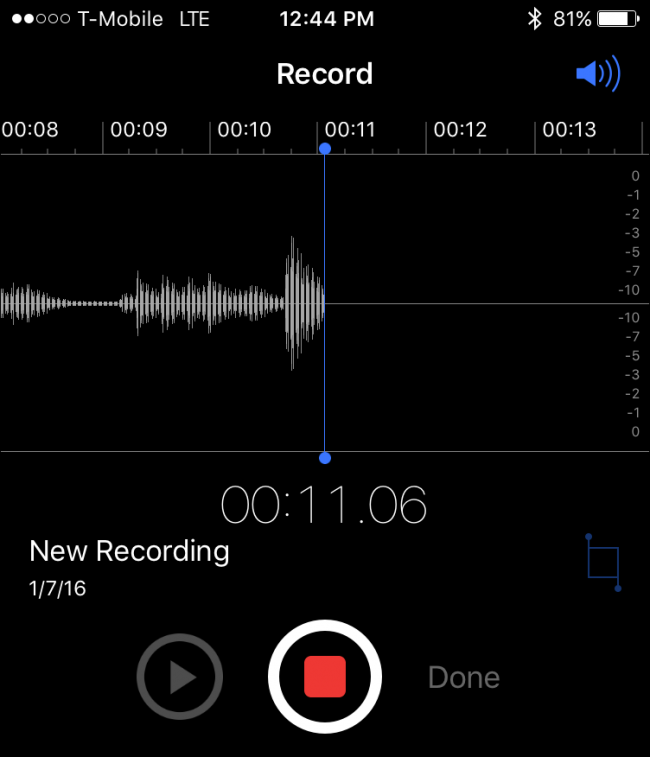
Talk out your story. Record your words. Transfer to your computer. You can get a LOT done that way.
Anybody have suggestions on how to make long commutes creatively productive? Please click on RESPONSE and share your thoughts.