Great Scene: “Arrival”
How the 2016 science fiction movie uses a bookend to reveal a remarkable truth… and upend our understanding of time.

How the 2016 science fiction movie uses a bookend to reveal a remarkable truth… and upend our understanding of time.
In literary terms, a bookend is a narrative device in which the ending of the story reflects back on the beginning of the story, often down to specific shared details. The intended impact on the audience can vary, but can cause a shift in their perspective as to the meaning of the story.
Such is the case in the 2016 movie Arrival, a complex, yet beautiful story about time, destiny, and ultimately… love.
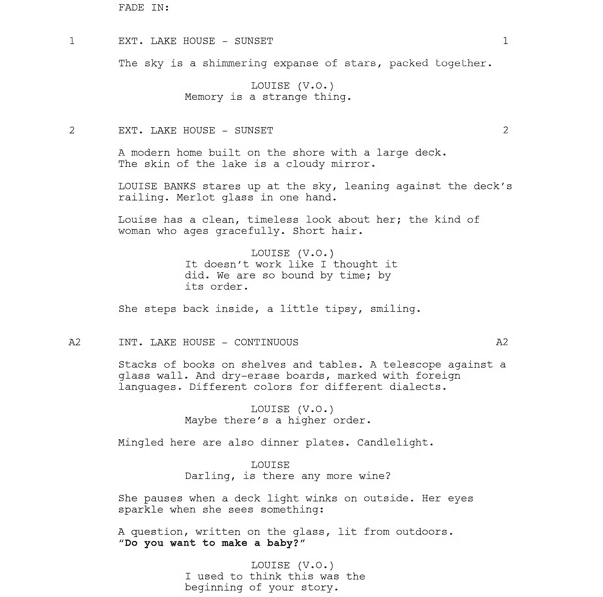
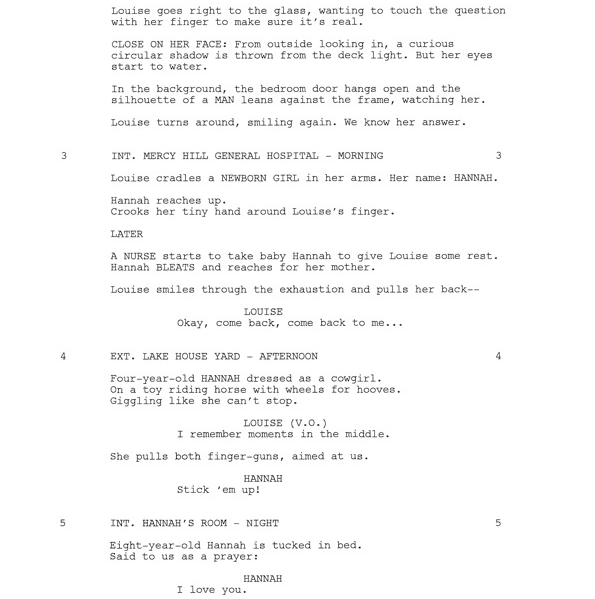
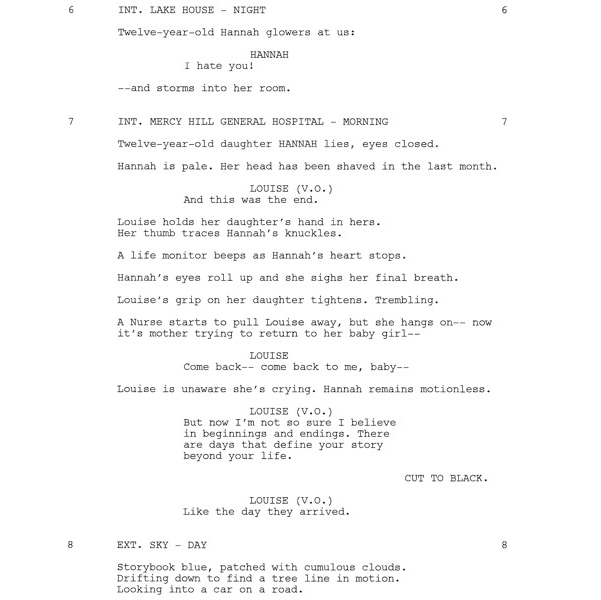
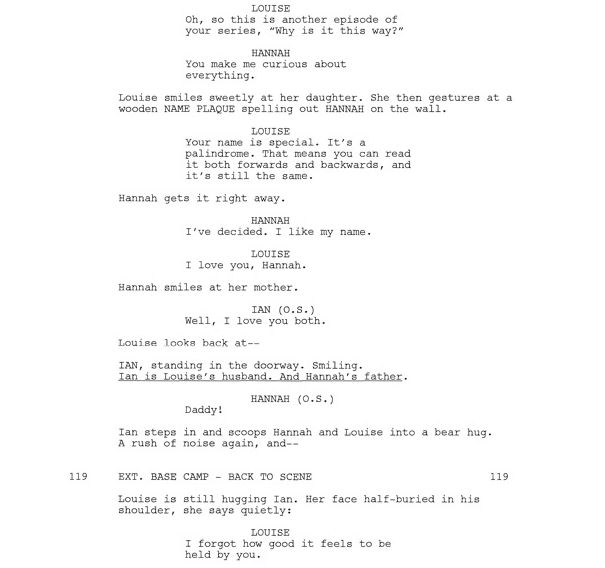
Here are the beginning pages of the script written by Eric Heisserer, based on a short story by Ted Chiang.
Here is the movie version of the opening:
This establishes one narrative: The birth, life, and death of Hannah. We experience it as the Protagonist (Louise) does: a tragedy.
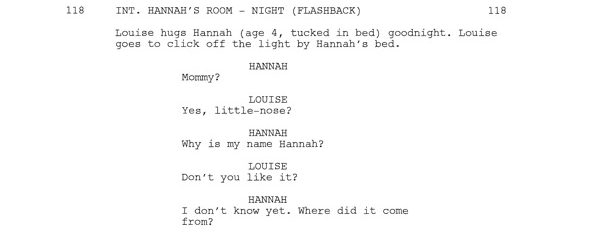
Here is the scripted version of the ending, this after the aliens have left.

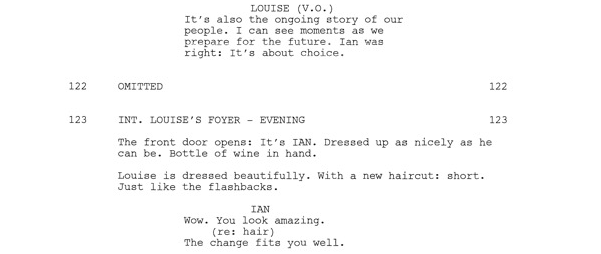
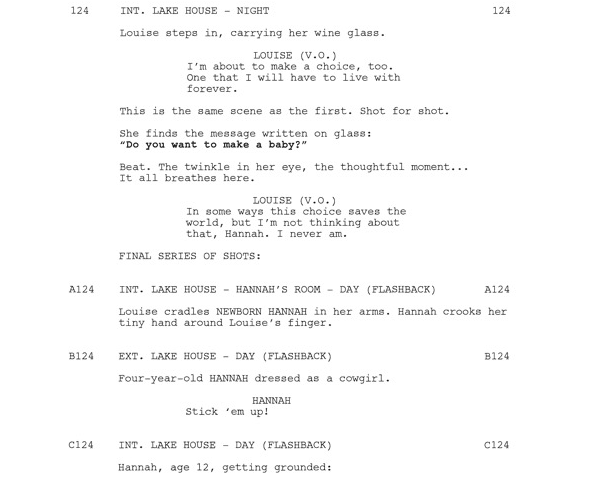
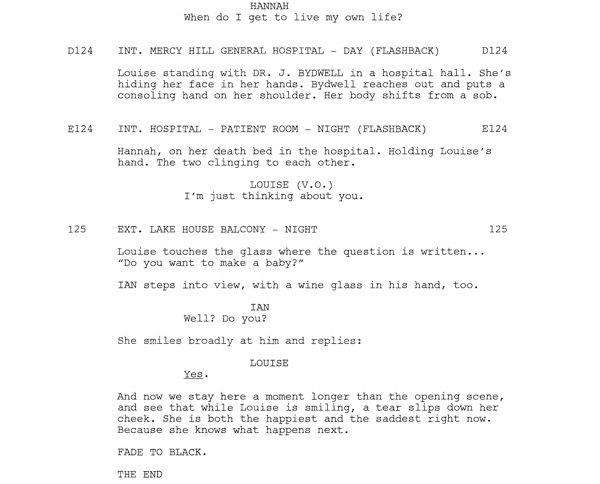
Here is the movie version of the ending:
In this iteration of Hannah’s life, since Louise has been gifted an experience of time by the aliens, where past and future fold in on each other in the present, when she says “Yes,” the final words in the movie, her affirmation to “make a baby” is made with the foreknowledge that Hannah is going to die.
This bookend alters our perception of the opening. Yes, it’s still tragic. But it is a life as a parent in which Louise says: “I welcome every minute of it.”
There are quite a few changes in the dialogue of the ending which really drive home this point. All in all, a wonderful use of a bookend in storytelling.
For more Great Scene articles, go here.