“Each scene must be a drama in itself”
This advice from silent movie era screenwriter Jeanie Macpherson still resonates today.
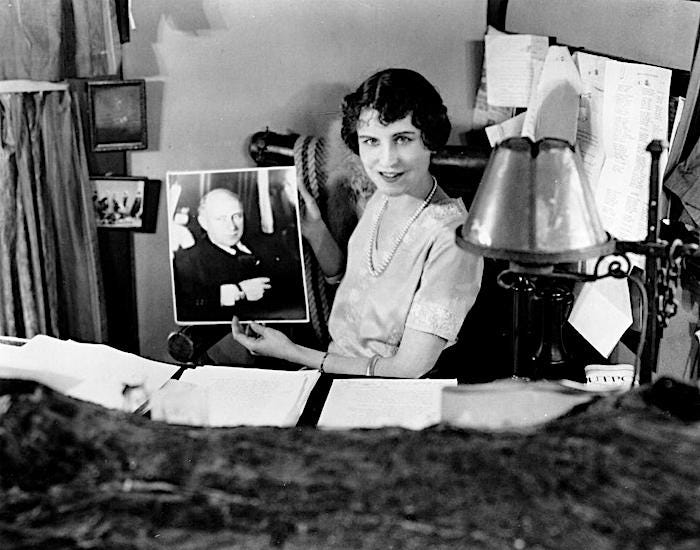
This advice from silent movie era screenwriter Jeanie Macpherson still resonates today.
Here is a golden oldie from screenwriter Jeanie Macpherson, actor and screenwriter from the silent movie era who had over 200 movie credits.
“Each scene must be a drama in itself. The whole picture must be made up of a series of small dramas. This makes the completed picture a mosaic of little ones. Scenes that have no dramatic value in them, or say nothing, must be eliminated. So the scenario writer must bear in mind at all times not what he can put into a picture, but what he can leave out.”
Let’s parse those words. We have a series of imperatives:
1. Each scene must be a drama in itself: Every scene has got to have something going on which makes it compelling to read.
2. The whole picture must be made up of a series of small dramas. This makes the completed picture a mosaic of little ones: Scenes act as building blocks to create a whole narrative, but as Macpherson points out, it’s more than architecture. Scenes must have interactions with characters which mean something on an emotional and psychological level.
3. Scenes that have no dramatic value in them, or say nothing, must be eliminated: See above.
4. So the scenario writer must bear in mind at all times not what he can put into a picture, but what he can leave out: This is a really interesting point. Oftentimes, it’s more important what we choose to omit in a scene than what we include. Minimum Words. Maximum Impact. That is the essence of screenwriting.
This really is the Grand Slam of scene-writing advice.
As you write your first draft, you may grind out some scenes that are imperfect. That’s okay. Just. Keep. Writing. But honestly assess the scene and make a note about its problematic nature, flagging it for the rewrite.
Meanwhile as you forge ahead, be mindful of this point:
“Each scene must be a drama in itself.”