Character Type: Visionary
“They can see into the future… or think they can. They perceive possibilities when others see only walls. Often the power of their…
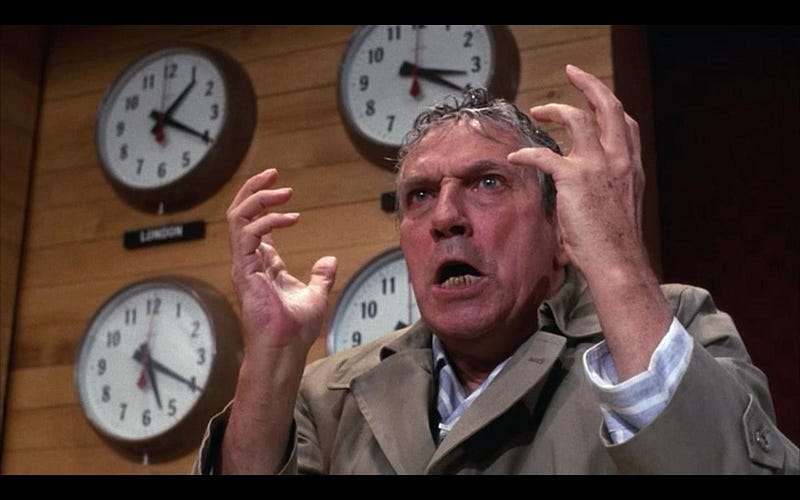
“They can see into the future… or think they can. They perceive possibilities when others see only walls. Often the power of their perceptions are matched by their zeal.”
Those of you who have followed my blog for some time or taken courses with me through Screenwriting Master Class know how fascinated I am with character archetypes, specifically how there are five — Protagonist, Nemesis, Attractor, Mentor, Trickster — which recur in movies over and over and over.
Some might see archetypes as a sort of reductionist approach to writing when in my experience, it is precisely the opposite.
By working with these five Primary Character Archetypes, we can identify the core narrative function of every key character, then use that knowledge as a guide as we build them out in a limitless number of ways.
One approach is to use an extensive array of Character Types available to us. So this month, I am running a series in which we will explore 20 Character Types, and consider how writers can use them to create unique, compelling figures in our stories.
Today: Visionary.
They can see into the future… or think they can. They perceive possibilities when others see only walls. Often the power of their perceptions are matched by their zeal. These are Visionaries and they represent a character type we see often in movies.
There are actual seers such as Oracle in The Matrix (1999) and Blind Seer in O Brother, Where Are Thou? (2000) who can peel back the veneer of the present and peer into the truth of what is to be.
There are prophets consumed by their fantasy of the future such as Dr. Emett Brown in Back to the Future (1985) and Howard Beale in Network (1976).
There are the Visionary types in the arena of business like Tucker in Tucker: The Man and His Dream (1988) and Steve Jobs in Jobs (2013).

There are other business Visionaries who genius and insight is aimed toward financial gain… even to the point of illegality like Henry Gondorff in The Sting (1973) and Jordan Belfort in The Wolf of Wall Street (2014).

Then there are Visionaries whose world views are scarred by their psychosis such as John Nash in A Beautiful Mind (2001) and Maximillian Cohen in Pi (1998).

The Visionary can be a compelling figure precisely because of what they see and how they articulate their perception of reality… notwithstanding whether that vision is correct or not.
What brainstorming can you do with a Visionary?
Once again it’s easy to think of this character type slotting into the role of a Protagonist, however it’s also a natural fit for a Mentor. But how much fun to be Trickster like Zorba in Zorba the Greek (1964).
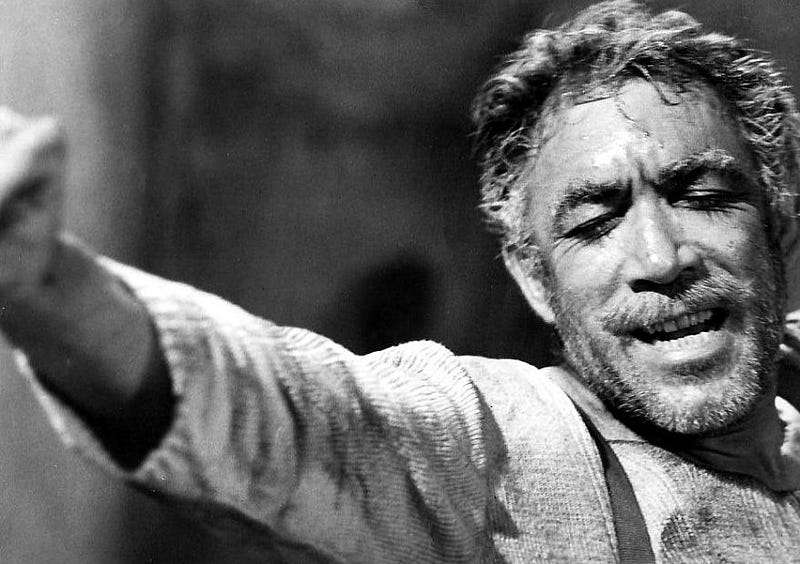
Or a Nemesis as with Tyler Durden in Fight Club (1999).

What are your favorite movie Visionaries?
I hope you have enjoyed this series. You can mix and match each of these character types with any of the primary character archetypes: Protagonist, Nemesis, Attractor, Mentor, Trickster. A great way to engender brainstorming.
For more Character Type articles, go here.