Character Type: Innocent
“Perhaps this is because their innocent view of the world is an ‘enchanted’ one, seeing beauty and wonder all around them. The journey puts…
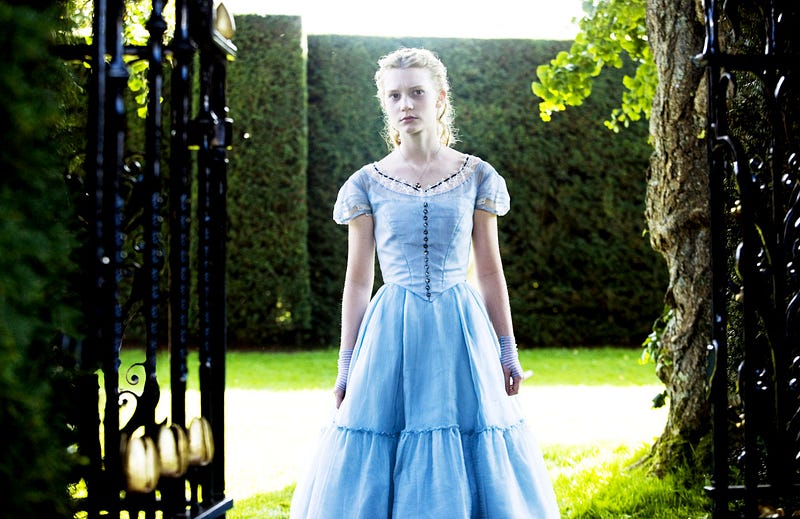
“Perhaps this is because their innocent view of the world is an ‘enchanted’ one, seeing beauty and wonder all around them. The journey puts their innocence to the test: Will they be able to retain that essence as they gain their experience — or will they lose it?”
Those of you who have followed my blog for some time or taken courses with me through Screenwriting Master Class know how fascinated I am with character archetypes, specifically how there are five — Protagonist, Nemesis, Attractor, Mentor, Trickster — which recur in movies over and over and over.
Some might see archetypes as a sort of reductionist approach to writing when in my experience, it is precisely the opposite.
By working with these five Primary Character Archetypes, we can identify the core narrative function of every key character, then use that knowledge as a guide as we build them out in a limitless number of ways.
One approach is to use an extensive array of Character Types available to us. So this month, I am running a series in which we will explore 20 Character Types, and consider how writers can use them to create unique, compelling figures in our stories.
Today: Innocent.
One of the most common narrative themes is innocence to experience, so there are plenty of stories where a character starts off in more or less of an innocent state. But a true Innocent presents a character existing in a heightened state of purity. Their innocence can derive from the fact they are a child like Scout in To Kill a Mockingbird or Alice in Alice in Wonderland, not having much in the way of life experience.
Their innocence can be based on having led a sheltered life such as Princess Anne in Roman Holiday:

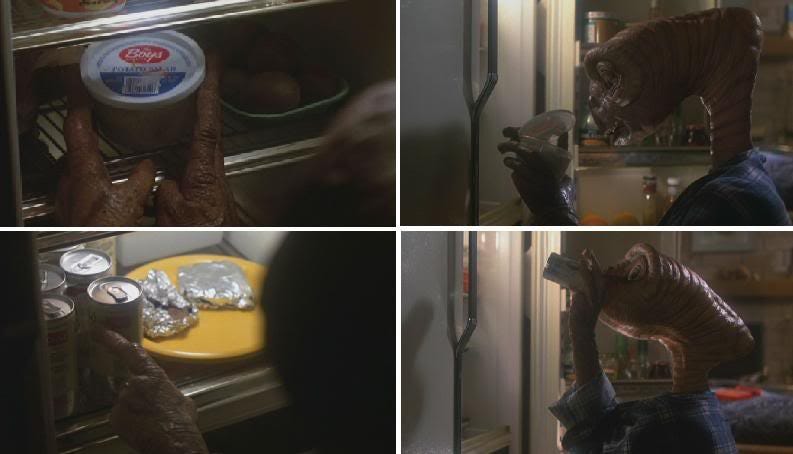
Their innocence can arise from them suddenly being thrust into an environment completely new to them such as E.T. in E.T. the Extra-Terrestrial:
There are several appeals for a writer working with an Innocent. First, it is easy to establish a sense of sympathy for them because once they venture on their journey into the New World, they are immediately put into an underdog role, causing readers to worry about them, everything from their basic safety to the big question of how in the world will they achieve their goal.
Additionally, it can be a compelling and entertaining ride to go along with an Innocent as they experience one new thing after another, sharing in their fears and joys, mistakes and learning.
Finally, as the Innocent becomes more experienced, we are witness to their emergence as an active participant in the world as the process of metamorphosis, psychological and emotional, is perhaps most visibly noticeable in such characters precisely because they begin in such a guileless state.
While children oftentimes fill these roles, there have been some notable adult Innocents such as Forrest Gump in Forrest Gump and Chance in Being There:
As with Chance, Alice, and E.T., there is often a kind of magical quality to the Innocent’s journey, almost as if a sort of fable. Perhaps this is because their innocent view of the world is an ‘enchanted’ one, seeing beauty and wonder all around them. The journey puts their innocence to the test: Will they be able to retain that essence as they gain their experience — or will they lose it?
What brainstorming can you do with an Innocent character type?
Do you have a character in your story who goes through an innocence to experience journey? If so, is there a way to begin them in an even more advanced state of purity, either through youth, sheltered living or a Fish Out Of Water?
What lessons do they learn along the way? What lessons do they bequeath upon or inspire in others?
As a character building exercise, imagine a Mentor as an Innocent, perhaps imbued with some supernatural insight into macro events, but lacking in experience in mundane matters.
How about a Trickster whose innocence gets the character into trouble through sheer lack of knowledge about local customs or laws?
It would be intriguing to play around with a Nemesis as Innocent. Maybe the Powers That Be have kept this figure locked up to retain his/her purity, but instead of morality, the purity within the character is a malevolent one. I mean if the Devil were raised in seclusion, how would the character know if s/he was evil, no experience of goodness against which to measure his/her being. What would happen if Innocent Evil were suddenly unleashed on the world?
What other Innocent character types can you think of in movies? Why do you think they make for such compelling figures?
For other Character Types, go here.