Character Type: Companion
“Often Companions are staunch allies to the Protagonist exhibiting loyalty, tenacity and unselfishness.”
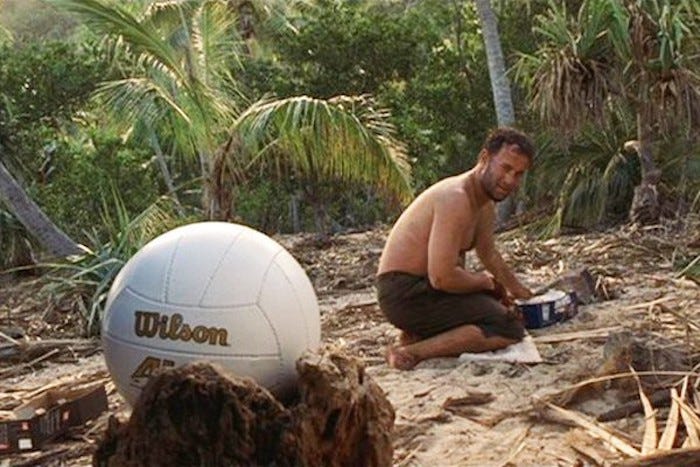
“Often Companions are staunch allies to the Protagonist exhibiting loyalty, tenacity and unselfishness.”
Those of you who have followed my blog for some time or taken courses with me through Screenwriting Master Class know how fascinated I am with character archetypes, specifically how there are five — Protagonist, Nemesis, Attractor, Mentor, Trickster — which recur in movies over and over and over.
Some might see archetypes as a sort of reductionist approach to writing when in my experience, it is precisely the opposite.
By working with these five Primary Character Archetypes, we can identify the core narrative function of every key character, then use that knowledge as a guide as we build them out in a limitless number of ways.
One approach is to use an extensive array of Character Types available to us. Therefore, I am running a series in which we will explore 20 Character Types, and consider how writers can use them to create unique, compelling figures in our stories.
Today: Companion.
The Companion character type is one of the most common figures in movies. We can begin our analysis with this most basic reason for their existence: A main character, most often the Protagonist, will need someone to talk to. Think about it. How can we know about a character’s Inner Self? Through their actions, yes, but largely through their dialogue. A Companion provides a natural object to which a particular character may express their feelings, thoughts, ideas, and so forth. A perfect example of this is Wilson from the 2000 movies Cast Away.
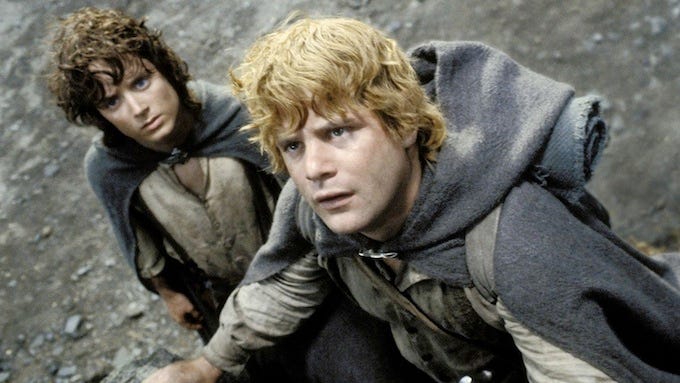
Obviously, Companions can be much more than a listening ear. Often they are staunch allies to the Protagonist exhibiting loyalty, tenacity and unselfishness. Examples of this type of Companion include Chewbaca from Star Wars, Timon and Pumba from the 1994 movie The Lion King, and Samwise ‘Sam’ Gamgee (Sean Astin) from The Lord of the Rings trilogy.
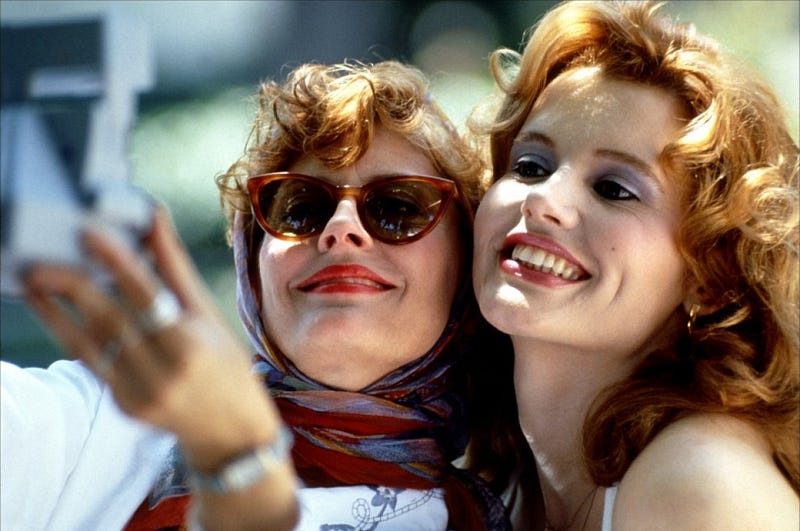
Sometimes Companions provide such mutual levels of friendship and emotional support, they exist within a narrative as co-equals such as Romy (Mira Sorvino) and Michelle (Lisa Kudrow) from the 1997 comedy omy and Michele’s High School Reunion, Brennan (Will Ferrell) and Dale (John C. Reilly) from the 2008 movie Step Brothers, and Thelma (Geena Davis) and Louise (Susan Sarandon) from the 1991 movie Thelma & Louise.
On occasion, a Companion is a Trickster, switching from ally to enemy, enemy to ally, their function to test a Protagonist. Examples include Dr. Emmett Brown (Christopher Lloyd) in the 1985 movie Back to the Future, Jonathan Mardukas (Charles Grodin) in the 1988 film Midnight Run, and Leo Getz (Joe Pesci) from the 1992 movie Lethal Weapon 2.
Whatever their personality or narrative function, a Companion character type goes along for the ride, and can be a major source of entertainment like this furry guy:
What brainstorming can you do with a Companion?
Here again is a character type that can work with any primary archetype: Co-Protagonist, Nemesis, Attractor, Mentor, Trickster.
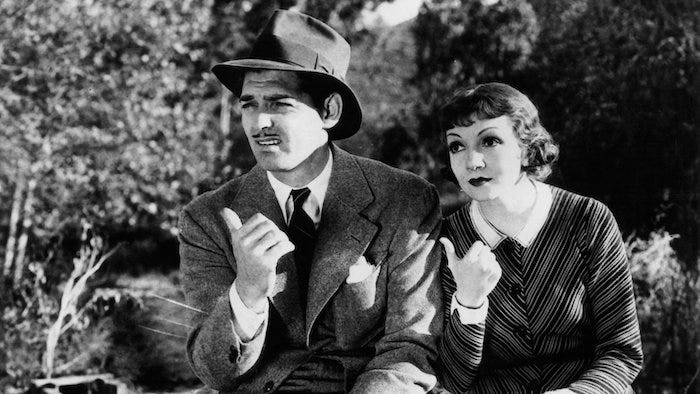
You want instant conflict? How about if you handcuff together your Protagonist and your Nemesis, then put them on the road, companions at each others’ throats. You want romance? Work with an Attractor figure like Ellie (Claudette Colbert) in the 1932 movie It Happened One Night.
When thinking about a Companion, ask yourself: What can this character bring to the mix the Protagonist can’t? How can they aid the Protagonist on their journey or create stumbling blocks? What entertainment value can they bring to the narrative?
What other notable Companion character types in movies can you suggest?
For more Character Type articles, go here.