Character Development for Writing TV
Writing episodic television is its own unique thing and different in many respects to feature-writing. However, when it comes to character…
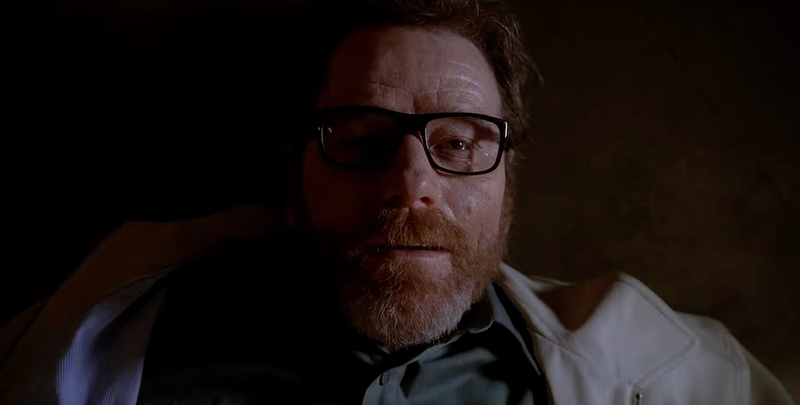
Writing episodic television is its own unique thing and different in many respects to feature-writing. However, when it comes to character development, they are very similar.
I have just started teaching my Core III: Character course, a one-week online class and we’ve already gotten off to a great start. One of the class members asked a question which raised the subject of writing for television as compared to writing feature films, specifically the length of a character’s transformation arc. Here is my response.
As you know, there are some TV series where characters do not change or very little. For example, The Simpsons. But because Story is rooted in exploring how people change, most television series do feature characters who go through some sort of personal transformation.
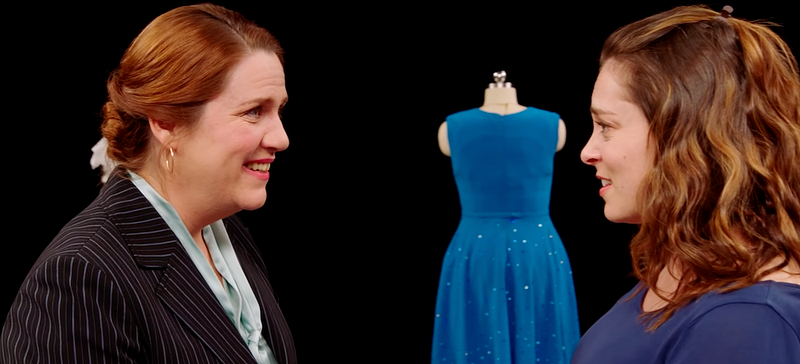
As you suggest, this happens over a longer period of time. In my book The Protagonist’s Journey, I explore this dynamic with a number of TV series characters, including Walter White in Breaking Bad and Rebecca Bunch in Crazy Ex-Girlfriend (I spend part of four chapters in Part I of the book tracking their respective arcs through four stages: Disunity, Deconstruction, Reconstruction, Unity).
There are also TV series which feature Protagonists who go through a negative arc such as Vic Mackey in The Shield. We’re actually seeing one happen right now, albeit not with a Protagonist and that is the Nate character in Ted Lasso.
— Season 1: Nathan advises Ted on English football to the point where he provides a formation on the pitch (the False 9) which succeeds, thus, enabling AFC Richmond to be promoted to the EPL. Archetype: MENTOR.
— Season 2: Nathan becomes jealous that Ted is getting such positive press when he (Nathan) believes that he (Nathan) is responsible for most of it, his strategy, his understanding of the sport. Nathan becomes embittered at Ted, who he once saw as a friend, to the point where Nathan starts slipping gossip about Ted to the tabloids. Archetype: TRICKSTER.
— Season 3: Even though the season hasn’t yet begun, we have a clear idea of what archetype Nathan will be with the final image of S2.
Now appointed manager of West Ham, a rival to AFC Richmond, Nathan will become … NEMESIS.
This is one of the most valuable aspects of using character archetypes when developing and/or writing a TV series. From season to season, you can explore different aspects of any character as they “switch” archetype functions. Hearkening back to Breaking Bad, Walt’s wife Skyler went through every single character archetype: Nemesis, Mentor, Attractor, Trickster, even Co-Protagonist at one point (when she aligned herself entirely with Walt’s criminal enterprise).
When my undergraduate and graduate students develop an original TV series, I have them write not only a pilot script, but also a detailed series bible which tracks potential arcs for different characters. They do the same character development work as I detail in Part III of my book as those working on feature film projects, only they are thinking about the long-term arc of the characters, especially the Protagonist. And by the way, at least some of the Disunity elements they discover about their Protagonist in this work need to be represented in the pilot script because the audience needs to know what the psychological hook of the series is.
Finally, there is the subject of limited TV series. While I know some TV people bristle at this perspective, in my view they play like a long movie. Series like The Queen’s Gambit, DEVS, Station Eleven, Mare of Easttown, True Detective (S1), Sharp Objects all feature characters — most notably the Protagonist — who go through a character transformation and most always a Unity arc.
Bottom line, my approach to TV writing and similar to feature writing: Immerse yourself in the lives of your characters. Pay particular attention to the Protagonist, especially their deepest Need (what I call their Unconscious Goal). Learn as much as you can about their Disunity state at the beginning as that will inform where they end up psychologically and eventually in terms of the plot. Work through the stages of transformation — if it’s a Unity arc, think:
Disunity → Deconstruction → Reconstruction → Unity
For a movie, that process takes 90–120 pages.
For TV, it’s however many episodes the series runs. Knowing that end point of the Protagonist and their psychological journey is the path toward creating an inevitable, but satisfying resolution to the story. Just like this: LINK. [Spoiler alert if you haven’t seen the finale of Breaking Bad].
We can continue to discuss the subject of writing TV vs. features this week and in the teleconference on Sunday. It’s different. But in terms of character development, I think it’s very, very similar.
Begin with character.
End with character.
Find the story — and the series — in between.
It’s not too late to join my Core III: Character class.
My book The Protagonist’s Journey: An Introduction to Character-Driven Screenwriting and Storytelling is an Amazon #1 Best Seller in Film and Television. Endorsed by over thirty professional screenwriters, novelists, and academics, you may purchase it here.