Character Archetype “Masks”
Any character can don the “mask” of any archetype in any scene or any relationship, but that does not change their primary archetype…
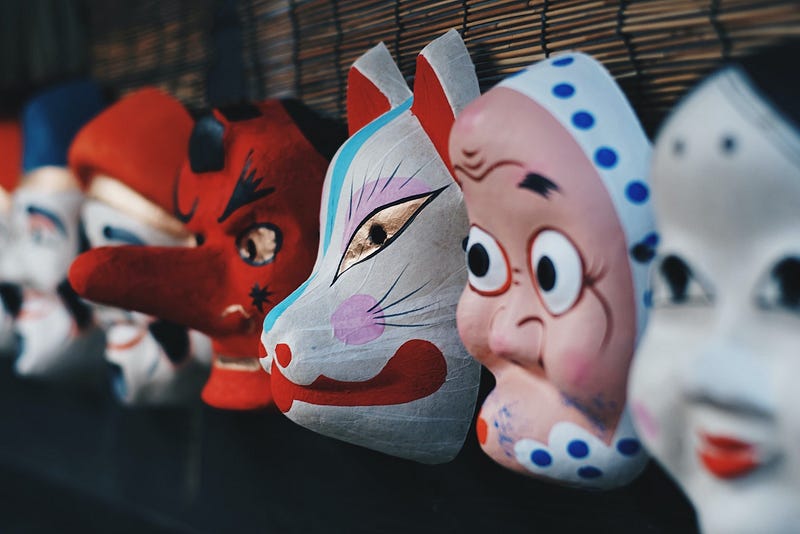
Any character can don the “mask” of any archetype in any scene or any relationship, but that does not change their primary archetype function.
Over the years, I have become fascinated by character archetypes as they relate to movie and TV series. Five occur over and over again:
Protagonist: Central character, forward moving energy toward a goal
Nemesis: Opposition to the Protagonist’s goal
Attractor: Most connected with the Protagonist’s emotional growth
Mentor: Most connected with the Protagonist’s intellectual growth
Trickster: Tests the Protagonist’s will — switching ally/enemy, enemy/ally
One interesting dynamic: Any character can don the “mask” of any archetype in any scene or any relationship, but that does not change their primary archetype function.
This extends to the Protagonist. For example:
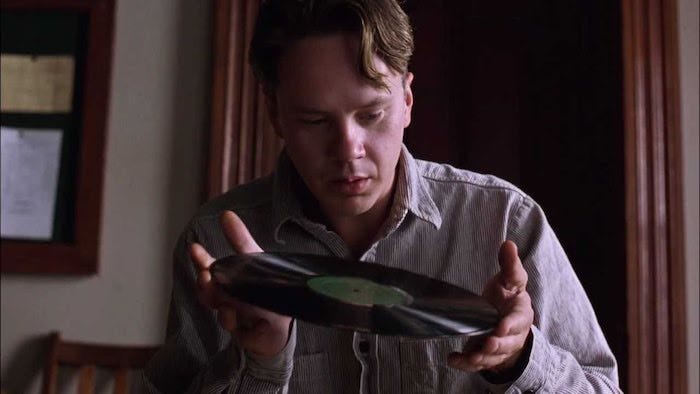
- In The Shawshank Redemption, when Andy plays the Mozart duet over the prison P.A. system, he dons the attractor mask because he is doing something to arouse the emotional life of his fellow inmates.
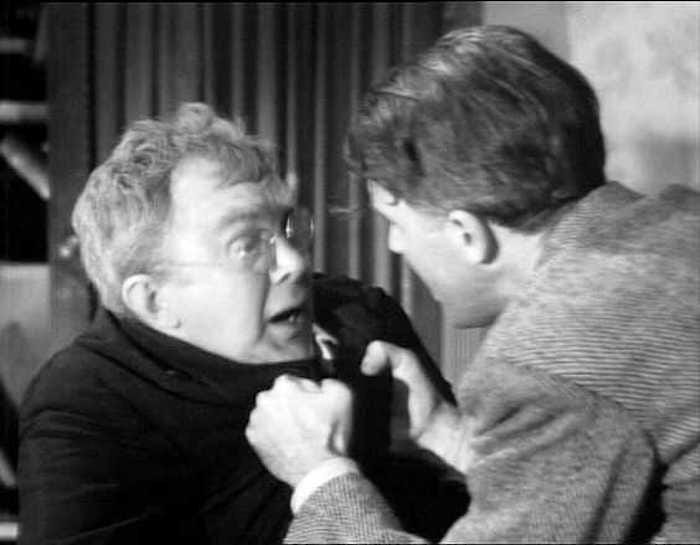
- When George Bailey accosts Uncle Billy about the missing $8K in It’s a Wonderful Life, he dons the nemesis mask in order to confront the old man.
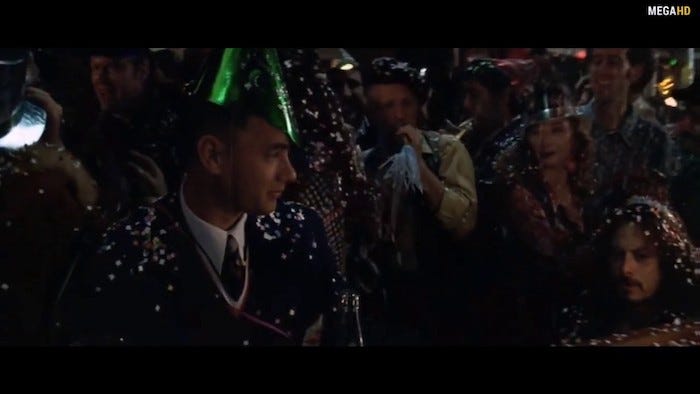
- In Forrest Gump, when Forrest spends New Year’s Eve with Lieutenant Dan, he dons the mentor mask in an attempt to help Dan through a dark night of the soul.
- In Casablanca, when Rick uses the letters of transit to secure the freedom of Ilsa and Laszlo, he dons the trickster mask by acting selflessly.
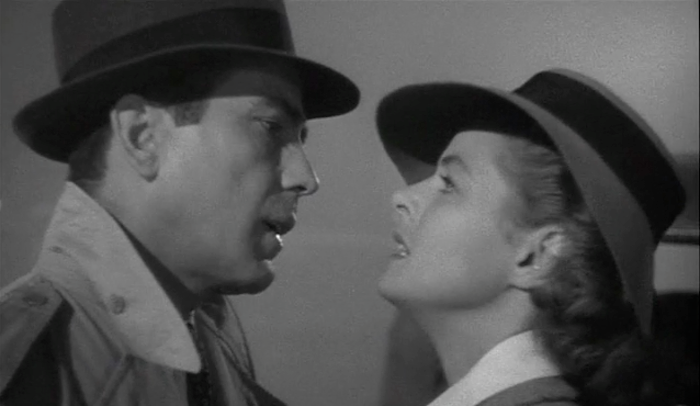
In each of these cases, the Protagonist is the Protagonist. The character’s primary function does not change. However, they adopt the function of another archetype by donning their “mask” in order to facilitate their specific near-term goal.
One big plus of using character archetype masks: We can explore characters to depth and the various aspects of their psyche.