Black List writers on the craft: Story Prep (Part 1)
“I’ll consume everything from biographies and memoirs to archival news clipping and documentaries. It’s about mastering a field of study…
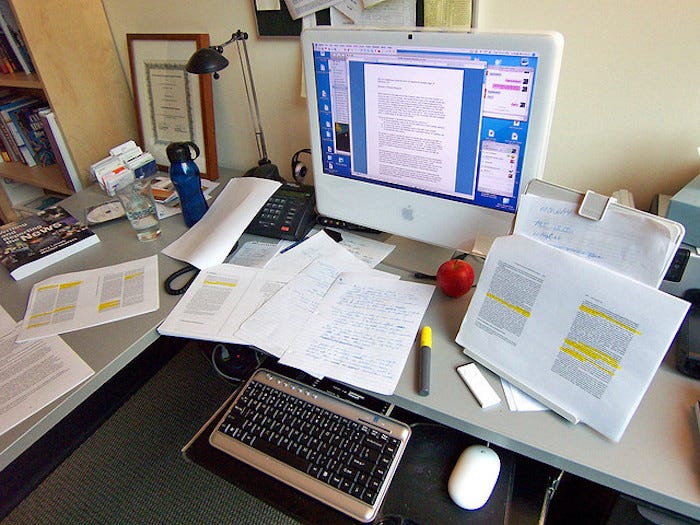
“I’ll consume everything from biographies and memoirs to archival news clipping and documentaries. It’s about mastering a field of study, so that you can write with confidence and verisimilitude.”
Over the years, I have interviewed 50+ Black List screenwriters. Over the next four weeks, I am running a series featuring one topic per week related to the craft of writing.
This week: What aspects of story prep do you devote the most time and focus to?
I often say this: There’s no right way to write. Every writer is different. Every story is different. Going through these interviews, I doubt there is an area of the story-crafting process where this statement is more apt than in relation to story prep. As we will see this week, there is a big divide between Black List writers who embrace working up a comprehensive outline and those who take a considerably less formalized approach.
Today let’s consider what some writers had to say about what is a key starting point for many of them: Research:
Stephany Folsom: “I’m really methodical in how I write. I do a ton of research up front.”
Stephanie Shannon: “For ‘Queen of Hearts,’… I researched for about two months. I researched the whole time, but I didn’t start writing, just purely researched, for about two months.”
David Guggenheim: “As far as research, I do as much as I can to make sure I have a working knowledge of the world I’m writing, but if I’m feeling inspired, I’ll do the research as I go or sometimes after I get a draft down.”
Will Simmons: “I try to become an expert on whatever subject I’m writing about. It’s a fun part of the process. I’ll consume everything from biographies and memoirs to archival news clipping and documentaries. It’s about mastering a field of study, so that you can write with confidence and verisimilitude. After you’ve thoroughly researched a topic, the writing becomes second nature.”
Chris Roessner: “I love research intensive things. I think I have somewhat of a journalistic approach, at least from the outset. But I try to limit myself on how much time I’m going to spend doing research, because it’s one of those things that can be arresting. It can prevent you from sitting down and writing. So for me, I spend however much time researching as I think the particular project merits.”
Justin Kremer: “I’m heavy on research. I spend as much time researching as I do outlining, normally a couple weeks for each. ‘McCarthy’ was particularly heavy on that front, because I had to figure out exactly what time period I was trying to tackle. To figure that out, you have to know exactly where Joe was in each part of his life and what best encapsulates McCarthy’s arc as a character. I had legal pads full of notes, creating a timeline of Joe’s life and trying to figure out what was most suitable for adaptation. It’s so clear when you’re reading scripts what’s well researched and what has had less thought put into it. The scripts that tend to amaze me are so detail‑oriented. It can be the littlest detail that grounds me in the world of the piece.”
Some takeaways:
- In part, research is about being able to “write with confidence”. Readers can detect that. They need to trust the writer knows their way around their story universe.
- In that vein, research can help a writer achieve a sense of “verisimilitude” in their script pages. What transpires — everything from settings, customs, dialects, and more — has to feel real to a reader.
- Research can also enable the writer to immerse themselves in the story universe, making it come alive in the writer’s imagination. That sense of connection can get translated onto the page.
- By extension, if a writer does enough research so they really know that story universe, they can surface the “littlest detail” that “grounds” the reader in the story.
- However a cautionary note: A writer may get caught up in research which can “prevent you from sitting down and writing.” So be cognizant of that during the research phase.
Speaking of which, every writer I’ve interviewed who has discussed research has talked about it as something they do in the front end of the prep process — except one:
Aaron Guzikowski: “I don’t do a hell of a lot of research. I usually research after I’ve written the script to make sure I haven’t gotten anything too terribly wrong.”
For some writers, it’s possible research may get in the way of their creative instincts. But even then, it’s important to do due diligence at some point, even after a draft, to make sure what you’ve written passes the authenticity test.
Do you do much research for your stories? If so, what type of research do you focus on? What resources do you use? If you have some thoughts on the matter, please head to comments.
Tomorrow and for the rest of this week, we will learn how other Black List writers I have interviewed approach story prep. It’s a fascinating look at a key part of the story-crafting process. I look forward to exploring the subject with you.